
 Add as preferred on Google
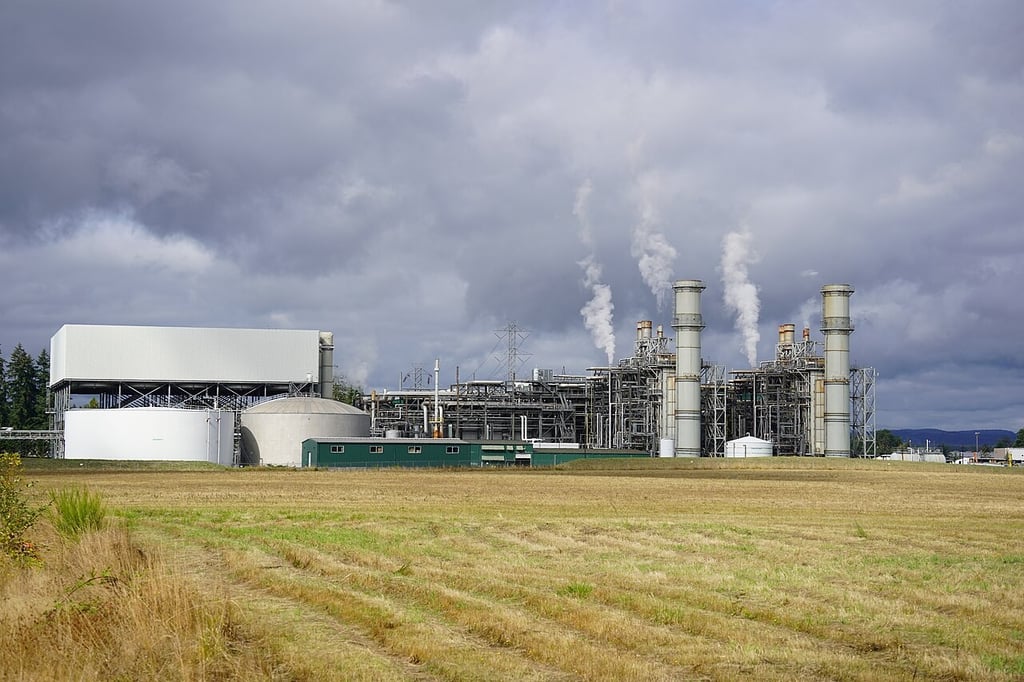
A renewed debate has emerged as Oregon electricity customers face the possibility that they could pay the costs associated with Washington’s climate regulations, after an Oregon Court of Appeals ruling sent the issue back to state regulators.
Oregon Regulators Reconsider Whether Pacific Power Customers Can Be Charged Washington Climate Costs
The Oregon Public Utility Commission (PUC) case concerns costs incurred by PacifiCorp, which operates as Pacific Power in Oregon, to comply with Washington’s Climate Commitment Act (CCA).
The costs relate to electricity generated at the company’s natural gas power plant in Chehalis, Washington, and delivered to Oregon customers.
Those costs were previously excluded from Oregon electricity rates by the PUC. The issue was sent back to the Commission for further consideration after the Court of Appeals reversed the exclusion on August 12, 2026.
Washington-Only Allowances vs. the Cost of Generating Oregon’s Electricity
Washington’s Climate Commitment Act requires greenhouse gas emissions allowances to be retired for emissions from generators within the state, including electricity exported to customers elsewhere.
But PacifiCorp receives no-cost allowances from Washington’s Department of Ecology, which directed the company to allocate those allowances to Washington retail customers.
PacifiCorp says compliance costs associated with the CCA should be allocated across the states that benefit from the electricity generation, and this includes Oregon.
The PUC’s original decision rejected that approach, saying that the existence of costs benefiting Oregon customers didn’t automatically justify charging them for Washington’s climate-compliance expenses.
Appeal Requires Another Review of Fair Rates, With Next Procedural Deadline November 30
The Court of Appeals found that the Chehalis plant had been acquired long before the Climate Commitment Act was enacted and therefore could not be considered acquired in accordance with the legislation.
The court concluded that the PUC had misinterpreted the multistate cost-allocation protocol. Because the PUC thought it was following that protocol, it had not addressed whether departing from its allocation provisions was necessary to achieve fair and reasonable rates. The PUC must now consider that question.
The Oregon PUC directed the parties to confer and submit a proposed briefing schedule by 3 p.m. on November 30, 2026.
If they cannot agree, they must submit separate proposed schedules or request a procedural conference by the same deadline.




Be the first to comment.