
 Add as preferred on Google
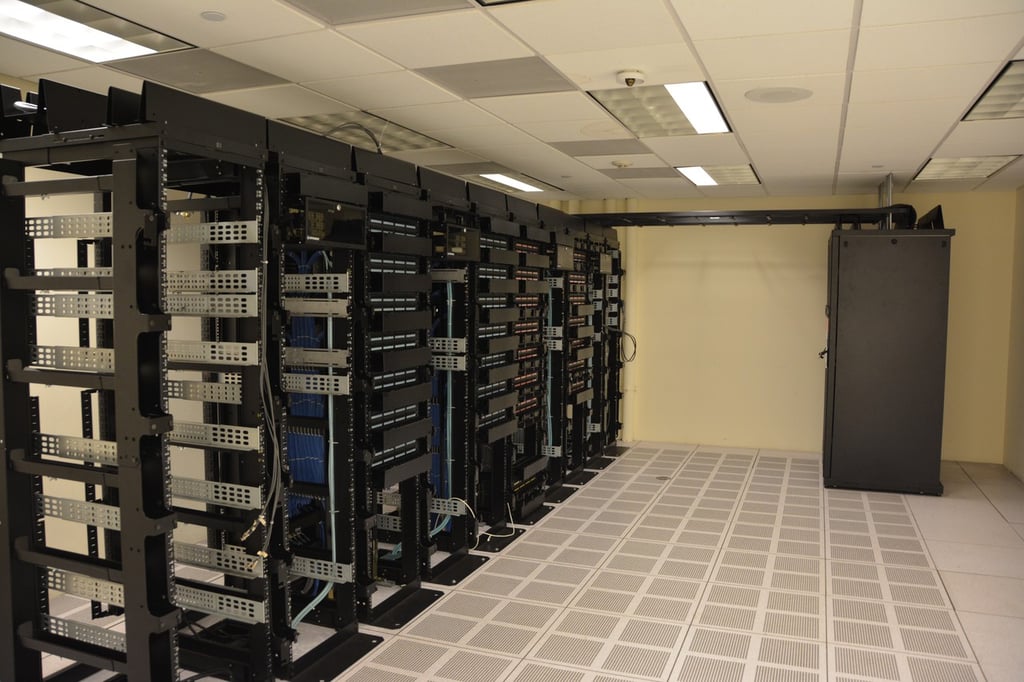
With the cost of supplying large data centers with power increasingly extending beyond the actual facilities, Oregon approved new rules for Pacific Power on Friday, November 13, in an effort to stop those costs from landing on ordinary household electricity bills.
Pacific Power’s New Data Center Rate Structure Starts January 1
Oregon’s Public Utility Commission (PUC) approved a new tariff framework for Pacific Power, and the utility will have to submit revised tariffs by November 24. The new arrangements will take effect on January 1, 2027.
The new tariff aligns with House Bill 3546, aka the POWER Act. Under the Act, electricity providers must allocate the costs of serving large data centers directly to those facilities instead of spreading them across other customer groups.
The new customer class covers qualifying facilities that use or can use at least 20 megawatts and provide computing infrastructure, data processing, web hosting or related services.
Tidings Data Snapshot
Pacific Power’s New Data Center RequirementsOregon / approved November 13, 2026| Requirement | Threshold or term |
|---|---|
| Computing-facility load threshold | 20 MW or more |
| Contract term, including ramp-up | 10–30 years |
| Community charge for covered facilities over 100 MW | 1 cent per kWh |
| Revised tariffs due | November 24, 2026 |
| Effective date | January 1, 2027 |
Schedule 401 covers qualifying new large energy-use facilities in Pacific Power’s Oregon territory. Contract history and new utility investment affect which existing facilities qualify.
Source: Oregon PUC / Order 26-443DailyTidings.com
Covered Data Centers Face 10-Year Contracts and Fees When They Leave
Under the new arrangement, covered data centers will have to sign electricity supply agreements for at least 10 years, with a maximum term of 30 years, including any ramp-up period. The commitments are intended to provide greater certainty around the long-term costs of supplying electricity to energy-intensive data centers.
The new rules also include exit fees to recover infrastructure costs should a data center leave its agreement early. These fees are intended to recover actual costs left behind, rather than impose an additional financial penalty.
The real test will be whether the money and financial safeguards are still adequate if and when a major data center closes or its operator becomes insolvent, or if the economics of the industry change.
Largest Covered Facilities to Pay Extra to Support Low-Income Homes
A contribution towards assistance for low-income households is also included under the new rules. Covered big energy-use facilities with capacity over 100 megawatts will pay an additional charge of one cent per kilowatt-hour.
The money raised will support energy-efficiency programs, essential home repairs, and distributed energy resources for low-income customers in Pacific Power’s Oregon service area.
The administration of these funds must still be addressed in a separate regulatory proceeding.




Be the first to comment.