
 Add as preferred on Google
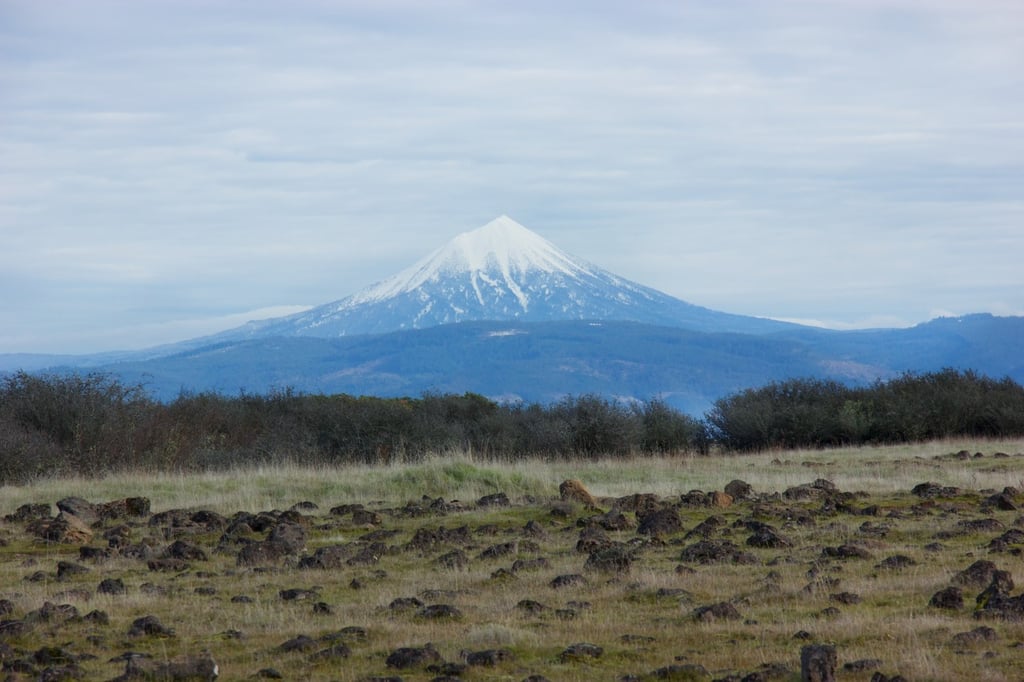
A cloud-seeding proposal from a California company to increase winter rainfall and mountain snowpack in four Southern Oregon counties has triggered questions from residents about potential environmental impacts and how the operation would be monitored.
Rainmaker Seeks Permission for Cloud Seeding in Southern Oregon
California-based Rainmaker Technology Corporation has applied to the Oregon Department of Agriculture for permission to conduct a winter cloud-seeding program affecting parts of Jackson, Josephine, Douglas and Klamath counties as part of a research and development project.
The operation would use autonomous drones and manned aircraft to release silver iodide and an organic ice-nucleating agent into viable clouds between November 2026 and May 2027.
Tidings Data Snapshot
Rainmaker’s Proposed Operating FootprintApplication notice / operations would require approval| Detail | Proposed scope |
|---|---|
| Flight target area | About 1,640 square miles in Jackson, Josephine and Douglas counties |
| Potential downwind area | Up to 50 miles east/southeast, also including Klamath County |
| Operating period | November 2026 through May 2027 |
| Aircraft | Unmanned quadcopters and a crewed King Air C90A |
The four-county potential affected area is broader than the three-county flight target area. These are proposed boundaries, not a forecast of how much rain or snow would fall.
Source: Rainmaker application / Oregon Department of Agriculture public-hearing noticeDailyTidings.com
Residents Raise Environmental and Oversight Concerns
Cloud seeding uses particles such as silver iodide to encourage ice-crystal formation, potentially increasing precipitation when the right cloud conditions are present.
But residents at a November 10 public hearing in Medford questioned whether silver iodide could accumulate in watersheds, agricultural soils and livestock, and also raised concerns about the lack of independent environmental oversight.
Rainmaker representative John Seibels cited the use of modern technology, limited quantities of seeding material and safety measures to defend the company’s approach.
The company says the proposed program would use autonomous quadcopters with manned aircraft to release silver iodide and an organic ice-nucleating agent into clouds.
Under Oregon’s weather-modification law, the Department of Agriculture must act on the license within 30 days.
Its decision must take account of the applicant’s qualifications, the potential benefits to water, energy or agricultural resources, and whether the proposed operation could endanger public health or safety.
Rainmaker says a license would only be the first step, with further regulatory approvals required before flights can begin.
Federal Assessments Find Potential Benefits and Limits in the Evidence
A December 2024 assessment by the U.S. Government Accountability Office found that estimates of additional precipitation in cloud-seeding studies reviewed ranged from zero to 20%.
But researchers face difficulties measuring the effects because results depend heavily on cloud conditions and other environmental factors.
The GAO said researchers have found little evidence of health or environmental harm from silver iodide at current levels of use. What happens if cloud seeding becomes more widespread is less clear.
A separate GAO report published in February 2026 also identified weaknesses in NOAA’s weather-modification reporting system, including incomplete and inconsistent submissions.




Be the first to comment.