
 Add as preferred on Google
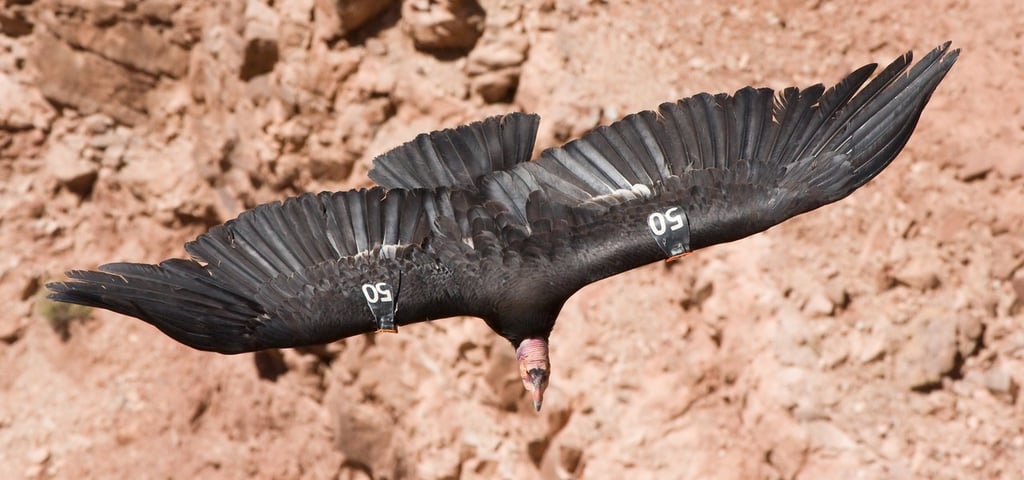
Bird lovers had reason to celebrate earlier this year when a California condor, a two-year-old female known as B9, soared back into Oregon skies for the first time in more than a century.
The sighting marked a milestone in the recovery of one of North America’s most endangered birds, with seven more young condors now joining the growing flock in Northern California.
Seven Young Condors Strengthen Northern California Recovery Effort
The seven birds were introduced into Yurok Country as part of the Northern California Condor Restoration Program, a partnership between the Yurok Tribe and Redwood National and State Parks.
One of the young condors marked a milestone for the San Diego Zoo Safari Park, becoming its 200th bird introduced into native habitats.
This was also the first time condors that hatched at the Safari Park had been released at the Yurok Country site. The newcomers join 26 condors already living in the area, where the first releases took place in 2022.
But the achievement actually reflects more than four decades of conservation work. When San Diego Zoo Wildlife Alliance began its California condor recovery program in 1982, only 22 birds remained worldwide.
Today, the population has grown to more than 600, with over half living in native habitats. The federal recovery program’s annual census provides a regional picture from before the latest releases.
Tidings Data Snapshot
Where Wild California Condors LiveWild populations as of December 31, 2025These 392 wild birds were counted before the 2026 releases. The Pacific Northwest flock is counted separately from the two California flocks.
Source: U.S. Fish and Wildlife Service / 2025 annual statusDailyTidings.com
Earlier Flight Into Oregon Shows Recovering Condor Flock’s Reach
The recovery effort has also brought condors back to Oregon skies. The return of B9 marked the first return of the species to Oregon in more than a century.
Her round trip from Northern California into Oregon and back in May covered approximately 380 miles, demonstrating the ability of young condors to explore and reclaim territory once occupied by their ancestors.
These enormous scavengers play an important ecological role by feeding on carcasses, including those of marine mammals along the coast and larger wildlife such as elk and bears. Their feeding helps recycle nutrients and reduce potential disease risks.
There are still challenges ahead, however. Lead poisoning remains the biggest threat to wild condors, which can swallow tiny ammunition fragments when feeding on animal carcasses or remains left by hunters.
Power lines also pose a danger, while chicks can accidentally be fed small pieces of rubbish known as microtrash.






Be the first to comment.