
 Add as preferred on Google
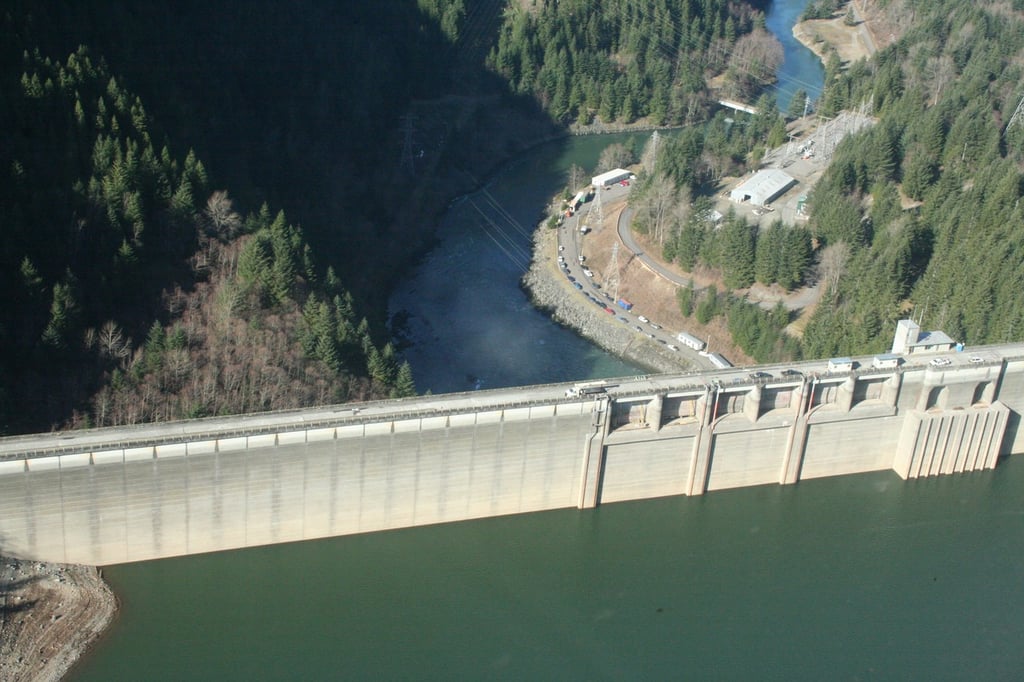
MARION COUNTY, Ore. — A federal judge refused this week to block the U.S. Army Corps of Engineers from lowering Detroit Lake this autumn, despite concerns that the operation could affect drinking water for approximately 220,000 people in the Salem area.
Marion County has announced plans to appeal the decision to the Ninth Circuit Court of Appeals.
Judge Refuses to Stop Detroit Dam Drawdown as Marion County Announces Appeal
Marion County filed a lawsuit in May, seeking to stop the Detroit Dam drawdown until the Army Corps completed a turbidity report required under federal law and provided an opportunity for public comment.
In a November 4 ruling, U.S. District Judge Mustafa T. Kasubhai denied requests from Marion County and other plaintiffs for a preliminary injunction, noting that there was not enough evidence presented to prove that the drawdown was likely to cause irreparable harm.
The judge said that the plaintiffs had not presented site-specific analysis showing that turbidity, or cloudiness caused by suspended particles, would reach damaging levels for any particular length of time.
The decision did not resolve the underlying lawsuits.
The judge left open renewed requests for an injunction if new Detroit-specific evidence emerges during the 2026 operation or before the planned 2027 drawdown.
Commissioner Colm Willis said the county was disappointed with the ruling, arguing that the operation threatened drinking water, farmers, fish, and communities along the canyon.
The county said it would seek an emergency injunction while its appeal proceeds.
Army Corps Says This Year’s Target Level Has Been Reached Before
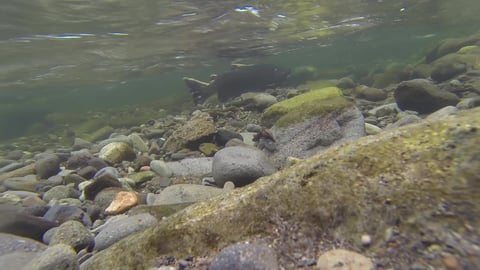
According to the Army Corps, the deeper autumn drawdown will improve the downstream passage of ESA-listed juvenile Chinook salmon, which face risks when travelling through the dam’s turbines.
The Corps plans to lower Detroit Reservoir to an elevation of 1,425 feet in 2026, a level previously reached in 2015 and 2019 without reported impacts on drinking water, under a December 2024 directive from the National Marine Fisheries Service.
Tidings Data Snapshot
Detroit Lake Drawdown TargetsPlanned water-surface elevations| Phase | Target elevation |
|---|---|
| 2026 operation | 1,425 feet |
| Eventual target | 1,395 feet |
These are water-surface elevations. The 2026 plan calls for about two weeks of lowering and two weeks at target, with later steps informed by monitoring and conditions.
Source: U.S. District Court, Oregon / November 4, 2026, Document 86, page 9DailyTidings.com
The Corps says it will monitor downstream water conditions and communicate with drinking-water providers and state officials if measurements indicate that turbid water could affect supplies.
Depending on the findings, it may pause, modify, or stop the operation.
The court noted that the final emergency plan requires a request from the Oregon Governor’s Office or a drinking-water emergency determination before the Corps halts the drawdown.






Be the first to comment.