
 Add as preferred on Google
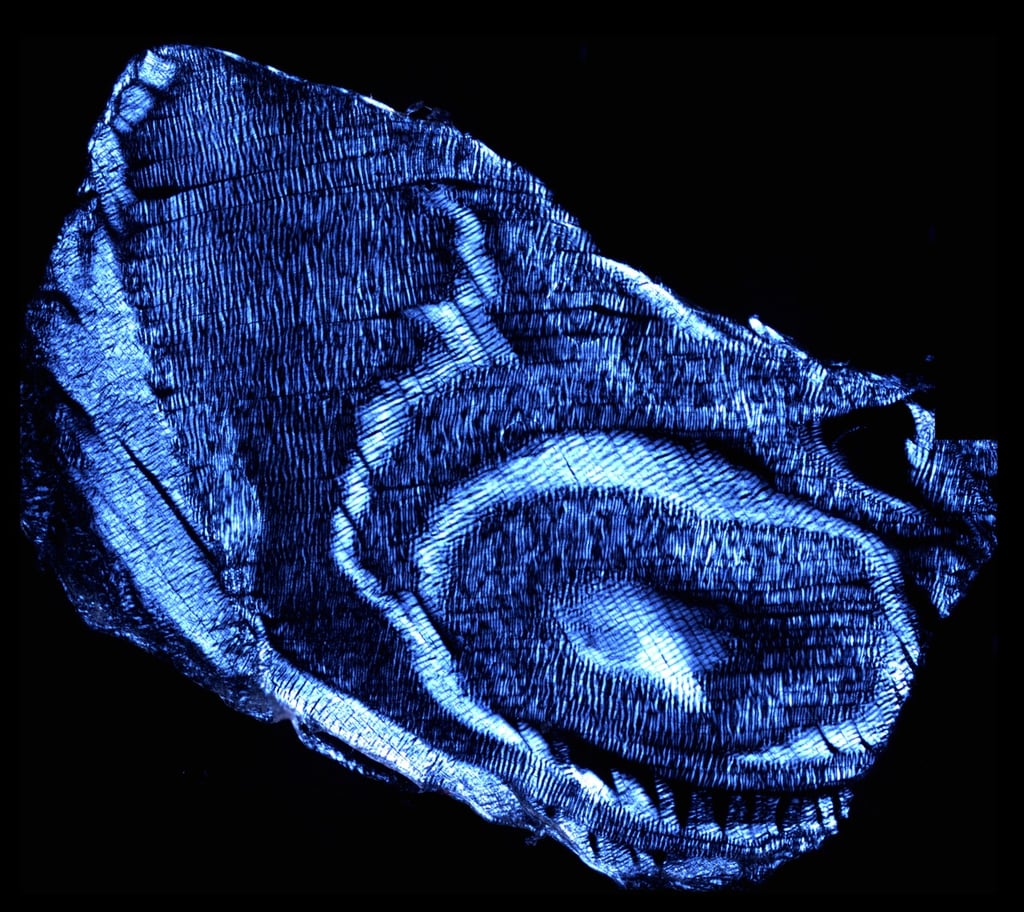
An international research collaboration involving Oregon State University has developed a new way to examine spinal discs in three dimensions, potentially helping scientists understand why they deteriorate and how future treatments might prevent or repair the damage.
Oregon State Researchers Help Map Spinal Disc Mechanics
The spine has 23 intervertebral discs, acting as shock absorbers while allowing people to bend, walk and move. Each disc has a tough outer ring of collagen fibres surrounding a softer, gel-like centre.
Although disc degeneration is a major contributor to back pain, researchers have struggled to understand exactly how mechanical stress causes the structures to fail.
The recent findings by the international collaboration, including researchers from Oregon State University, Queen Mary University of London, University College London, the Royal Veterinary College and the UK’s Diamond Light Source, were published in Nature.
The researchers used a powerful X-ray imaging technique called TomoSAXS to investigate how discs respond to the mechanical forces generated by everyday movements.
New Spinal Disc Examination Technique Could Explain Degeneration
The new approach combines imaging with a technique called fiber-traced digital volume correlation, developed by Oregon State associate professor Brian Bay and University of Manchester researcher Catherine Disney.
It allows scientists to track how individual collagen fibres deform under pressure.
The imaging shows that, even before the spine is put through its everyday movements, the fibres inside spinal discs are already under considerable tension.
That tension gives the discs their strength and could also help explain why they are vulnerable to damage. This is an important step towards understanding what happens as discs age and deteriorate.
Most of the work involved animal samples, but the researchers also used the same technique on a human disc.
For now, the discovery gives scientists a new way to investigate the problem. Better understanding of how damage develops could eventually lead to more effective ways of treating it.








Be the first to comment.