
 Add as preferred on Google
MEDFORD, Ore. — There was no doubt that ICE agents conducted an “unlawful warrantless arrest” of a Medford man in violation of a court-issued preliminary injunction, Judge Mustafa T. Kasubhai found in his written Opinion and Order.
Judge Kasubhai’s finding, issued November 2 in the U.S. District Court for the District of Oregon, also referred to evidence that calls reporting ICE arrests to the Portland Immigrant Rights Coalition increased from 15 in March 2026 to 92 in August.
The judge found H-D-G-H-’s testimony reliable and credible, and that he was the victim of an unlawful warrantless arrest. H-D-G-H- works in the construction industry and has lived in Medford since 2021.
Judge Kasubhai found that evidence provided by an ICE agent was false.
The Man and His Friend Were Followed by ICE Agents for Nearly Half an Hour
According to court documents, H-D-G-H- and a friend bought fishing supplies from Walmart on the morning of July 26, 2026.
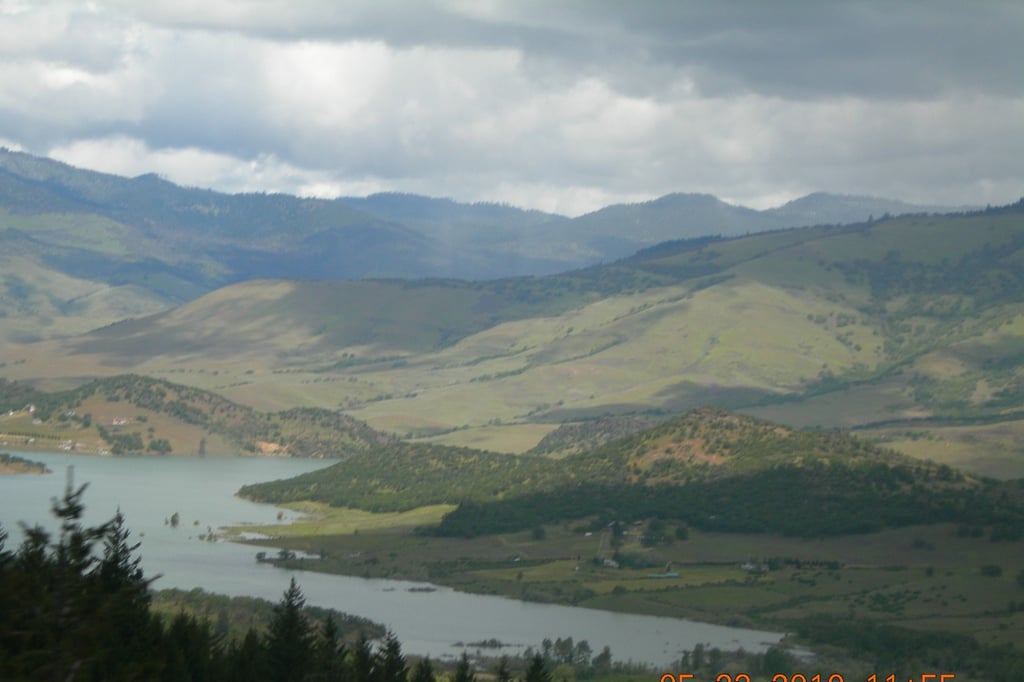
When the two men left for Emigrant Lake near Ashland, they noticed an ICE vehicle, which followed them for nearly half an hour.
On arrival at the lake, the ICE vehicle pulled in front of their car and cut off their path. An ICE officer directed H-D-G-H- to step out of the car and immediately handcuffed him.
H-D-G-H- was not asked for his name or shown any documents before being transported to the Medford ICE Office.
ICE Agents Offered Him Cash in Exchange for Signing Voluntary Deportation Paperwork
Testimony was that ICE agents tried to make H-D-G-H- sign voluntary deportation paperwork in exchange for money, which he refused. He was ultimately released pursuant to a federal judge’s order.
The judge said the evidence clearly established that ICE officers “did not conduct an arrest pursuant to a valid warrant.” He ruled their conduct an unlawful warrantless arrest.
Judge Orders Broader Disclosure of ICE Arrest Records and Footage
On February 4, 2026, the court issued a preliminary injunction enjoining U.S. Immigration and Customs Enforcement from conducting warrantless arrests in the District of Oregon unless officers made the required pre-arrest, probable-cause determination that an individual was likely to escape before a warrant could be obtained.
The November 2 order requires disclosure to the plaintiffs, for compliance reporting, of documents relating to civil immigration arrests in Oregon for every reporting period since the injunction took effect.
It also requires body-worn camera footage for arrests on or after September 1, 2026, or an affirmative statement under oath that no such footage exists.




Be the first to comment.