
 Add as preferred on Google
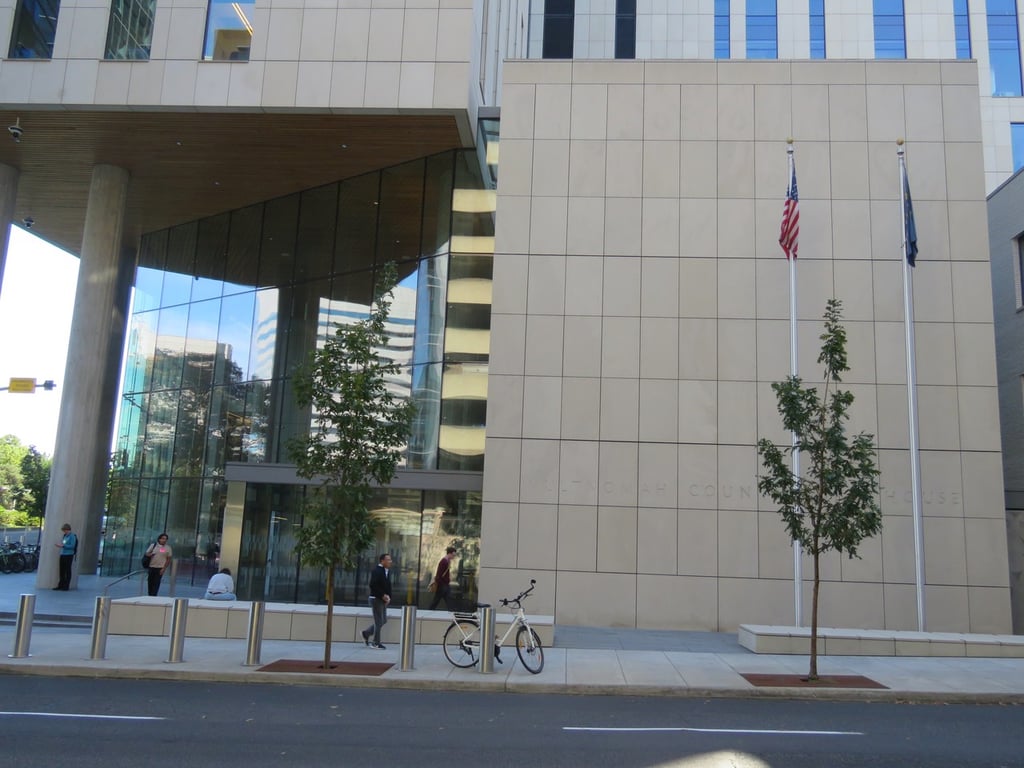
MULTNOMAH COUNTY, Ore. — An Oregon judge rejected most efforts by fossil fuel companies to have a $51 billion climate lawsuit brought by Multnomah County dismissed this week, allowing the case to proceed in state court.
Oregon Judge Rejects Dismissal Efforts and Allows Climate Case to Proceed
In the order signed November 2, Multnomah County Circuit Court Judge Adele J. Ridenour denied all but one of more than 20 dismissal motions filed by oil companies and industry trade associations in the county’s 2023 lawsuit.
The lawsuit seeks to hold the industry accountable for alleged climate deception and its devastating consequences for the county.
Multnomah County alleges that fossil fuel companies knew for decades that burning their products would increase greenhouse gas emissions and warm the planet, but sought to undermine public understanding of climate change instead of disclosing the risks.
According to the complaint, this encouraged greater fossil fuel consumption and contributed to climate-related harms in Oregon, including the devastating 2021 Pacific Northwest heat dome and wildfires.
Multnomah County Alleges Industry Deception Contributed to Oregon’s Heat Dome and Other Climate Harms
Multnomah County is pursuing claims of intentional and negligent public nuisance, negligence, fraud and deceit, and trespass. It seeks more than $51 billion in damages and a future abatement fund, as well as a declaration that the defendants’ alleged conduct was unlawful.
Tidings Data Snapshot
What Multnomah County Asked ForThe $51.55 billion breakdown announced with the 2023 lawsuit- 97.0%Abatement fund / $50 billion
- 2.9%Future damages / $1.5 billion
- 0.1%Actual damages / $50 million
Amounts sought, not awarded. The proposed abatement fund would support planning, infrastructure and public-health protections against future extreme heat. Percentages are rounded.
Source: Multnomah County / Climate Accountability Litigation documentsDailyTidings.com
The defendants argued, among other things, that the claims fell under the federal Clean Air Act as they involved emissions crossing state and national borders.
The judge rejected this argument and noted the difference between the actual emissions and the alleged failure to disclose climate risks.
The court also rejected arguments that the case raised political questions that the defendants argued were unsuitable for judicial resolution.
However, a separate motion by Valero Energy Corp. challenging the court’s jurisdiction was granted without prejudice.
The county’s claims against the other defendants covered by the ruling will proceed, allowing the county’s allegations to be examined as the litigation continues.







Be the first to comment.