
 Add as preferred on Google
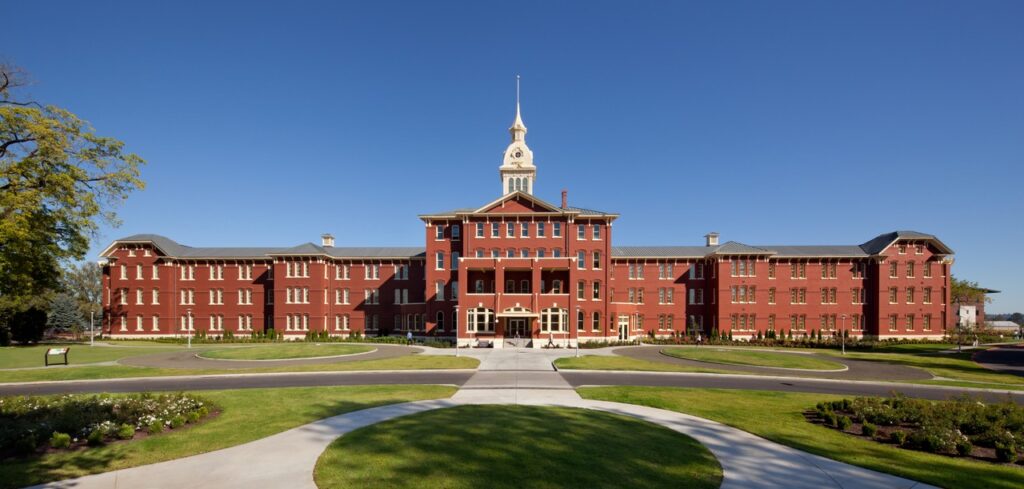
Oregon’s plans to expand residential mental health treatment capacity have fallen well short of earlier projections, with hundreds fewer beds expected to be available than state officials initially forecast.
Oregon’s Treatment-bed Expansion Falls Behind Schedule
In September, the Oregon Health Authority (OHA) revised its projections for new residential treatment beds, extending the timeline for expansion while making only a small increase in the total number expected. Officials had projected in 2025 that the state’s Behavioral Health Investments program would bring 689 new residential treatment beds online by October 2026.
The expansion was supposed to address the persistent problem experienced by people charged with crimes who are considered too mentally ill to stand trial. But the revised projection is now 377, just over half the original target. Many have waited in jail for treatment, prompting court intervention and requirements for the state to improve access.
The updated projection is 312 beds below the earlier forecast.
Tidings Data Snapshot
Oregon’s Treatment Bed Expansion ShortfallBehavioral Health Investments program / October 2026These figures cover the investment program, not all newly licensed beds statewide.
Source: OHA projections reported by Willamette Week / October 21, 2026DailyTidings.com
OHA acknowledged the delays but said the timelines are framed around estimates provided by the private organizations contracted to build and operate the facilities. The agency says Oregon has licensed more than 1,000 new treatment beds since 2023, including beds outside the special investment program. Officials expect that figure to exceed 1,700 by the end of 2028.
Patients Ready to Leave State Hospital Still Face Long Waits for Community Placements
The latest figures also highlight ongoing difficulties moving patients from state hospitals into community-based care. In her September 13 report on the consolidated Mink and Bowman cases, court monitor Debra A. Pinals reported that, as of September 9, 63 people awaiting community placement for restoration services had waited an average of 60.5 days to be discharged.
Another 26 people granted conditional release were waiting for community placements. Discharge coordination and the availability of community support services were noted as ongoing concerns. Pinals said improvements in capacity and the movement of patients through the system were critical.
There has been progress in hospital admissions. By the end of August, the average wait for admission among people ordered to receive restoration services was 2.3 days, with only six people waiting for admission.
The monitor separately reported the hospital’s licensed and active bed capacity.
Tidings Data Snapshot
Oregon State Hospital Bed CapacityHospital campuses / August 1, 2026| Campus | Licensed beds | Active beds |
|---|---|---|
| Salem | 588 | 560 |
| Junction City | 150 | 144 |
| Total | 738 | 704 |
Hospital beds are separate from the community residential beds discussed above. Licensed and active capacity are different measures.
Source: Debra A. Pinals / September 13, 2026 court-monitor report, Table 2DailyTidings.com
The state had admitted most people within the required seven-day period since June 13, following a further remedial order by Judge Adrienne Nelson that limited admissions and reduced extensions. Pinals noted that the order’s longer-term impact remained uncertain, with delays in community placements continuing to present a significant challenge.


Be the first to comment.