
 Add as preferred on Google
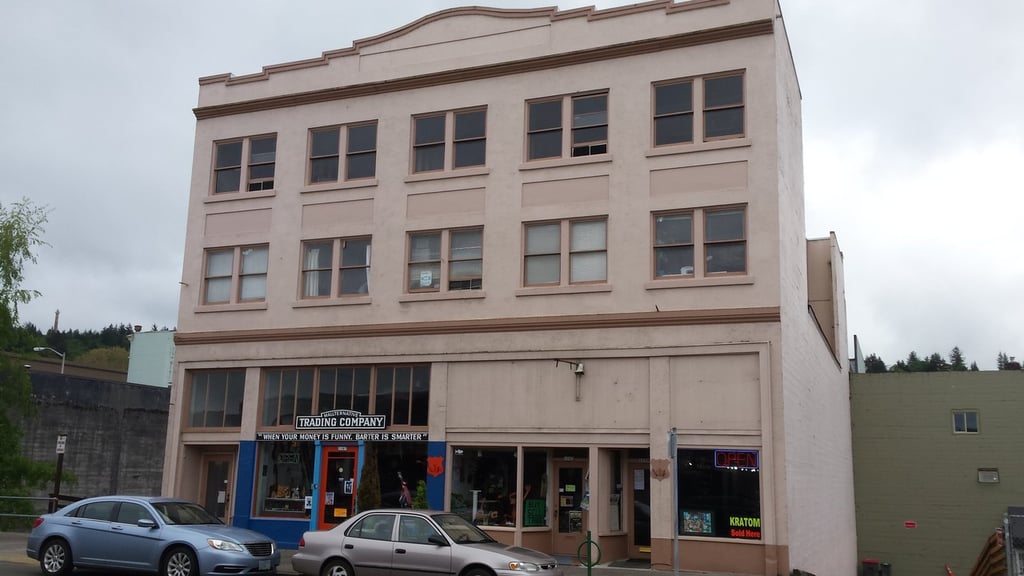
Empty commercial space and vacant school buildings could help ease Oregon’s affordable housing shortage after a court ruling prompted the state’s Bureau of Labor and Industries (BOLI) to reverse its position on prevailing wages for an Astoria conversion project.
BOLI’s earlier determinations were estimated to add a combined $3.35 million to affordable housing projects in Astoria and Salem.
BOLI Rulings Added Costs to Two Building Conversions
In August 2022, BOLI ruled that the Salem development failed to meet the definition of residential construction. The agency upheld its determination before the court appeal.
BOLI’s reversal on November 3 for the Astoria project followed the Oregon Court of Appeals’ September ruling that the agency had misinterpreted the law.
In DEVNW v. BOLI, the court found that lawmakers intended the affordable-housing exemption to apply ‘regardless of whether it uses some materials from a previous building.’
Tidings Data Snapshot
Two Oregon Affordable Housing ConversionsEstimated added costs attributed to prevailing-wage requirements| Project | Homes | Added cost |
|---|---|---|
| Copeland Commons, Astoria | 64 planned | $2.5M |
| Evergreen Apartments, Salem | 17 built | ~$850,000 |
Developer estimates, not court awards. Salem’s estimate is about $50,000 per home. BOLI reversed its Astoria determination November 3; other wage disputes remain.
Source: Project developers, reported by Oregon Journalism Project / 2026DailyTidings.com
The Astoria Development
Known as Copeland Commons, the planned development would convert the vacant four-story State Hotel into 64 units.
BOLI’s decision to reverse its previous ruling removes an estimated $2.5 million in added costs.
Although other wage disputes remain unresolved, the Astoria reversal removes a cost barrier.
The Salem Development
Known as Evergreen Apartments, the Salem project converted an old Presbyterian church and adjacent parsonage into 17 affordable apartments, retaining the church’s foundation, exterior walls and some windows.
According to the developer, BOLI’s prevailing-wage requirement increased the project’s cost by 13%, adding about $50,000 to each apartment.
Interpreting the Prevailing Wage Exemption
Qualifying privately owned residential construction projects that predominantly provide affordable housing are exempt from prevailing-wage requirements. However, in recent years, BOLI had ruled against exemptions for housing developments repurposing old nonresidential buildings.
Asked for comment, BOLI spokeswoman Rachel Mann said the agency’s decision was based on the Court of Appeals ruling.




Be the first to comment.