
 Add as preferred on Google
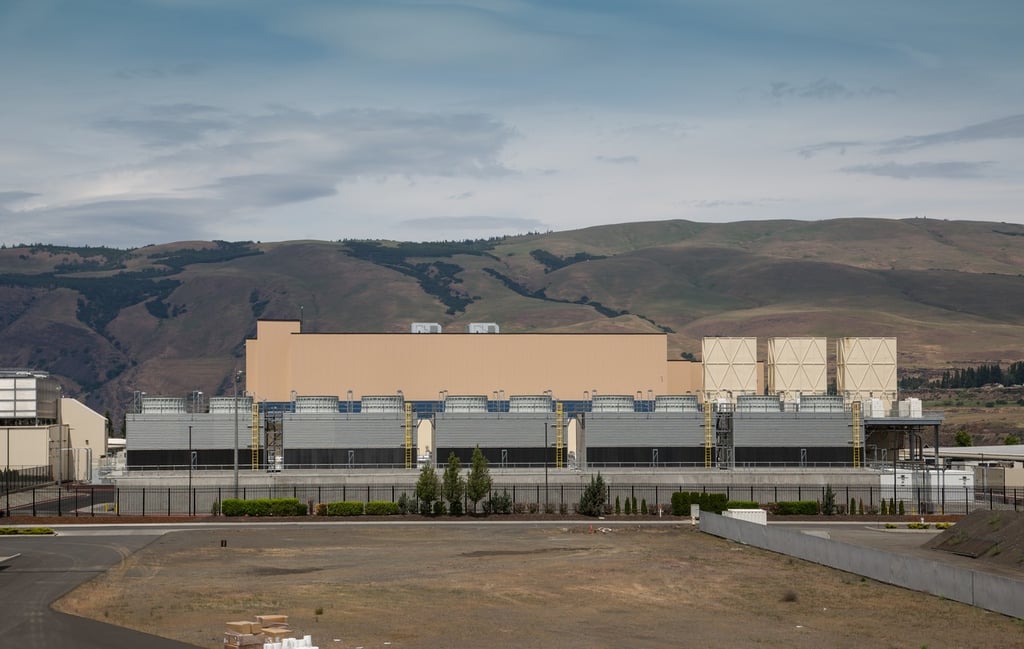
New research from Harvard researchers indicates that Oregon ranks second among U.S. states for electricity consumption by the hyperscale data centers studied, with only Virginia facilities using more power.
Oregon Ranks Behind Only Virginia for Data Center Electricity Consumption
The study, published in Nature Sustainability on November 16, estimated that 56 hyperscale data centers in Oregon used 11.13 terawatt-hours (TWh) of electricity annually under its central reference scenario.
Virginia ranked first, using 21.40 TWh across 142 facilities. Next was Ohio, at 8.84 TWh, while Iowa recorded 7.17 TWh.
Together, the four states accounted for more than half of the electricity consumption estimated in the study.
Tidings Data Snapshot
States Leading Data Center Electricity UseHyperscale facilities in the study, May 2024–April 2025Estimated annual use for the facilities studied, not all data centers in each state. One terawatt-hour equals one billion kilowatt-hours.
Source: Nature Sustainability / supplementary Table S.3.2, central scenarioDailyTidings.com
Across all the facilities studied, estimated annual electricity consumption ranged from 68 to 99 TWh. The upper estimate approaches the amount of electricity some states, including Indiana, Michigan and Tennessee, use in a year.
Researchers Estimate Electricity at 403 Data Centers Across Regional Grids
The researchers used industry records and satellite imagery to identify and validate 403 hyperscale data centers across the U.S.
Their electricity consumption between May 2024 and April 2025 was estimated. Environmental Protection Agency data was then used to estimate the carbon emissions associated with each facility, taking into account the power generation mix in its regional electricity grid.
The researchers estimated that the facilities studied accounted for approximately 1.8% of total U.S. electricity consumption during the study period.
This electricity demand was linked to about 25.7 million metric tons of carbon dioxide emissions, two to three times an estimate for 2018, although the studies used different datasets and methods.
Oregon’s Electricity Mix Makes a Difference
Although Oregon ranked second for electricity consumption in the study, its estimated carbon emissions were substantially lower than those of several other states.
The study associated Oregon’s data center electricity use with about 1.33 million metric tons of CO2, compared with 6.95 million metric tons in Virginia.
Oregon’s estimated carbon intensity was 119 grams of CO2 per kilowatt-hour, far below Virginia’s 325 grams. These are grid-based estimates, rather than company-specific carbon accounts.
The energy mix matters. The researchers found that approximately 54% of the electricity attributed to the data centers studied came from fossil fuels, mainly natural gas (38%) and coal (15%).
Substantial regional differences in the carbon intensity of electricity supplies were also identified.
Tidings Data Snapshot
Electricity Sources Attributed to US Hyperscale Data CentersNational mix weighted by the 403 facilities’ estimated demand- 38.2%Natural gas
- 20.9%Nuclear
- 15.2%Coal
- 11.0%Hydropower
- 9.7%Wind
- 3.2%Solar
- 1.8%Other
Grid-based attribution uses regional generation, not company renewable-energy contracts. Other includes biomass, geothermal, oil and other fossil fuels. Rounded shares total 100%.
Source: Nature Sustainability / Figure 4 source data, central scenarioDailyTidings.com
Study Does Not Separate AI Electricity Use
The researchers cautioned that the estimates have limitations. Not every hyperscale data center in the country was included, and the data did not allow researchers to distinguish between electricity used for general computing and AI-specific operations.
And the AI world shifts quickly. The researchers noted that new facilities have since been built and existing campuses expanded, as demand for AI computing continues to grow.
A regional power-planning report has also projected that electricity demand across the Pacific Northwest could increase by 40% to 100% over the next two decades, with data centers among the major drivers of near-term growth.






Be the first to comment.