
Oregon and Washington Face Major Grid Buildout as Northwest Electricity Demand Could Double

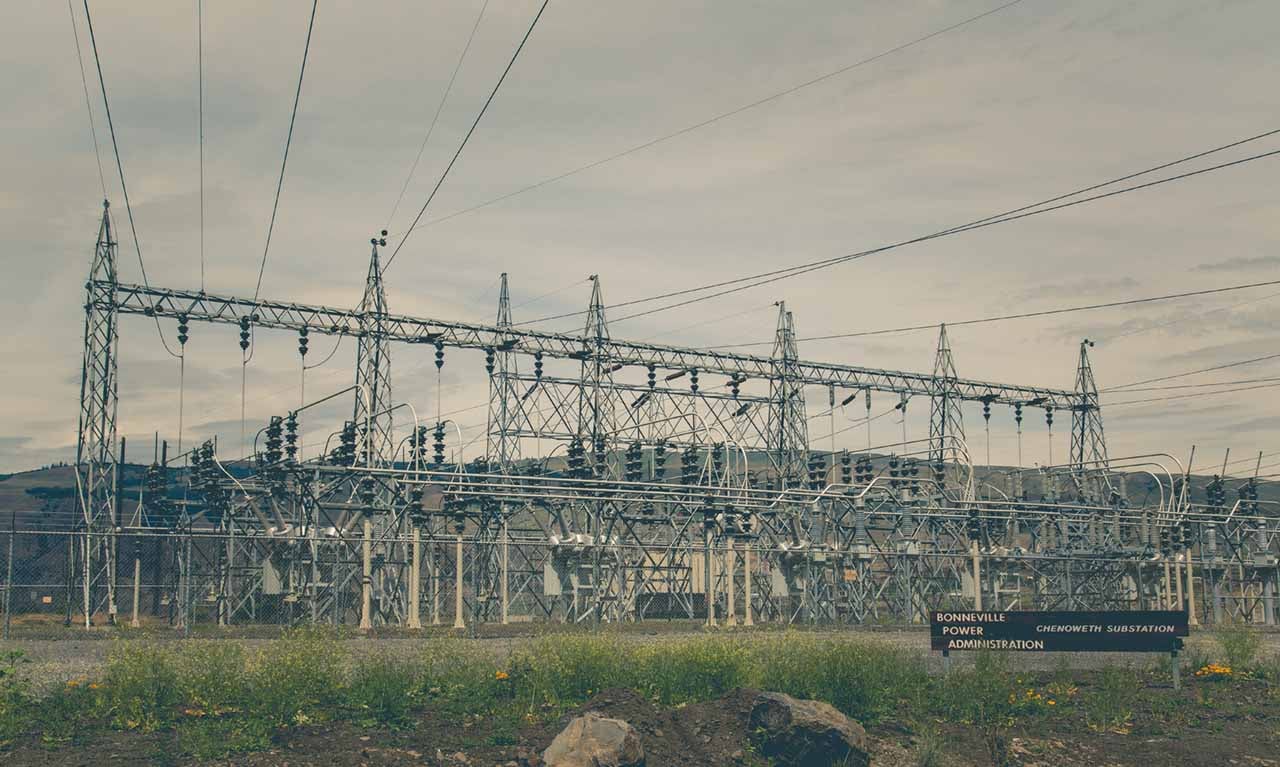
The Pacific Northwest could need as much as twice its current electricity supply over the next two decades as data centers, electric vehicles, buildings and industry drive demand higher, according to a draft regional power plan.
Pacific Northwest Electricity Demand Could Double
According to the Northwest Power and Conservation Council, the Northwest could need between 40% and 100% more electricity in the next two decades.
Their recent draft plan covers Oregon, Washington, Idaho and Montana and estimates annual electricity use could rise from about 22,000 average megawatts today to between 31,000 and 44,000 average megawatts by 2046.
Peak demand could increase from current levels of 35,500 megawatts in winter and 33,300 megawatts in summer to between 47,000 and 60,000 megawatts. As a result, the region is preparing for its largest grid build-out in decades to meet this historic surge in electricity demand, and it’s expected to cost billions of dollars.
The council says the region’s power system could therefore grow by 50% to 100% over the next 20 years.
Data centers are expected to be a major source of near-term growth, while electrification of transportation, buildings and industry, along with economic and population growth, are expected to drive longer-term demand.
The draft Ninth Power Plan calls for a substantial buildout through 2032, including about 9,000 megawatts of new renewable generation, 5,000 megawatts of storage and 2,100 megawatts of natural-gas generation. It also calls for 1,060 average megawatts of energy efficiency and additional demand-response and voltage-regulation resources.
What The Proposed Power Buildout Means for Oregon and Washington
For Oregon and Washington combined, the draft sets an energy-efficiency target of 860 average megawatts, compared with 200 average megawatts for Idaho and Montana.
The proposed 2032 portfolio has an estimated fixed cost of $2.3 billion across the four-state region.
The council approved the plan for public review in August. It remains a draft, with public hearings continuing through October and comments accepted through Oct. 16.
The council says the final plan is intended to provide a 20-year strategy for maintaining an adequate, efficient, and reliable regional power supply.