
 Add as preferred on Google
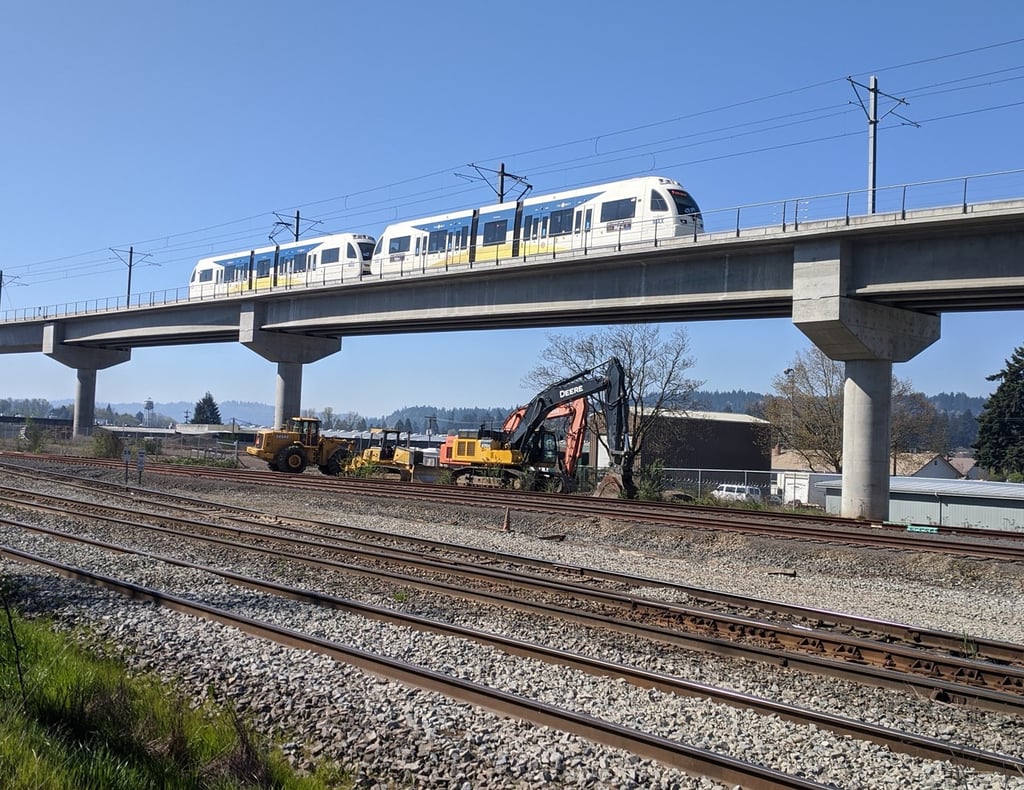
Oregon could lose around 20% of its public transit services over the next decade if additional funding is not made available, potentially leaving around 94,000 people without bus access, according to a report by the state’s Public Transit Subgroup.
No-Additional-Funding Scenario Projects 20% Reduction in Transit Service Over the Next Decade
The report, updated November 9, outlines three funding scenarios for public transportation services.
Under the no-additional-funding scenario, 38% of transit agencies expect to cut services within two years, increasing to 62% within four years.
The report also highlights a growing gap between transit funding and operating costs. Revenue from the Statewide Transportation Improvement Fund (STIF) payroll tax increases by an average of 4.4% annually, while costs are rising by approximately 5.8% a year.
Tidings Data Snapshot
Transit Costs Outpace State Payroll RevenueOregon annual growth assumptions in the subgroup report| Measure | Annual growth |
|---|---|
| Transit costs | 5.8% |
| STIF payroll-tax revenue | 4.4% |
STIF is the Statewide Transportation Improvement Fund. Federal funding is assumed to remain flat; these are not increases in the payroll-tax rate.
Source: Public Transit Subgroup / report updated November 9, 2026DailyTidings.com
Rural Connections and Riders Without Cars Face Particular Risks
The funding shortage could have significant consequences for rural communities and people who depend on public transportation.
A 2026 survey of Oregon transit providers found that 45% of responding agencies had already reduced services over the previous five years.
TriMet’s earlier budget recovery plan included bus and MAX service cuts.
Nearly half of the surveyed agencies had also used funding reserves to avoid further cuts, although the report warns that these reserves will soon be exhausted.
Rural and tribal transit agencies could be forced to eliminate fixed-route services and demand-response transportation used by seniors and people with disabilities.
One example is the Diamond Express, operated by Lane Transit District, which provides the only public transit connection between Oakridge and Eugene/Springfield. The route could face major reductions or elimination.
The effects would also extend to people who have no alternative means of transportation. A Rogue Valley Transit District survey cited in the report found that 70% of its riders did not have access to a working vehicle.
Workgroup Meets Thursday as Transit Subgroup Recommends More Funding to Preserve Existing Service
The Public Transit Subgroup has outlined three possible funding scenarios:
- Scenario 1: No additional funding, with a projected 20% reduction in transit services over the next decade.
- Scenario 2: Oregon would provide an additional $143 million annually, in 2027 dollars. This would reduce the projected statewide service decline from 20% to 12%, but would not be enough to maintain current service levels.
- Scenario 3: Oregon would provide an additional $321 million annually, in 2027 dollars, to maintain existing services without cuts. This would not allow services to expand in line with population growth, meaning fewer people would be served per capita.
Tidings Data Snapshot
Projected Oregon Transit Service CutsThree funding scenarios over the next decadeBars show projected service losses. Additional annual funding is in 2027 dollars. Preserving existing service would not expand it for population growth.
Source: Public Transit Subgroup / report updated November 9, 2026DailyTidings.com
The subgroup recommends Scenario 3, saying the additional funding would also bring Oregon closer to the level of public transit investment made by other states.
The wider transportation workgroup will meet again Thursday, November 19, to consider investment and funding scenarios for presentation to Gov. Tina Kotek. Its recommendations are due by the end of 2026, according to the workgroup’s charter.


Be the first to comment.