
 Add as preferred on Google
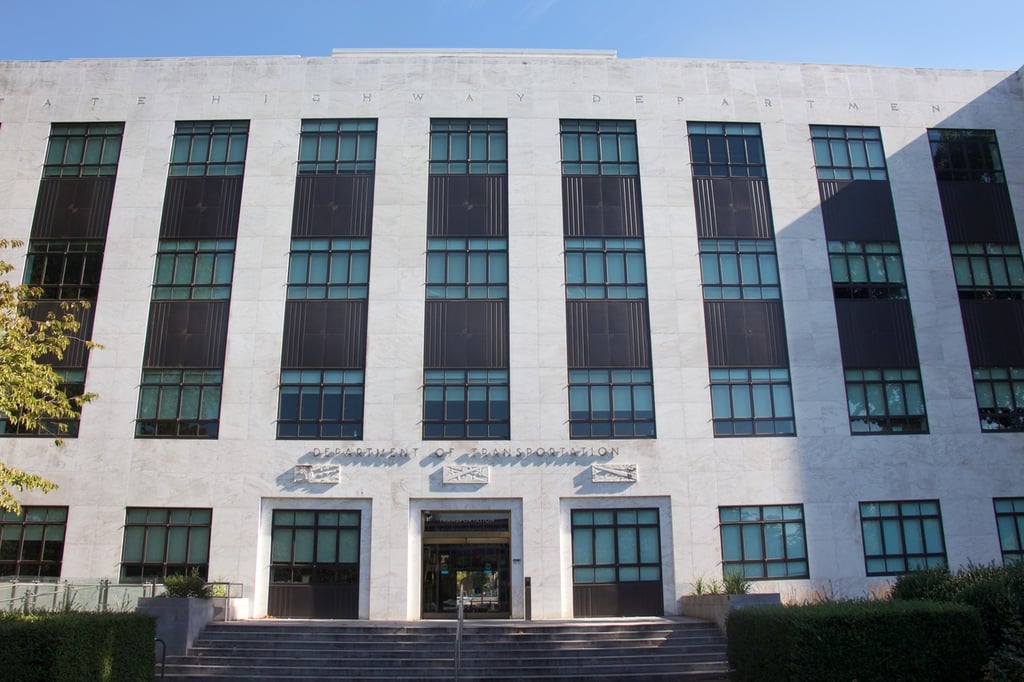
Oregon’s Department of Transportation says it faces a funding crisis despite an adopted 2025–27 budget of roughly $6.1 billion, as rising costs, restrictions on spending, and limited revenue leave less money available for everyday maintenance.
Where ODOT Money Goes and the Shrinking Share for Everyday Maintenance
Where ODOT’s money goes in its original 2025–27 adopted budget, before the 2026 rebalance:
- Project delivery and support account for about 39%, covering major preservation work, bridge improvements, modernization, and capital projects.
- Administrative services, finance, policy analysis and debt service account for about 20%.
- The Interstate Bridge Replacement Program receives about 7%.
- Everyday maintenance accounts for about 10%, or approximately $602 million.
Tidings Data Snapshot
Where ODOT’s Adopted Budget Goes2025–27 original adopted spending plan, about $6.1 billion- 38.5%Project delivery and support
- 11.0%Debt service
- 9.9%Maintenance
- 8.4%Public transportation
- 7.6%Local government
- 7.0%Interstate Bridge Replacement
- 17.6%Other
Before the 2026 rebalance. Other includes DMV, administration, finance, policy, commerce, infrastructure and capital improvements. Shares are calculated from ODOT’s rounded program totals.
Source: ODOT 2025–27 Legislatively Adopted Budget, agency summary page 4; Daily Tidings calculationsDailyTidings.com
That compares with approximately $472 million budgeted for maintenance during the 2015–17 biennium, when ODOT’s adopted budget was roughly $3.56 billion.
Maintenance funding has increased in dollar terms, but its overall budget share has declined from about 13.3% to about 9.9% in the adopted-budget comparison.
Republicans have criticized the governor and legislature for allocating too little toward maintenance, arguing that roads and other existing infrastructure need greater attention.
ODOT Budget Faces Spending Restrictions, Rising Costs and Reduced Services
According to ODOT, a lot of its funding is legally restricted to specific programs and cannot be redirected without legislative approval. In particular, federal funding is usually tied to designated projects rather than routine maintenance.
The agency also faces rising costs as gas tax revenue struggles to keep pace with inflation. Oregon’s gas tax and vehicle and freight hauler fees are not indexed to inflation, meaning their purchasing power declines as expenses increase.
More fuel-efficient vehicles and growing electric vehicle use also affect gas tax revenue.
Tidings Data Snapshot
How ODOT Equipment Costs Have RisenReported cost increases from 2018 to 2026Pickup: $30,000 to $52,000; 10-yard truck: $286,000 to $389,000; grader: $271,000 to $358,000. Percentages are ODOT’s rounded figures.
Source: ODOT / Transportation Funding in OregonDailyTidings.com
Budget reductions have meant smaller maintenance crews, limited overtime for responding to incidents, and less snow plowing on lower-volume roads.
In March 2026, lawmakers redirected existing state transportation funds to address a $297 million shortfall in maintenance and operations, helping avert layoffs and widespread service cuts.
But this provided short-term relief, not a lasting funding solution.
The Rebuilding Our Transportation Vision Workgroup is now reviewing funding needs, priorities, and tradeoffs. Recommendations from the workgroup are intended to inform decisions during the 2027 legislative session.
Be the first to comment.