
 Add as preferred on Google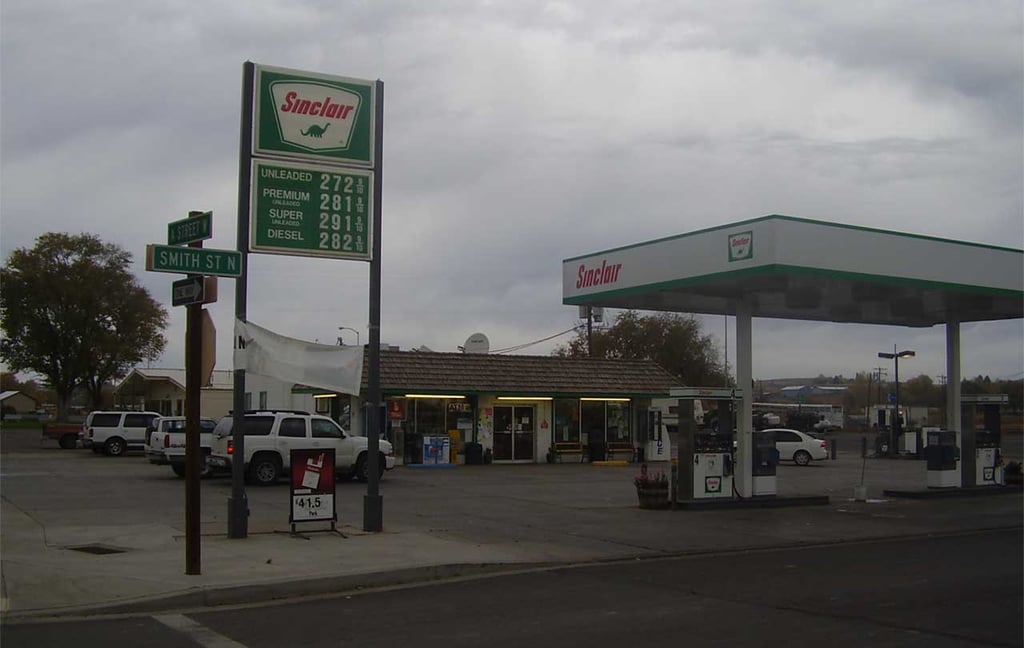
Oregon’s gasoline sales have been in a sustained decline since before the pandemic, reflecting a mix of economic, behavioral, and technological shifts. But falling sales also mean lower gas-tax collections.
Oregon Declining Gas Sales
In 2025, ODOT reports that Oregon drivers and light-duty businesses consumed 1.75 billion gallons of fuel- about 80 million fewer than in 2019, and roughly 5% below the 2018 peak.
While downturns in fuel sales are often tied to weaker economic conditions, the current trend appears more complex.
Several overlapping factors are driving the drop:
- Remote and hybrid work have reduced commuting, while a softer post-pandemic labor market has limited overall travel demand
- Newer vehicles are significantly more fuel-efficient, allowing drivers to travel further on less fuel
- The gradual adoption of electric vehicles- though still under 4% of passenger cars- has also contributed to reduced gasoline consumption.
Tidings Data Snapshot
Oregon Fuel Sales ShiftSource: Oregon Department of Transportation State Transportation Revenue ForecastDailyTidings.com
Interestingly, diesel sales have risen sharply, increasing nearly 30% since 2018. This growth is widely linked to the expansion of delivery services and e-commerce, as more goods are transported directly to consumers.
But this increase has not been enough to offset the broader decline in gasoline use, and some of the underlying causes remain unclear.
Looking ahead, ODOT Revenue Forecasts suggest gasoline consumption could fall by another 20% over the next decade as efficiency continues to improve. While environmental advocates welcome the reduction in fossil fuel use, the trend presents a fiscal challenge.
OReGO’s Pay-by-mile May Replace Falling Gas Tax
Oregon relies heavily on gas taxes to fund road infrastructure, yet revenues have stagnated despite multiple tax increases.
Tidings Data Snapshot
Where Highway Fund Dollars Go- 60.05%State Highway Division
- 24.38%County road funds
- 15.57%City road funds
Source: Oregon Department of Transportation State Highway Fund distribution diagramDailyTidings.com
With political uncertainty around future funding measures, the state’s transportation budget is becoming increasingly disconnected from fuel consumption trends.
The state’s OReGO pay-by-mile road-use program offers a preview of how the state could replace gas-tax revenue as fuel sales continue to fall. Members pay 2 cents per mile driven to help fund safe and reliable roads and bridges.
ODOT, which has operated OReGO since 2015, has also suggested that as drivers reduce fuel consumption with more fuel-efficient or electric cars, the state needs a new revenue source to construct and preserve roads and bridges.




Be the first to comment.