
 Add as preferred on Google
Although non-affiliated voters in Oregon outnumber Democrats and Republicans, they have returned ballots at a lower rate than voters registered with either major party, based on the Secretary of State’s October 30 return report and October registration totals.
About One in Five Nonaffiliated Voters Had Returned a Ballot by October 30
The state’s unofficial ballot-return report, generated October 30 at 3:39 p.m., recorded 1,181,637 ballots received. That was 37.9% of the report’s 3,117,439 active registered voters.
The report included 492,019 ballots from registered Democrats, 368,003 from Republicans, and 239,604 from non-affiliated voters.
Compared with the state’s October registration totals, the estimated return rates were about 49.8% for Democrats, 49.9% for Republicans, and 20.7% for non-affiliated voters. The October registration report lists 1,154,924 non-affiliated voters.
Tidings Data Snapshot
Oregon Ballot Returns by RegistrationEstimated share of each group returning ballots through October 30, 2026Estimates use registration totals from earlier in October; voter records may change. These are return rates within each group, not shares of all ballots.
Source: Oregon Secretary of State / October registration and October 30 returnsDailyTidings.com
What to Do if You Have Yet to Cast Your Ballot
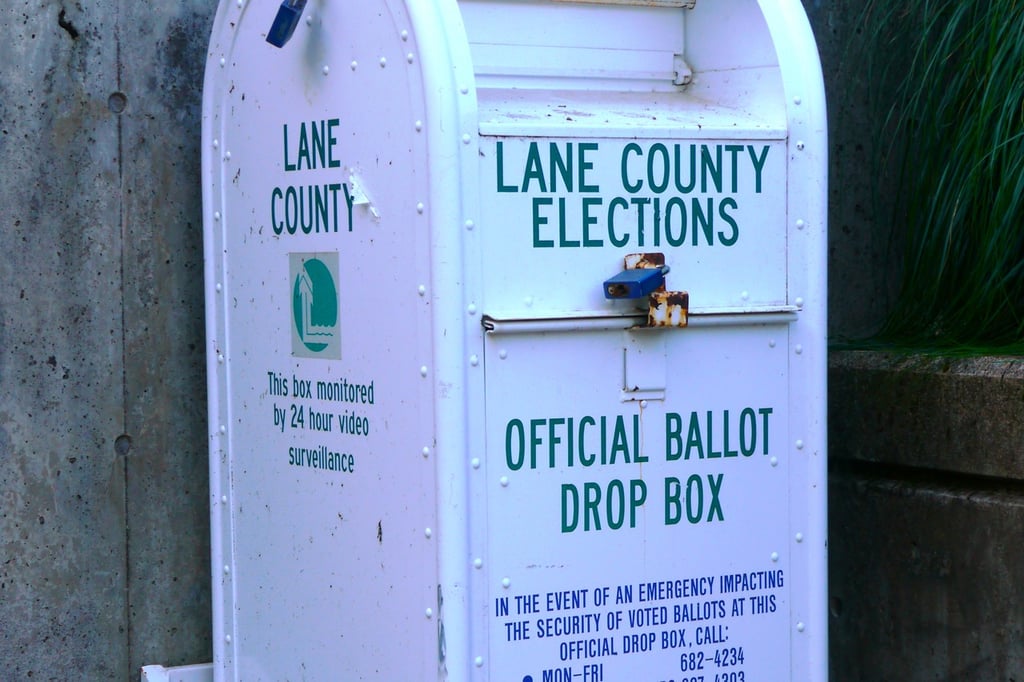
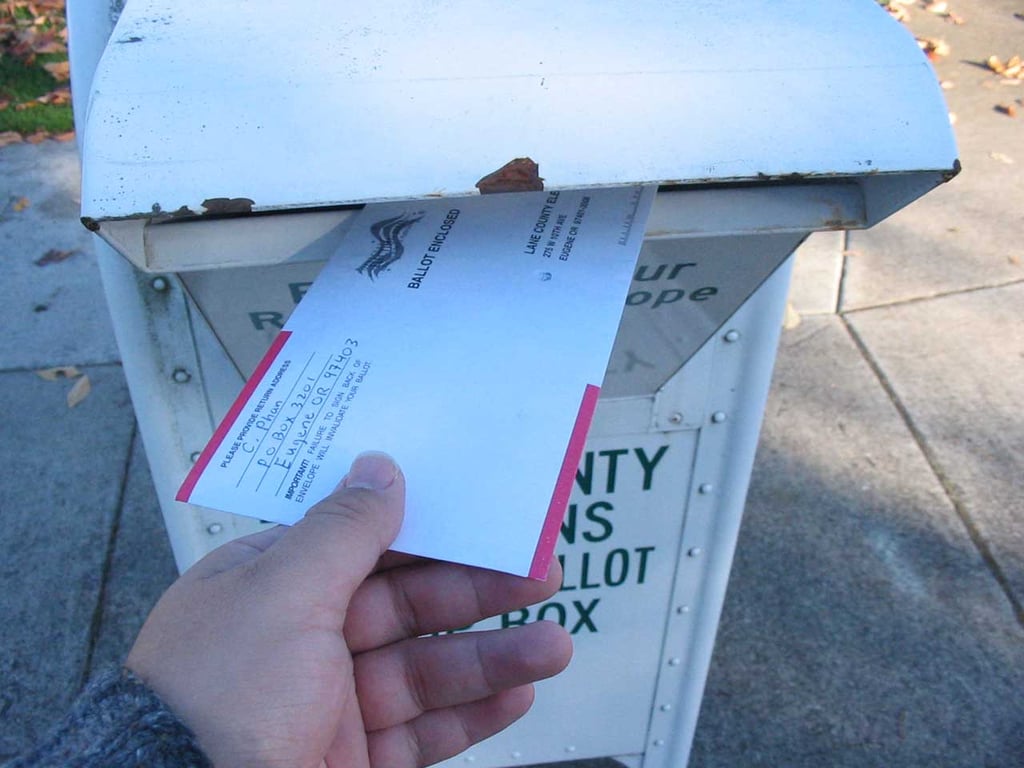
The Secretary of State’s Office urges voters to return their ballot via an official drop box as soon as they are ready to vote. Voters can also deliver their ballot in person to their county elections office by 8 p.m. on November 3, 2026.
For anyone returning a ballot by mail now, the state recommends asking a U.S. Postal Service staff member to postmark it by hand at a local branch.
Mailed ballots must be postmarked by Election Day and received by county election offices by November 10, seven days after Election Day, to count.
Oregonians whose ballots are lost, destroyed, or damaged should contact their county elections office to request a replacement ballot.
Ballots contain details of the relevant candidates and measures based on registered voters’ residential address. This year, the ballots also include candidates for governor and U.S. senator.
Party registration does not determine which candidates a voter may choose in the general election. Local races and measures depend on where the voter lives.
The unofficial return data is fluid and changes as ballots are received and processed.






Be the first to comment.