
Oregon Lithium Drilling Plan Near Nevada Border Faces Lawsuit Over Water and Wildlife Risks

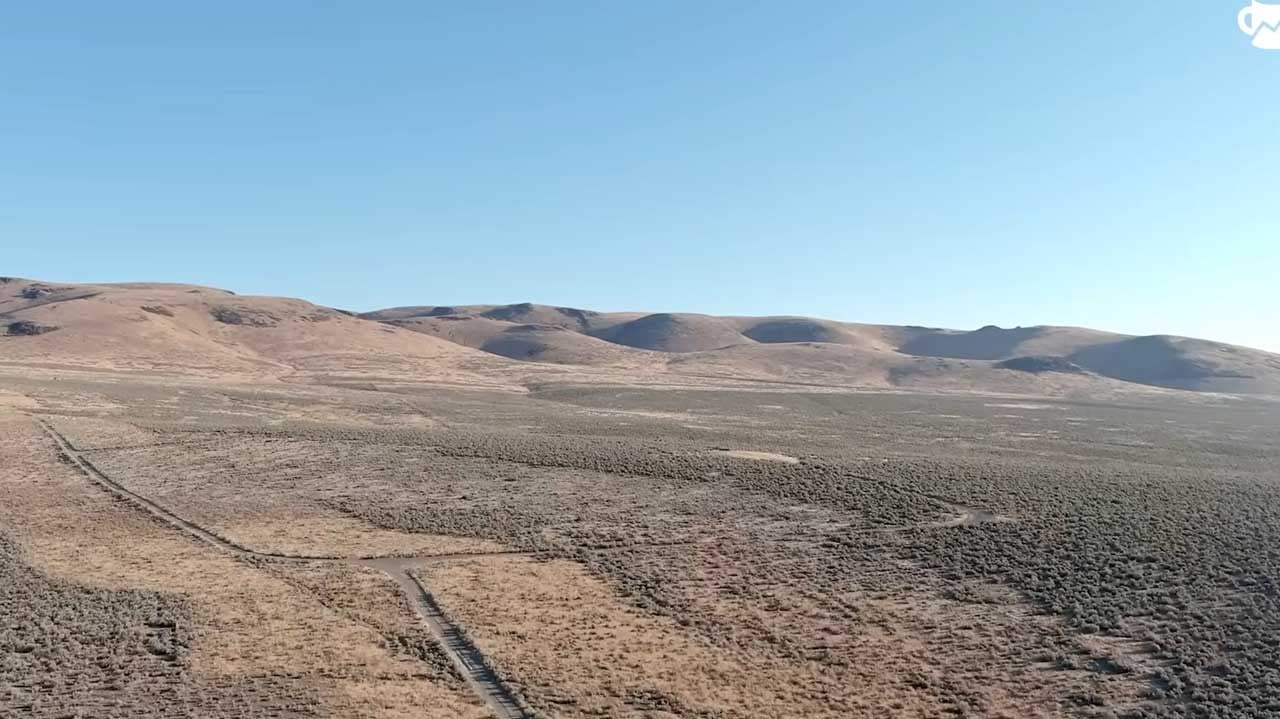
Environmentalists are fighting a Bureau of Land Management (BLM) decision to allow an Australian lithium mining company to build 168 drill sites, 21.5 miles of new roads, and pump 18,000 gallons of groundwater daily in the McDermitt Caldera in southeast Oregon.
Sources: BLM McDermitt Exploration Project page, Earthworks and Oregon Natural Desert Association project releases
Dailytidings.com
The Project Threatens Sage Grouse Habitat, Scarce Water Resources, and Tribal and Local Communities
The project will threaten the habitat of sage grouse and other species, while extracting scarce water resources that will have a resounding impact on tribal and local communities in the remote area near the Nevada border.
A lawsuit was filed in the Pendleton U.S. District Court earlier this week by the Oregon Natural Desert Association, the Great Basin Resource Watch, and the Great Old Broads for Wilderness environmental groups.
The lawsuit states that BLM approved an exploration project last December, allowing HiTech Minerals to mine lithium on the site.
BLM Violated the National Environmental Policy Act
BLM violated the National Environmental Policy Act by failing to prepare an environmental impact study, according to the lawsuit.
The petitioners have asked the court to set aside the decision and to bar the mining company from implementing any exploration on the site until BLM completes a comprehensive environmental analysis.
The McDermitt Caldera is an ancient super volcano with clay sediments that contain one of the largest known deposits of lithium in the world. The HiTech Minerals exploration will occur entirely on BLM administered land.
Whether the Lawsuit Succeeds is Debatable
Whether this lawsuit will succeed is debatable, as a similar mining operation, heavily financed by the federal government, south of the proposed new venture, was unsuccessful when challenged in court.
Known as Thacker Pass, that lithium operation is ongoing 20 miles south of the McDermitt Caldera, and is backed by a $2.2 billion loan from the U.S. Department of Energy.
Currently, the U.S. relies on imports for the production of battery packs for defense technologies and to power electric vehicles. A domestic supply of lithium is considered a national security measure to reduce dependence on imports, particularly from Chinese suppliers.