
Hot Dry Summer Set to Push Already Stressed Oregon Trees Closer to the Edge

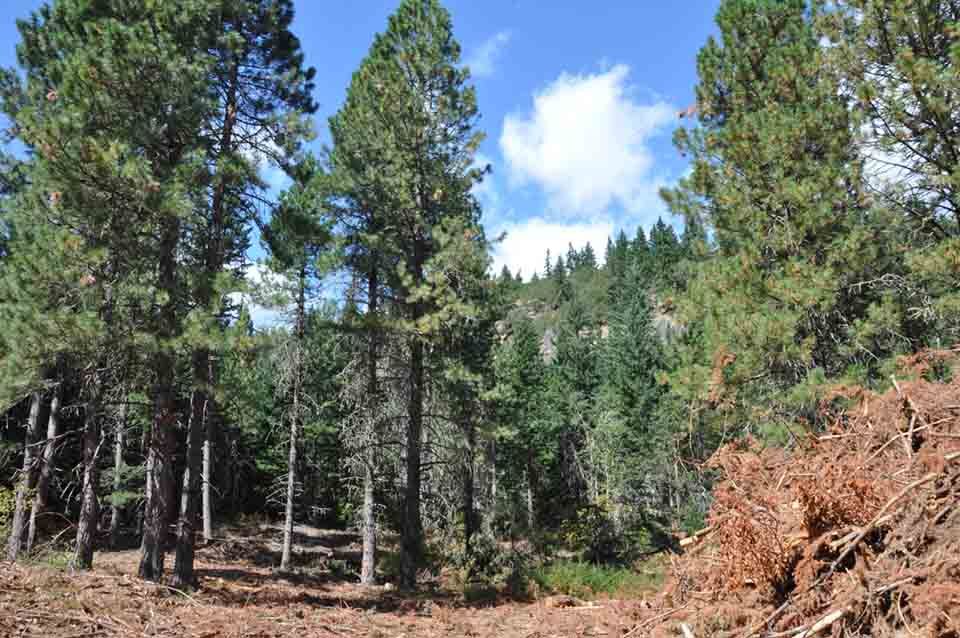
The Oregon Department of Forestry has noted that this summer’s anticipated hot, dry weather- similar to 2015’s peak high temperatures and drought- will put trees in Oregon under more of the chronic stress they’ve been experiencing from hot droughts for at least a couple of decades.
According to the National Oceanic and Atmospheric Administration, this winter tied 1934 as the warmest since accurate records began in 1896.
Although there have been a few breaks, the compounding of frequent or long-duration warm and dry conditions has taken its toll on many trees.
Trees have faced higher-than-average temperatures, inconsistent precipitation, more precipitation falling as rain than snow, and earlier snowmelt.
Sources: NOAA Climate at a Glance and NRCS Oregon Water Supply Outlook
Dailytidings.com
Oregon Department of Forestry (ODF) Forest Entomologist Christine Buhl confirmed that a warm or dry spring is especially harmful for trees because it’s their most active growing period.
Buhl noted that the stress reduces growth, weakens defenses against opportunistic insects and diseases, and can outright kill tissues or whole trees. At the same time, warmer conditions can also make conditions more favorable to tree pests.
To ensure successful forest establishment under changing climate conditions, ODF recommends:
- Selecting species and seedlots adapted to both current and future ranges.
- Prioritizing moisture retention by planting during wet seasons, managing competing weeds, and utilizing mulch or native understory.
- In extreme stress, shifting toward drought-tolerant seedlots.
- Avoid fertilizing or using heavy equipment on wet soil to prevent increased water demand and compaction.
- More information is available on the ODF website.