
Severe 2026 Wildfire Season Could Be Ahead for Oregon, Leaders Warn

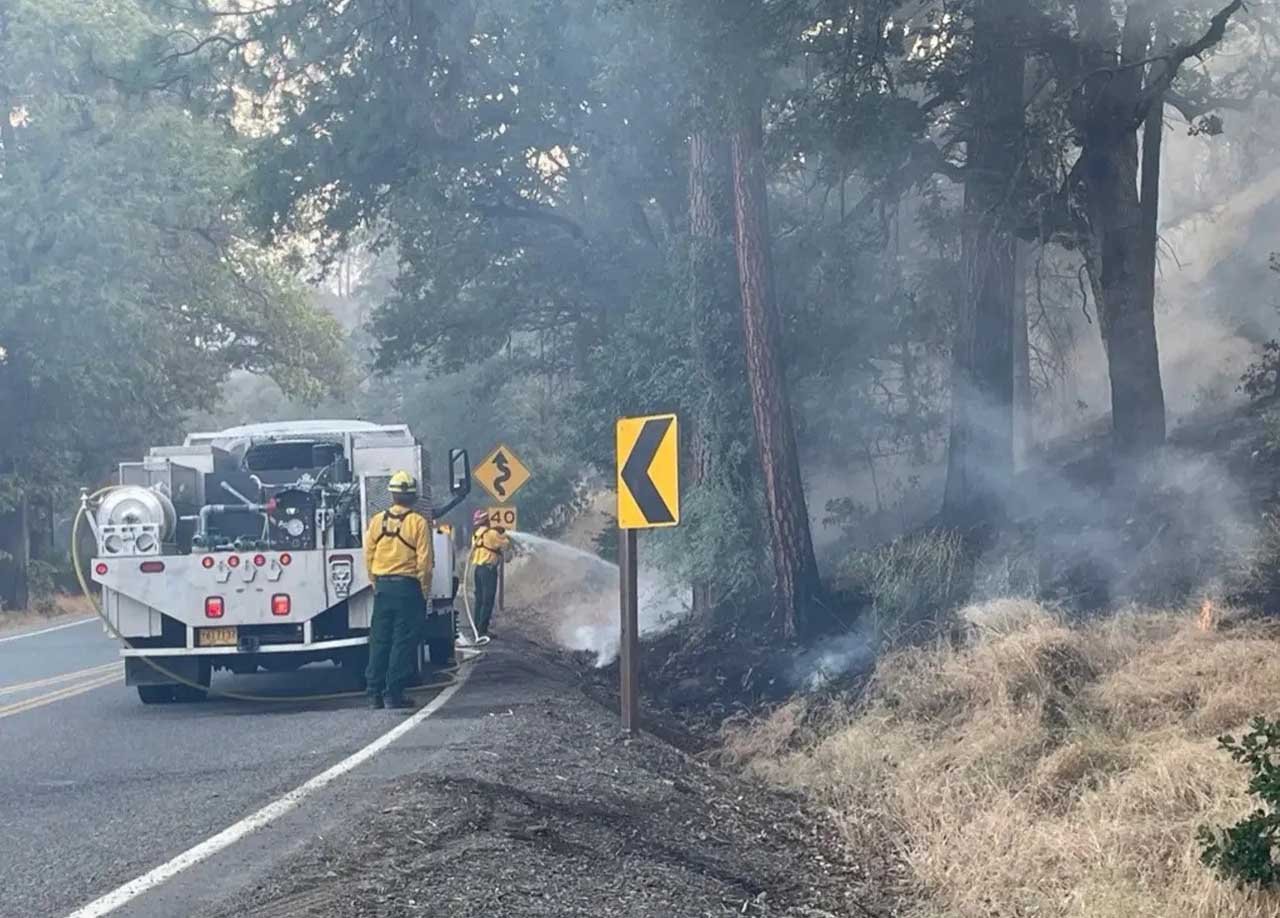
At a meeting at the Oregon Department of State Fire Marshal (OSFM), Oregon wildfire leaders warned that the state is heading into what could be a severe 2026 wildfire season, and urged Oregonians to prepare now.
Severe 2026 Wildfire Season Predicted
Already facing severe drought conditions- with nine counties already under emergency declarations- Oregon is also dealing with record-setting low snowpack. The conditions present a serious wildfire risk this summer.
According to experts, the lack of snowpack and expanding drought conditions are compounded by the risk of a potentially strong El Niño that increases the likelihood of warmer, drier conditions and thunderstorms that may bring lightning with little rainfall. These conditions intensify wildfire starts.
Sources: Oregon Governor’s Office wildfire briefing, OPB drought reporting and NOAA seasonal outlook cited by state officials
Dailytidings.com
Above-normal temperatures and below-average precipitation are predicted through October by the National Oceanic and Atmospheric Administration, with the risk of significant wildland fires projected to be above normal east of the Cascades from June. This will spread to southwestern Oregon in July.
Governor Kotek signed a proclamation declaring May 2026 as Wildfire Awareness Month. She called for “Coordination across state, local, Tribal, and federal governments that will be vital, and we also need every Oregonian to do their part, including preventing human-caused fires.”
Oregon Wildfire Coordination and Preparation
In 2025, more than 2,700 wildfires across jurisdictions burned approximately 330,000 acres. ODF is charged with wildfire protection for 16 million acres across Oregon and is responsible for the state’s comprehensive, coordinated wildfire protection system.
Source: Oregon Governor’s Office wildfire briefing
Dailytidings.com
The agency has a three-pronged approach to minimize wildfire and smoke impacts every fire season: prevention, detection, and aggressive initial attack. But prevention, early detection, and aggressive initial attack are the cornerstones.
The Oregon Fire Mutual Aid System (OFMAS) mobilized to eight conflagrations last year and is working diligently to prepare communities to be more resilient.
To protect your home from wildfire, create a defensible space by clearing debris, such as leaves and needles, within 100 feet of your home.
Prune trees and space them to prevent fire from reaching canopies. Move firewood away from structures, clean gutters, and maintain a five-foot buffer under eaves. Finally, monitor air quality, establish evacuation routes, and register for OR-Alert notifications.