
Oregon Adopts New Crab Fishery Rules After Whale Entanglements Raise Alarm

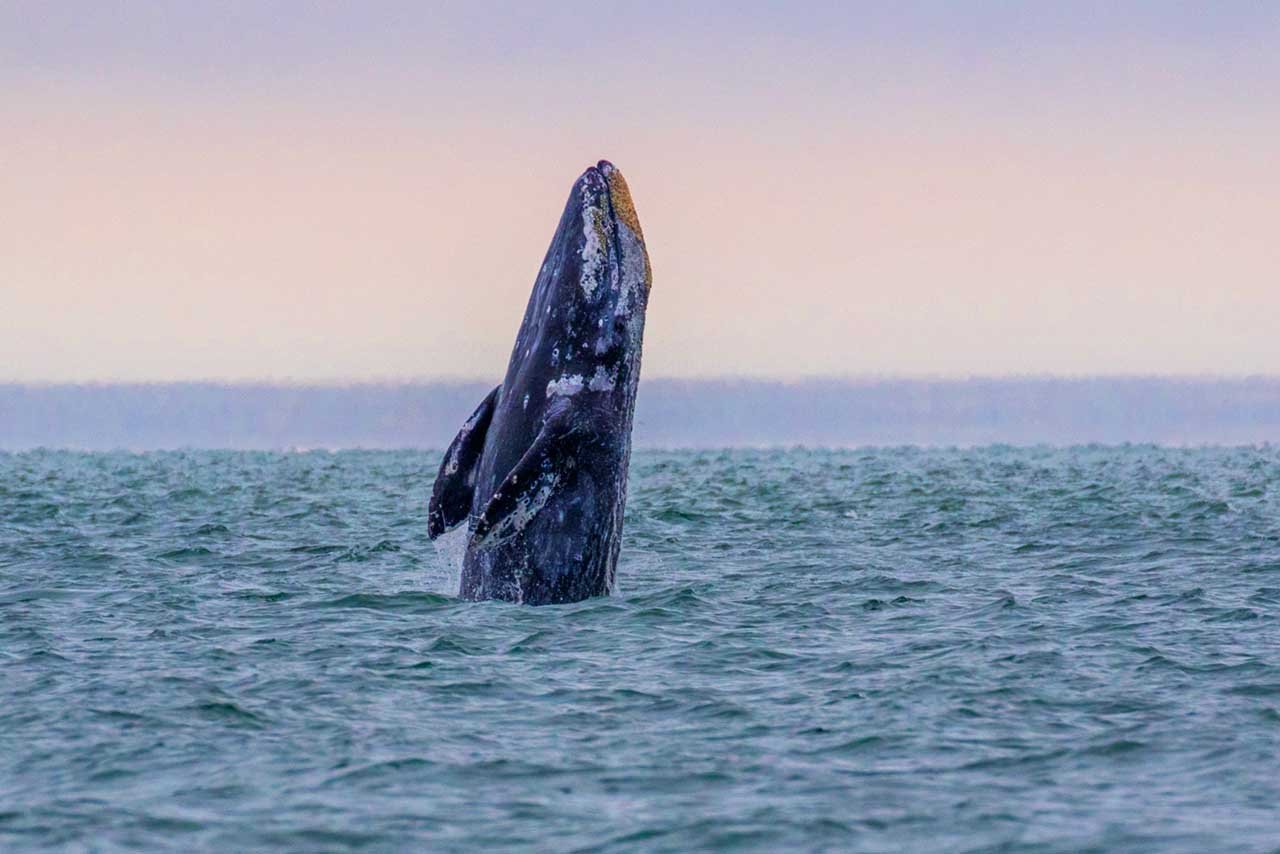
Oregon has adopted new measures aimed at reducing deadly whale entanglements in the state’s commercial Dungeness crab fishery.
Oregon Adopts New Whale Entanglement Regulations
The Oregon Fish and Wildlife Commission approved regulations requiring electronic vessel monitoring and establishing experimental fishing permits to support testing of “pop-up” fishing gear designed to reduce the risk to whales and other marine wildlife.
The action comes amid continuing concerns over whale entanglements.
NOAA Fisheries and state officials documented 20 entanglements involving Oregon crab gear between 2013 and 2025, with 15 occurring after existing prevention measures were introduced.
Two humpback whales have already become entangled in Oregon crab gear in 2026. In the most recent case, a young humpback was disentangled in late July but is not expected to survive because of the severity of its injuries.
Conservation groups welcomed the new rules while calling for stronger action. They say many entanglements go undetected and that reducing the number of vertical fishing lines in the ocean is essential to protecting whales.
Source: Oregon Department of Fish and Wildlife marine life entanglement program
Dailytidings.com
Pop-up gear could offer one solution. Unlike conventional crab gear, which uses lines connecting seafloor traps to surface buoys, pop-up systems allow fishing gear to be retrieved without leaving persistent vertical lines in the water.
California’s Dungeness crab fishery has been testing the technology, with 20 vessels using it successfully during the spring and summer season.
Oregon’s expanded electronic monitoring could also provide more timely and accurate information about lost gear, trap locations, and fishing activity. Currently, much of this information is recorded in paper logbooks that can take up to two years to analyze.
The Oregon Department of Fish and Wildlife expects to begin accepting applications for pop-up gear testing in spring 2027.
Conservation advocates say the new measures represent progress, while emphasizing that further steps may be needed to reduce entanglement risks along Oregon’s coast.