
 Add as preferred on Google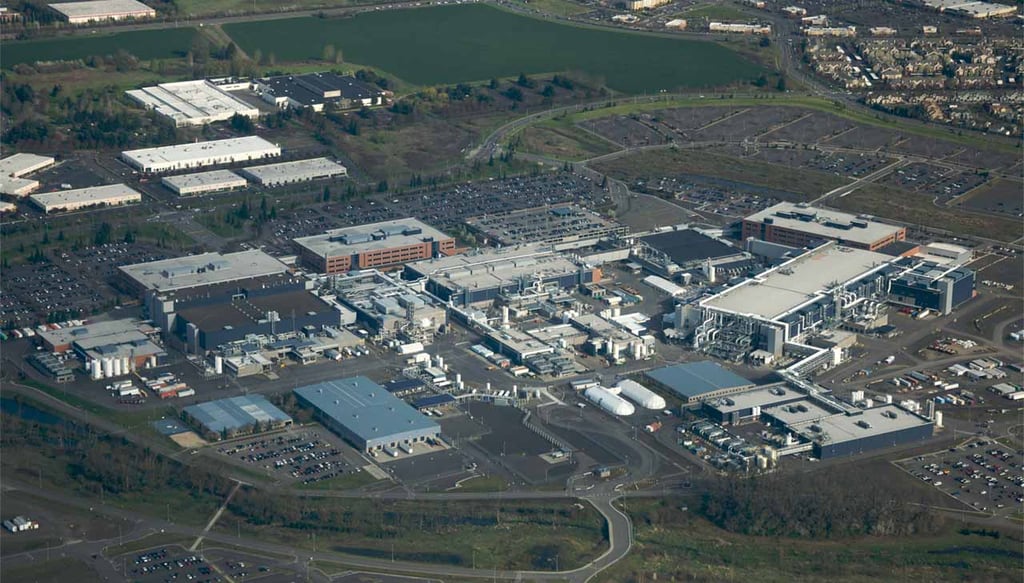
A strong U.S. jobs report released this week appears to show the labor market performing far better than expected. But a closer look at where those jobs were added reveals a more complicated picture- one that raises questions about the strength of technology employment, including in Oregon.
Strong National Jobs Report Hides Technology Losses
The federal Bureau of Labor Statistics reported that total nonfarm payroll employment increased by 162,000 jobs in August, far above the average monthly gain of 31,000 over the previous 12 months. The unemployment rate remained unchanged at 4.1%.
However, much of the headline gain came from sectors outside the technology industry.
Food services and drinking places added 59,000 jobs, while local government education added another 42,000. Meanwhile, employment in the broader information industry fell by 23,000 jobs.
The losses included 8,000 jobs among computing infrastructure providers, data processing, web hosting and related services, along with 7,000 in publishing and 5,000 in broadcasting and content providers.
The figures suggest that the headline strength of the jobs market does not necessarily tell the whole story about which industries are expanding.
Tidings Data Snapshot
August Job Change Versus Recent Trend| Category | August | 12 month average |
| Total payrolls | +162,000 | +31,000 |
| Food services | +59,000 | +12,000 |
| Health care | +13,000 | +32,000 |
| Information | −23,000 | −8,000 |
Source: U.S. Bureau of Labor Statistics / August 2026DailyTidings.com
Oregon High-Tech Employment Also Below Recent Peak
Oregon’s own employment figures cannot be directly compared with the federal information figures, because the state’s broader high-tech category also includes industries such as semiconductor manufacturing, engineering, computer systems design and scientific research.
Tidings Data Snapshot
Oregon's Largest High Tech Industries2025 employmentSource: Oregon Employment Department / QualityInfoDailyTidings.com
Nevertheless, Oregon’s High-Tech workforce has also fallen from its recent peak. According to Oregon employment data, the state had 95,400 high-tech jobs in 2025, 14% more than in 2015 but 7,700 below the 2023 peak of 103,200.
That decline matters because these are particularly high-value jobs. The average annual wage in Oregon’s core high-tech industries was $148,000 in 2025, more than twice the statewide private-sector average of $72,000.
Oregon’s high-tech sector is still projected to grow faster than the overall state economy. But with technology employment below its recent peak, the national jobs report raises a question worth watching: is the technology sector’s weakness proving more persistent than the headline employment numbers suggest?







Be the first to comment.