
Oregon Sues EPA Over Rule Delaying Phaseout of Greenhouse Gases in Cooling Equipment

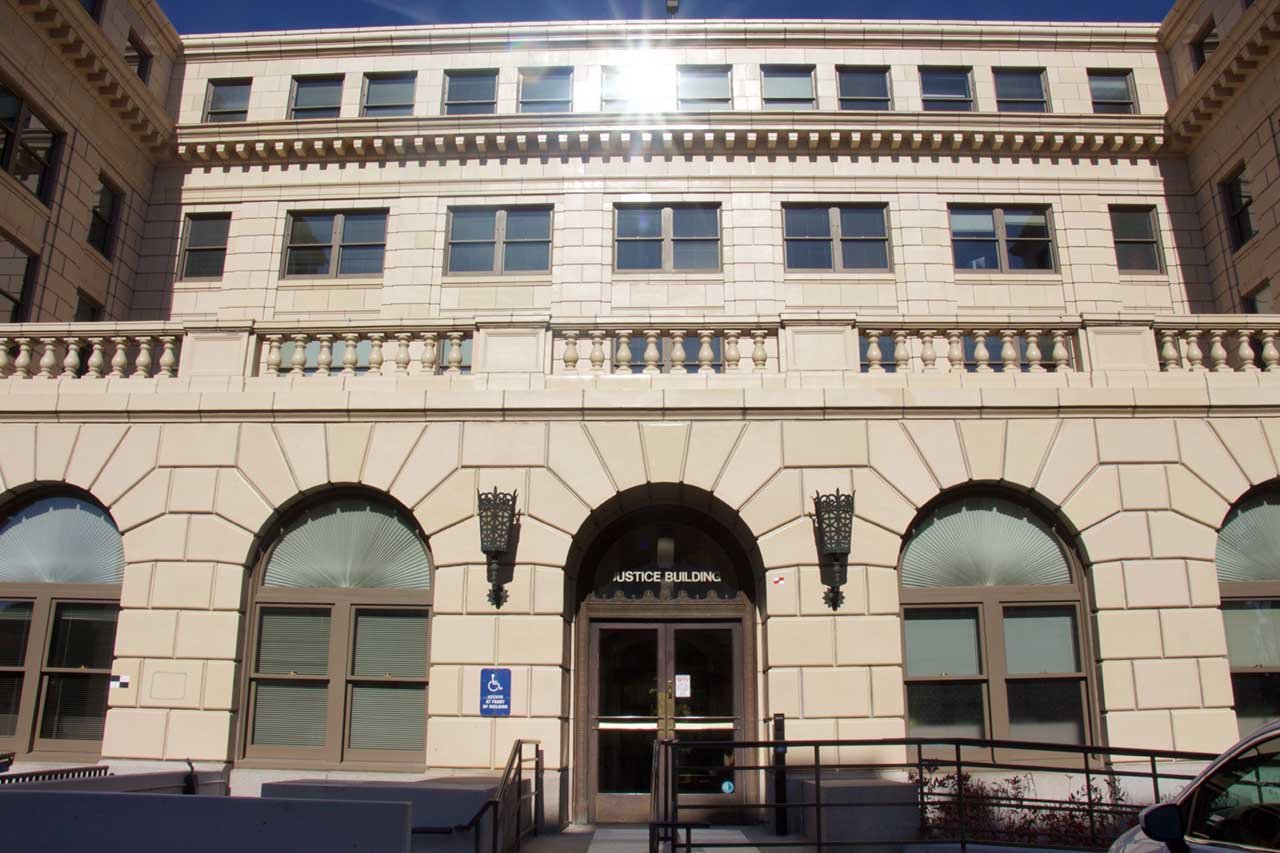
Oregon has joined a coalition of 19 attorneys general in a lawsuit against the federal Environmental Protection Agency (EPA) and its administrator, Lee Zeldin, to review a new rule that delays the phase-out of a group of powerful greenhouse gases in refrigeration and air conditioning equipment.
Lawsuit Against EPA’s Delay of Refrigeration & Air Conditioning Greenhouse Gas Phaseout
Since Donald Trump took office 18 months ago, his administration has attempted to pull back or cancel critically important environmental protections, one of which is a new rule that will keep powerful greenhouse gases in refrigeration and air conditioning units in the environment longer.
The EPA’s new rule seeks to push back a 2020 bipartisan law to phase out HFCs by about 85% by 2036.
Source: US Environmental Protection Agency AIM Act schedule
Dailytidings.com
Under the law, the EPA required that new cooling equipment installed starting in 2026 use gases with a much smaller climate impact, but the agency is trying to push back that deadline by six years.
The delay puts communities at risk. Oregon already experiences hotter summers and more wildfire smoke, and Oregon AG Dan Rayfield confirmed that the EPA’s actions will make this crisis even worse.
One of the fastest-growing sources of climate pollution in the world, hydrofluorocarbons (HFCs), can trap thousands of times more heat than carbon dioxide.
Source: US Environmental Protection Agency HFC program estimates
Dailytidings.com
They are commonly used to keep things cold and can be found in home air conditioners, supermarket refrigerators, and cooling systems in cars and trucks, but also trap heat in the atmosphere. Cutting back on HFCs is one of the fastest ways to slow the pace of climate change.
In the lawsuit, filed in the U.S. Court of Appeals for the District of Columbia Circuit, the AGs argue that the EPA’s rule is unlawful, as delaying the transition will add more climate pollution to the atmosphere and could disrupt the supply of these refrigerants- driving up costs that get passed on to consumers.
The agency also failed to adequately explain why it reversed course.
The lawsuit asks the court to strike down the new rule.