
Oregon Ranks Near Bottom in Education as Most Students Miss Reading and Math Benchmarks

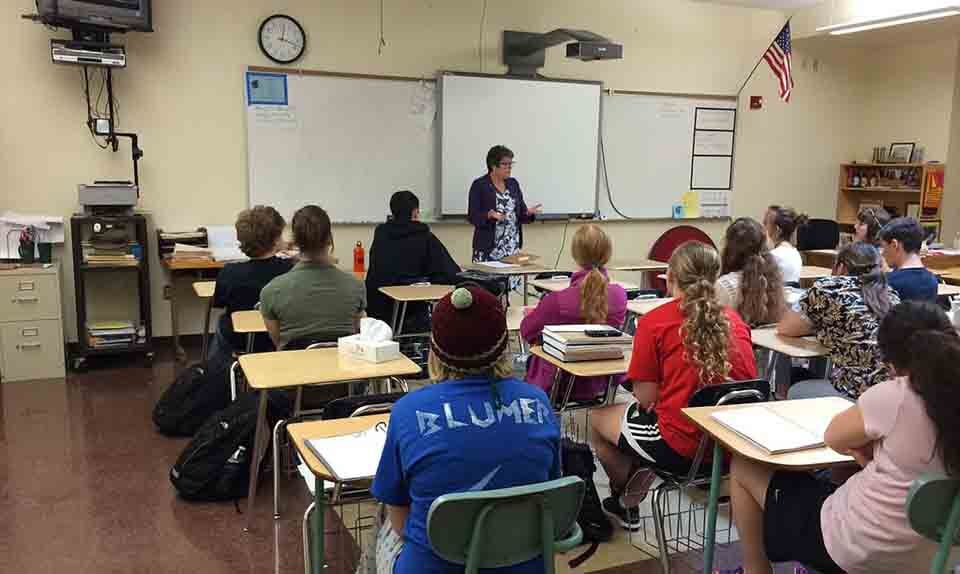
In a new national report, challenges to Oregon’s child well-being emerged, with trends suggesting that student achievement and early learning are lagging, particularly in reading and maths.
Oregon Children Learning Proficiencies Showing Deficiencies
Oregon child advocates have raised concerns after the Annie E. Casey Foundation’s most recent Kids Count Data Book noted that several key education indicators have declined.
The state ranks third in the US in ensuring children have health insurance, but 41st in 4th-grade reading levels, with only 27% of 4th graders reading at grade level.”
While Oregon ranks 23rd nationwide in child well-being for 2026, nearly three out of four Oregon fourth graders aren’t reading at grade level, while three out of four Oregon eighth graders are not meeting math standards.
Sources: 2026 KIDS COUNT Data Book and Oregon Department of Education
Dailytidings.com
Proficiency levels in Oregon are:
- 73% of fourth graders were not proficient in reading in 2024- up from 2019’s 66%. The national average was 70%.
- 76% of Oregon eighth graders were not proficient in math in 2024, compared with 69% in 2019. Nationwide, 73% of eighth graders were not proficient in math.
In addition, the report showed that fewer 3- and 4-year-olds were enrolled in preschool programs- another indicator that could affect long-term academic success- raising concerns about Oregon’s progress since the pandemic.
However, high school graduation rates improved. Oregon’s on-time graduation rate increased from 80% to 82%, although this still trails the national average of 87%.
The report examined child well-being across four categories: education, economic well-being, health, and family and community.
The US received an education score of 547, the lowest of the four domains, with only two states, Mississippi and Louisiana, posting improvements.
Oregon received an education score of 233, ranking 44th in the US, reflecting ongoing challenges in academic achievement and access to early childhood education post-pandemic.
The data book indicates that, between 2019 and 2024, overall child well-being declined, driven by factors such as a crisis in educational outcomes, an increase in child deaths, a drop in health insurance coverage after pandemic-era enhancements ended, and the rising burden of housing costs.
| States where child well-being declined | 29 states |
| States with education setbacks | 47 states |
| States improving education scores | 2 states |
| Children lacking health insurance | 4.7 million |
| Children in high housing cost homes | 22.4 million |
Source: Annie E. Casey Foundation 2026 KIDS COUNT analysis
Dailytidings.com
As long as Oregon allows the Teacher’s Unions to call all the shots, including the school schedule, the worse the quality of education will get. The Unions will try to tell the public that they care about the students, they don’t. They only care about money and power. Kotek bows to them.