
Oregon’s Overdose Crisis Eases but Remains Far Above the U.S. Average

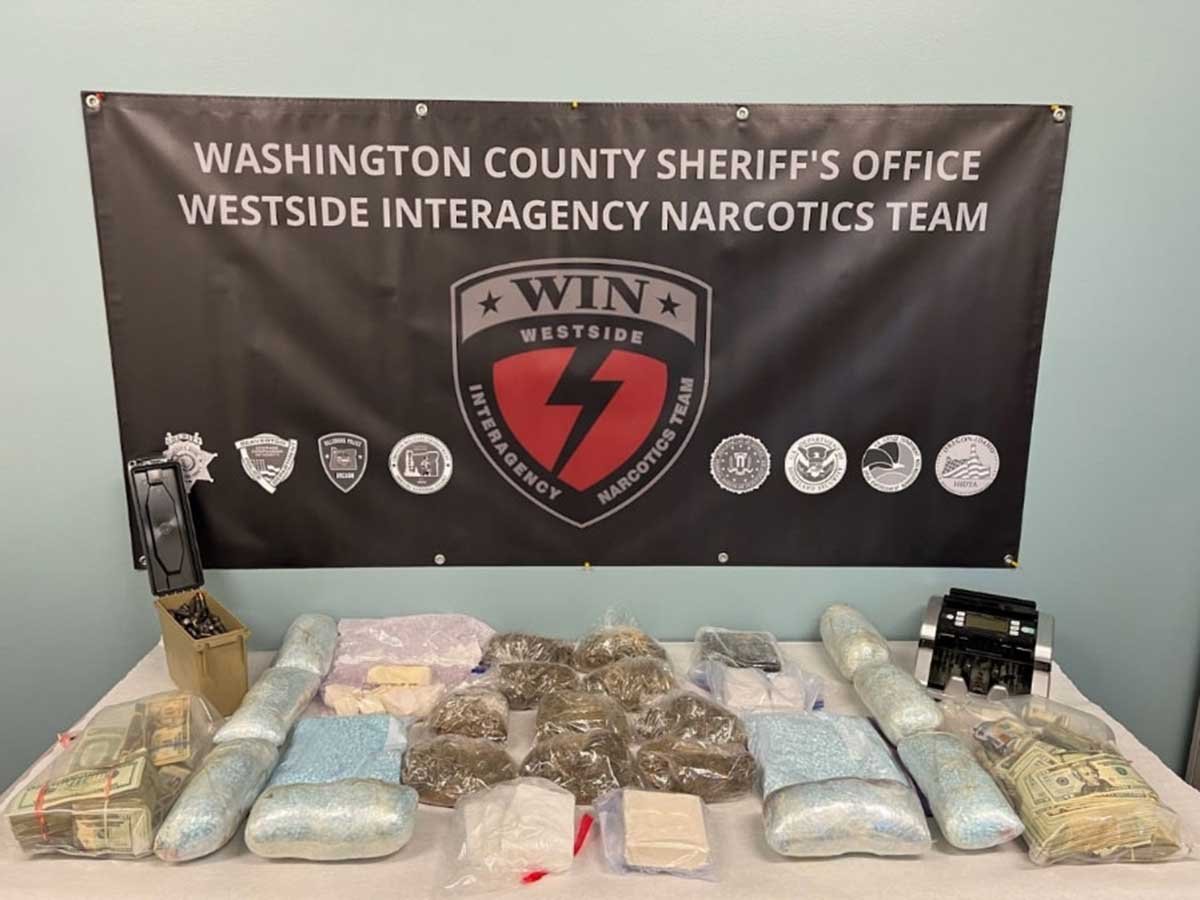
Despite the ongoing statewide opioid abuse crisis, with most drug overdoses involving fentanyl and methamphetamine, the death rate in Oregon has decreased each year since 2023.
Preliminary data released by the Oregon Health Authority (OHA) reveal 1,100 deaths in 2025, and a decrease of 16% in 2024 to 1,544, compared with 1,833 opioid overdose deaths in 2023.
Sources: Oregon Health Authority May 2026 release and 2025 overdose report
Dailytidings.com
However, despite the reduced number of opioid overdose deaths, the OHA expresses concern that more than 90% of drug overdoses are caused by fentanyl and methamphetamine, or a combination of both.
In 2024, 62.2% of all deaths by overdose in the state involved multiple substances (polysubstances), with 70% involving fentanyl and methamphetamine.
Veterinary Tranquilizers and Industrial Chemicals Are Newly Emerging Drugs of Choice On the Local Opioid Scene
What has recently emerged is that the state’s illicit drug market now includes the veterinary tranquilizer, Xylazine, and industrial chemicals such as tetramethyl-4-piperidyl, sebacate, medetomidine, and other emerging substances of concern.
Additionally, cocaine has been classified as an emerging drug by the Oregon-Idaho High Intensity Drug Trafficking Area, due to an increase in seizure incidents recorded across Oregon in 2024.
So, despite a lower overdose death rate, the OHA’s 2025 annual report states that Oregon’s rapidly evolving illicit drug supply brings additional challenges to respond to the overdose epidemic effectively.
Furthermore, while the 2024 decrease in overdose deaths is encouraging, the OHA says that Oregon’s health care systems remain heavily burdened by overdose-related encounters.
Sources: Oregon Health Authority 2025 overdose report and May 2026 release
Dailytidings.com
In 2024, there were 4,193 inpatient hospitalizations and 10,365 emergency room visits, all related to drug overdoses.
These figures do not reflect the reversal of overdoses in the community using medication like naloxone. People who do not receive health care overdose services are missed by current monitoring systems, leading to underreporting of non-fatal overdoses.
The Overdose Rate Increased Among Adults 65 Years and Older
The OHA reports that despite decreases across most age groups, overdoses increased among adults aged 65 and older between 2023 and 2024.
Black African/American and American Indian/Alaska Native communities continued to experience the highest rates of overdoses in the state.
Factors contributing to Oregon’s decrease in drug overdoses include funding the Save Lives Oregon Harm Reduction Clearinghouse, which helps provide services to substance users; treatment program expansions; funding Behavioral Health Regional Networks that provide programs irrespective of ability to pay; and funding peer services and prevention programs statewide.
Oregon’s Overdose Rate Remains Above the National Average
Despite the decline, Oregon’s overdose crisis remains severe. The state’s 2024 fatal overdose rate was 36.1 deaths per 100,000, compared with the national rate of 23.1, while state data shows fentanyl and methamphetamine were involved in more than 90% of fatal overdoses.
The same report found that 79% of people who died had no record of current mental health or substance use treatment, underscoring the gap between reduced deaths and sustained access to care.