
 Add as preferred on Google
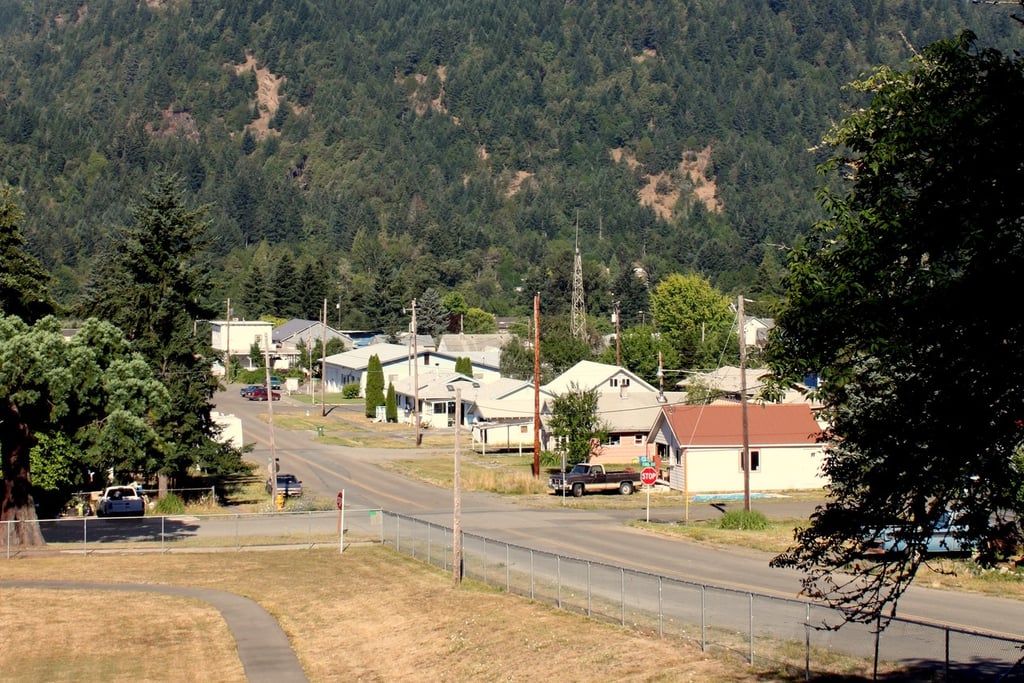
The current housing shortage and an estimated demand for 500,000 new homes within the next 20 years could see Oregon open more land for housing outside city growth boundaries.
The Department of Land Conservation and Development (DLCD), proposes using rural land to solve Oregon’s housing shortage.
Although residential homes are generally developed within Urban Growth Boundaries (UGBs), the DLCD recommends upzoning and expanding certain unincorporated communities to allow new housing development.
If adopted, the proposal will incorporate state laws to protect natural and cultural resources, working lands, and provide public infrastructure.
A Public Hearing Will Be Held at Eugene City Hall
The proposal will be open for discussion and input at a public hearing at 2.15 p.m. on Friday, December 4, at Eugene City Hall.
The deadline for written comment is January 12, 2027, at 11.55 p.m.
New Housing Will Range From Multi-Family Rentals to Home Parks
The proposal is for denser housing clusters than typically found in rural areas.
These will include multi-family rental housing, manufactured home parks, duplexes, triplexes, and ADUs (Accessory Dwelling Units), which are smaller, self-contained homes on the same property as the main house.
DLCD says counties must demonstrate efficient land utilization for expansion, which will require sewer and water systems.
City of Powers Is Concerned That Costs Will Have To Be Borne by Existing Residents
However, the city recorder for the rural city of Powers, Stephanie Patterson, has raised concerns about additional costs that existing residents may have to bear.
In an email to DLCD on November 25, 2026, Patterson says: “We respectfully request that the final rules explicitly protect municipal service providers from obligations to extend services, increase capacity, or finance infrastructure improvements associated with unincorporated development without demonstrated capacity, adequate funding, and the municipality’s agreement.”
Patterson says… ‘like many small communities, the city of Powers faces existing infrastructure deficiencies, limited operating revenues, and substantial costs associated with maintaining aging water and wastewater systems.’
She says the community’s current financial resources are insufficient without outside assistance, such as state or federal grants.
In 2020, Powers had an official Census count of 710 inhabitants.

Be the first to comment.