
 Add as preferred on Google
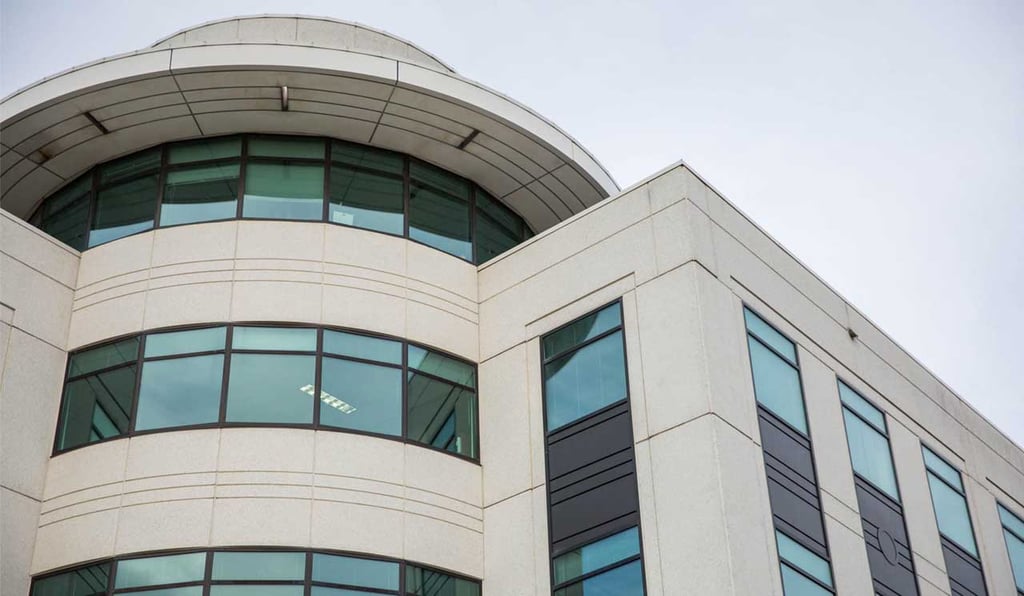
Eighty percent of residents are estimated will pay less for health insurance than they do today if Oregon lawmakers accept a proposal to replace premiums with taxes.
Oregon’s new universal healthcare proposal will replace insurance premiums and deductibles with payroll and income-based taxes.
Health Plan Coverage Will No Longer Depend on Employment
If lawmakers support the proposal, health plan coverage will no longer depend on employment, and will instead be based on residency.
Benefits Will Include Behavioral Health, Dental, and Eye Coverage
According to the Oregon Department of Consumer and Business Services (ODCBS), benefits will be modeled on public employee benefits. The public employee benefits will cover behavioral health, dental, vision, and hearing.
There will be no networks or balance billing, and members can choose from any participating provider.
Employers and Households Will Pay Through Taxes
In the Universal Health Plan Governance Board (UHPGB) Report, Employer Payroll Tax (EPT) will replace the bulk of what business owners now spend on health insurance for their workers.
The EPT will apply only to businesses with a payroll threshold above $500,000.
The Package is Designed to Replace Household Out-Of-Pocket Costs and Premiums
The Household Health Care Contribution (HHCC) for individual contributions has been designed to replace household out-of-pocket costs and premiums paid by individuals and families with an income-based contribution, based on ability to pay.
The HHCC will be administered through Oregon’s existing personal income tax system and, depending on the model option, applied only above an income threshold of 138% or 200% of the federal poverty level (FPL).
Tidings Data Snapshot
Income Thresholds in the Health Plan ProposalAnnual income / 2026 federal poverty level (FPL)| Household | 138% FPL | 200% FPL |
|---|---|---|
| 1 person | $22,025 | $31,920 |
| 2 people | $29,863 | $43,280 |
| 4 people | $45,540 | $66,000 |
Models 1–3 exempt household income up to 200% of poverty; models 4–5 use 138%. These are proposed contribution thresholds, not adopted taxes.
Source: Universal Health Plan Governance Board / 2026 report, Table R2DailyTidings.com
According to the ODCBS, about 80% of residents can expect to pay less than they do today.
Legislative Authorization is Required to Move Forward
Financing and implementation require major decisions, and the final distribution remains undecided.
According to a UHPGB report, advancing Oregon’s universal health plan framework will require legislative authorization and funding for the next phase of work.
Lawmakers must determine the appropriate legislative pathway for advancing a universal health plan. Options include a single comprehensive legislative package or a two-stage approach.
“The Legislature must also determine whether to enact legislation directly or refer the proposal, or components of it, to Oregon voters,” states the report.
Be the first to comment.