
Portland Set to Approve $300 Million in Climate Action Projects This Week

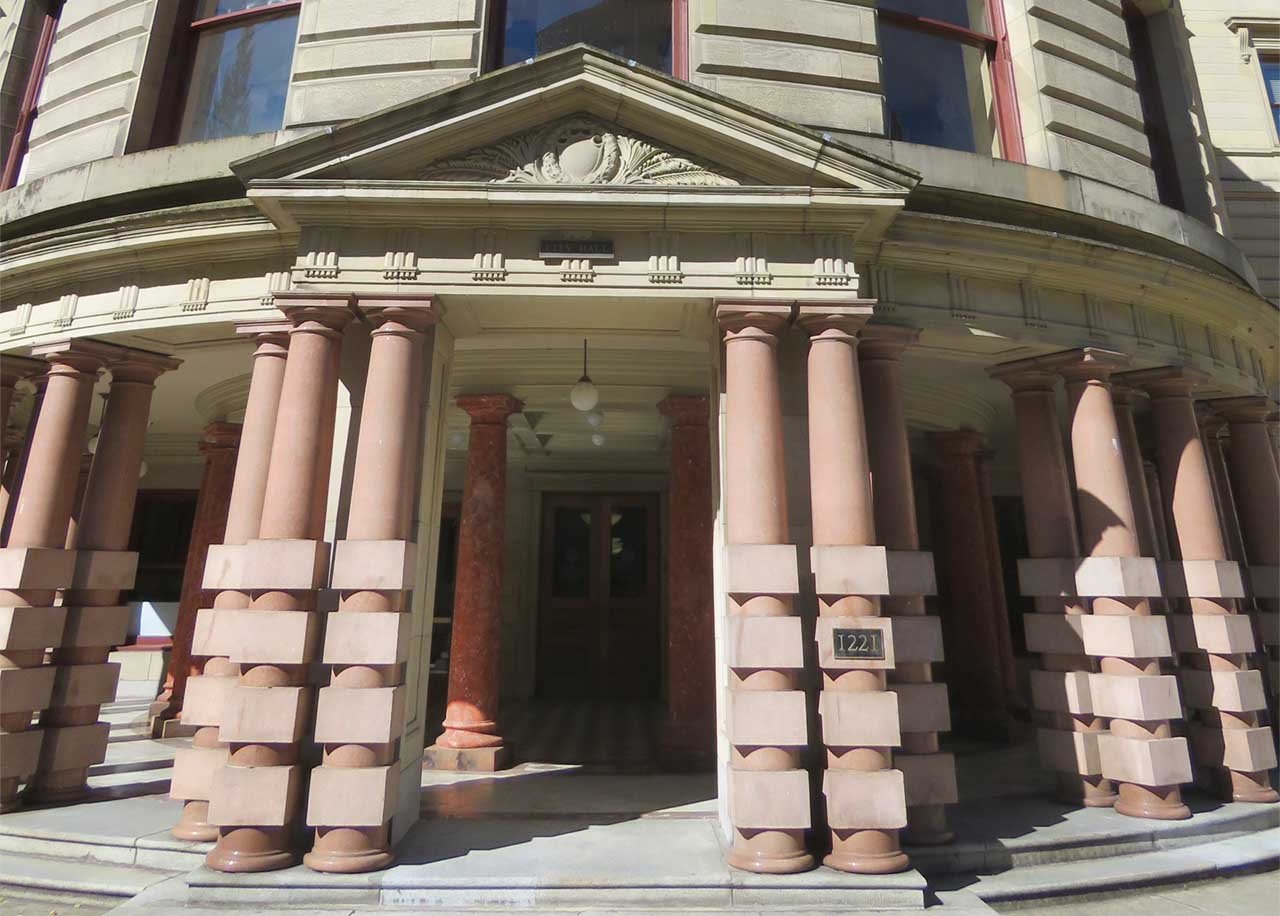
PORTLAND, Ore. — Portland City Council is set to approve grants totaling $300 million as part of its commitment to climate action through large-scale investments that will benefit the lives of its residents at its meeting on Wednesday.
Funding Will Reduce Carbon Emissions and Create Economic Opportunities
The money will be spread over the next five years to support high-impact, multi-stakeholder projects aimed at reducing carbon emissions, fostering economic opportunities, and enhancing the city’s resilience to climate change.
Stakeholders responded to the Portland Clean Energy Community Benefits Fund (PCEF) with various projects, including renewable energy, transportation decarbonization, workforce development, and regenerative agricultural programs.
Funding for Eight Projects
The PCEF Committee has recommended funding for eight proposals. They are:
- $70.37 million to Multnomah Education Service District for a city-wide school investment in climate-resilient clean energy.
- $55.5 million to the Tri-County Metropolitan Transportation District of Oregon (Trimet) for the 82nd Avenue Transportation Decarbonization Project.
- $41 million to the city of Portland Bureau of Fleet and Facilities for transportation decarbonization.
- $36 million to Prosper Portland for Phase One of the Broadway Corridor Clean Energy project.
- $31.57 million to Bonneville Environmental Foundation for clean energy and renewables.
- $24.99 million to Energy Trust of Oregon for the Portland Solar for All project.
- $20.56 million to the Portland Bureau of Transportation for Sidewalks to Schools project.
- $20 million to the Portland Bureau of Planning and Sustainability for industrial decarbonization.
Update since this story ran: here is the city’s finalized list of the eight large scale awards and what each one is meant to deliver.
| Project | Lead | Award | What it funds |
|---|---|---|---|
| Climate resilient schools | Multnomah Education Service District | $70M | HVAC and geothermal, LED lighting, windows, green schoolyards, plus school related transportation upgrades |
| 82nd Avenue transit project | TriMet | $55.5M | Bus rapid transit corridor infrastructure plus workforce development and corridor cooling elements |
| City fleet and facilities decarbonization | City of Portland Bureau of Fleet and Facilities | $41M | Vehicle and maintenance infrastructure upgrades plus training pathways with Portland Community College |
| Broadway Corridor clean energy phase | Prosper Portland | $36M | Street trees plus bike and pedestrian upgrades plus net zero energy middle income housing enabling early redevelopment |
| Empowering PDX | Bonneville Environmental Foundation | $31.6M | Solar, batteries, and efficiency tech serving 1,500+ low income households plus long run utility savings |
| Portland Solar for All | Energy Trust of Oregon | $25M | Solar installations targeting about 2,700 low income households plus jobs and training in the solar workforce |
| Sidewalks to Schools | Portland Bureau of Transportation with Oregon Walks | $20.6M | New tree lined sidewalks near schools to create safer walking routes in East Portland |
| Clean Industry Community Program | Portland Bureau of Planning and Sustainability | $20M | Decarbonization and efficiency support for large facilities and industrial businesses |
The PCEF was created in 2018 after Portland voters approved the fund that generates more than $200 million annually for projects that reduce greenhouse gas emissions and contribute to building green jobs.
Update since this story ran: city documents show PCEF revenue beat early projections and council later approved a $300M package as part of a $1.6B five year plan.
Source: City of Portland Auditor report (published Mar 10 2022) and City of Portland PCEF press release (Dec 18 2024)
Dailytidings.com
The portfolio of projects recommended by the PCEF will improve public infrastructure and create opportunities for local businesses involved in energy efficiency, renewables, and construction.
Update since this story ran: the county emissions inventory shows transportation is still the biggest slice, which is why so much PCEF money targets transit and electric fleets.
Source: City of Portland BPS document: Multnomah County 2023 Carbon Emissions and Trends
Dailytidings.com
The Broadway Corridor
The investment of $36 million in Phase One of the Prosper Portland Broadway Corridor will catalyze significant additional funding for projects to redevelop the former US Postal Service site.
According to a city council report, commitments by the PCEF to fund net-zero energy middle-income housing will allow additional investment in affordable housing and serve as a critical first step in the transformation of that district.
The workforce development efforts will create a workforce that will continue construction activities in the Broadway corridor and beyond.
Industrial Decarbonization
A $20 million investment in the Portland Bureau of Planning and Sustainability’s Clean Industry Community Program will support initiatives to reduce carbon emissions, improve energy efficiency, and promote the use of renewable energy in industrial processes.
The industrial and large institutional sectors face unique challenges in removing fossil fuels from manufacturing processes and facilities.
The provision of technical analysis tools and focused project funding will drive significant advancements in Portland’s industrial sector, enhancing its competitiveness while supporting climate objectives.
Sidewalks to Schools
The $20.56 million Portland Bureau of Transportation Sidewalks to Schools project was developed through public processes and parents in East Portland with little access to walkable infrastructure near public schools.
Oregon Walks has focused its energy on infrastructure investments so students can walk or bike to school. These sidewalks, street trees, and safe crossing improvements will bring critical infrastructure to people living near the nine major school areas that are part of the project.
82nd Avenue Transportation Decarbonization Project
The $55.5 for the 82nd Avenue Transportation Decarbonization Project will play a key role in securing additional matched federal funding that is part of a larger community vision for the future of a carbon-free 82nd Avenue Transport Corridor.
Community advocates and nonprofits have been active for years in shaping the plans for the corridor, including the transit improvements necessary for a high-frequency bus service. Community partners in this project include Asian Pacific American Network of Oregon (APANO), Constructing Hope, the 82nd Ave Coalition, Oregon Tradeswomen, Portland Opportunities and Industrialization Center (POIC), and Portland YouthBuilders.
Clean Energy and Renewables
The $31.57 million Bonneville Environmental Foundation project for clean energy and renewables will construct 8.5 MW of community solar capacity at four sites, allowing over 1,200 low-income households to directly benefit from solar-generated energy savings and supporting development of renewable energy at public properties.
Solar For All
Energy Trust of Oregon’s Portland Solar for All project supports solar energy installations at over 700 single-family homes and 25 multifamily properties. It will also offer battery storage systems at some of the buildings.
Projects Will Provide Thousands of Well-Paid Jobs
Furthermore, the total direct investment in workforce development across the portfolio is over $14 million through partnerships with over a dozen community partners, training entities, and job placement organizations.
Project partners will train thousands from PCEF priority populations for good-paying careers in green construction, vehicle electrification, HVAC installation, building operations and maintenance, and renewable energy installation fields.
Takeaway
The PCEF says $300 million in funding for transformative climate projects and workforce development will stimulate local investments into the future.
The PCEF anticipates that the portfolio of recommended funding for the projects could result in more than $750 million of total investment in Portland.