
Oregon State Park Visits Fall by More Than Two Million as Closures and Wildfire Smoke Cut Into Peak Season
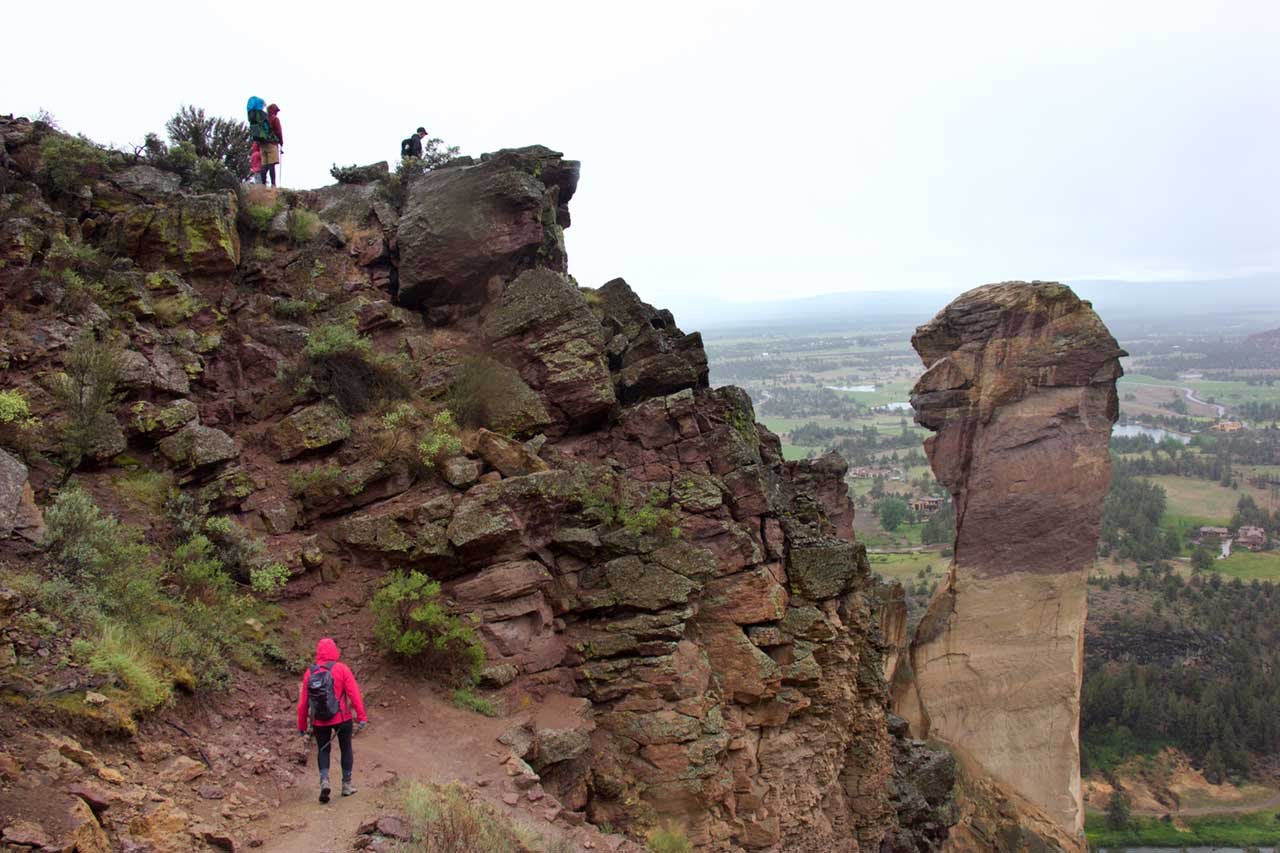
While visits to Oregon State Parks remain popular, day-use visits were down by nearly 2,4 million visitors in 2025 compared with 2024’s record-breaking season. But some parks hosted more visits, reflecting the strong demand for outdoor recreation.
Oregon State Park Visits Decline
After a record-breaking 53.85 million visits recorded in 2024, the Oregon Parks and Recreation Department (OPRD) recorded an estimated 51.46 million day-use visits to state parks in 2025.
Source: Oregon Parks and Recreation Department newsroom release / Day-use visits dip slightly in 2025 / Feb 10, 2026
Dailytidings.com
Parks along the coast and in the Willamette Valley saw modest declines, while visits to Central and Eastern Oregon parks increased slightly.
The most popular destination remains the Oregon coast, with 362 miles of publicly managed beaches. Still, day-use visits there dropped from 32.5 million in 2024 to 30.65 million in 2025.
Source: Oregon Parks and Recreation Department newsroom release / Day-use visits dip slightly in 2025 / Feb 10, 2026
Dailytidings.com
Willamette Valley parks declined from 11.44 million to 10.71 million, while visits to Central and Eastern Oregon parks climbed to 10.09 million visits- up from 9.89 million the year before.
Overnight park stays followed a similar trend: 2.6 million camper nights were logged in 2025, slightly down from 2.83 million in 2024.
Various factors affected visitation, and critical maintenance and infrastructure work that resulted in temporary campground closures at popular parks like Collier Memorial, Silver Falls, Fort Stevens, and Nehalem Bay contributed to the decrease.
Despite visitation remaining historically strong and widespread across the state, OPRD continues to face high and rising costs to operate, maintain, and protect park lands, facilities, and visitor services.
Aging infrastructure, increasing maintenance needs, and higher operating expenses put sustained pressure on the system.
OPRD does not receive general fund tax dollars but relies on user fees, a portion of the Oregon State Lottery revenue, and a share of recreational vehicle (R.V.) registration fees to keep parks open, safe, and welcoming.
Here are the specific fee updates OPRD tied to rising utilities, operations, and maintenance costs
| Effective date | Fee item | Change | Notes |
|---|---|---|---|
| Oct 15, 2024 | Base camping fees for 2025 reservations | Misc +2 / Tent and primitive +3 / RV +4 / Cabins and yurts +5 | Applies to reservations for 2025 stays |
| Jan 1, 2025 | Reservation fee per site | 8 to 10 | Per site |
| Jan 2, 2025 | Day use parking at fee parks | 5 to 10 | Only 25 parks charge / annual permit 30 / two year 50 |
| July 1, 2025 | Out of state surcharge | 25% expanded | Expanded to all campsite types |
The agency has updated fees to reflect current costs better, but they still do not fully cover the costs of running and caring for Oregon’s state parks, which face a projected budget shortfall.
Oregon State Parks Interim Director Stefanie Coons said, “Every visit and every supporter truly make a difference in helping us care for these special places.”
Wildfires Affecting Oregon State Parks
In addition to infrastructure challenges, wildfire smoke and fire activity are increasingly colliding with peak summer park season, bringing multi-day air quality advisories and occasional state park closures that can cut into visitation and revenue when parks are typically busiest.
For example, the Oregon Department of Environmental Quality (DEQ) issued an air quality advisory on Aug. 25 that lasted several days, affecting Deschutes, Jefferson, and western Crook counties during the peak season. Mayer State Park was also closed to the public due to wildfire conditions.