
Oregon Sees Fewer Newcomers Getting Driver’s Licenses as Population Slowdown Raises Economic Concerns

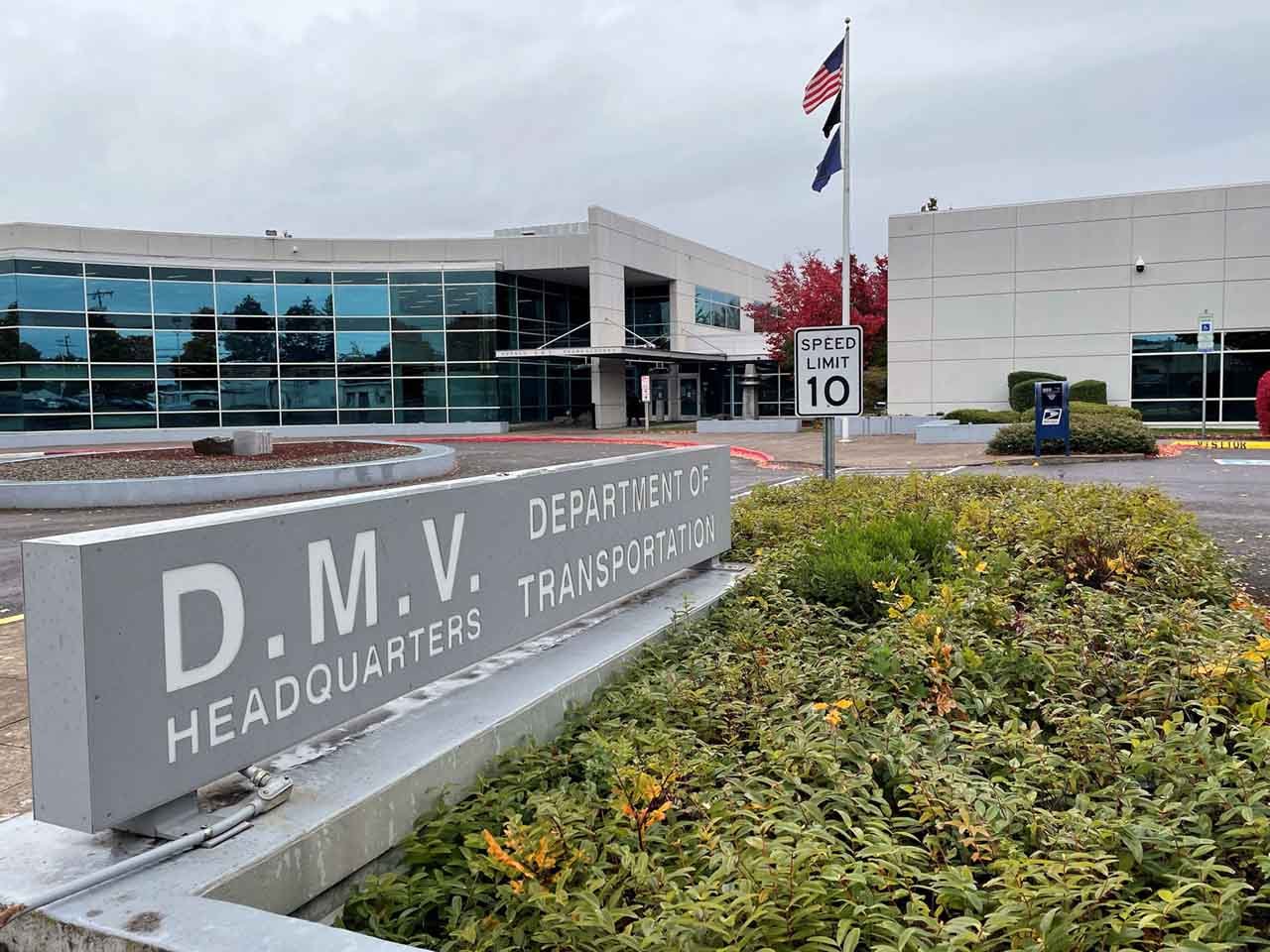
Last year, about 88,000 people gave up their old driver’s licenses in exchange for Oregon IDs, suggesting that they plan to stay.
At the same time, the number of migrants receiving their first Oregon driver’s license fell by more than 2% in each of the last two years, reaching a five-year low in 2025.
Sources: Oregon driver license migration analysis and Oregon DMV residency guidance
Dailytidings.com
As a state dependent on in-migration to offset the effects of an aging workforce, the effect of fewer driver’s licenses on Oregon’s economy is concerning.
Post-pandemic, Oregon’s population growth stalled, prompting concern among the state’s political leaders and economists.
| 2020 to 2025 population growth | 1.4% |
| Projected annual growth through 2035 | 0.4% |
| Natural increase | Negative since 2020 |
| Counties losing population | 12 counties |
| Older adults versus children | 65+ has exceeded under 18 since 2023 |
Source: Oregon Office of Economic Analysis demographic forecast
Dailytidings.com
Yet, declining migration into Oregon wasn’t the only reason for the slowing economy. As fewer people migrate to the state, exits as Oregonians move to other states are on the up, while more residents die each year than are born in Oregon.
Oregon still appeals to many new arrivals, but that may not be enough to offset the state’s shrinking population.
Fewer people may mean less traffic congestion and less pressure on Oregon’s strained housing supply and other resources. A declining population also translates into shrinking tax revenue and a dwindling workforce.
The number of people who turned in out-of-state licenses last year was roughly the same as in the late 2010s, when Oregon’s economy was thriving. While the driver’s licenses hint at a growing problem, the final figures will be available in the next U.S. Census data.