
Oregon Foster Care Improves but Still Ranks Below Other States in Key Safety Areas
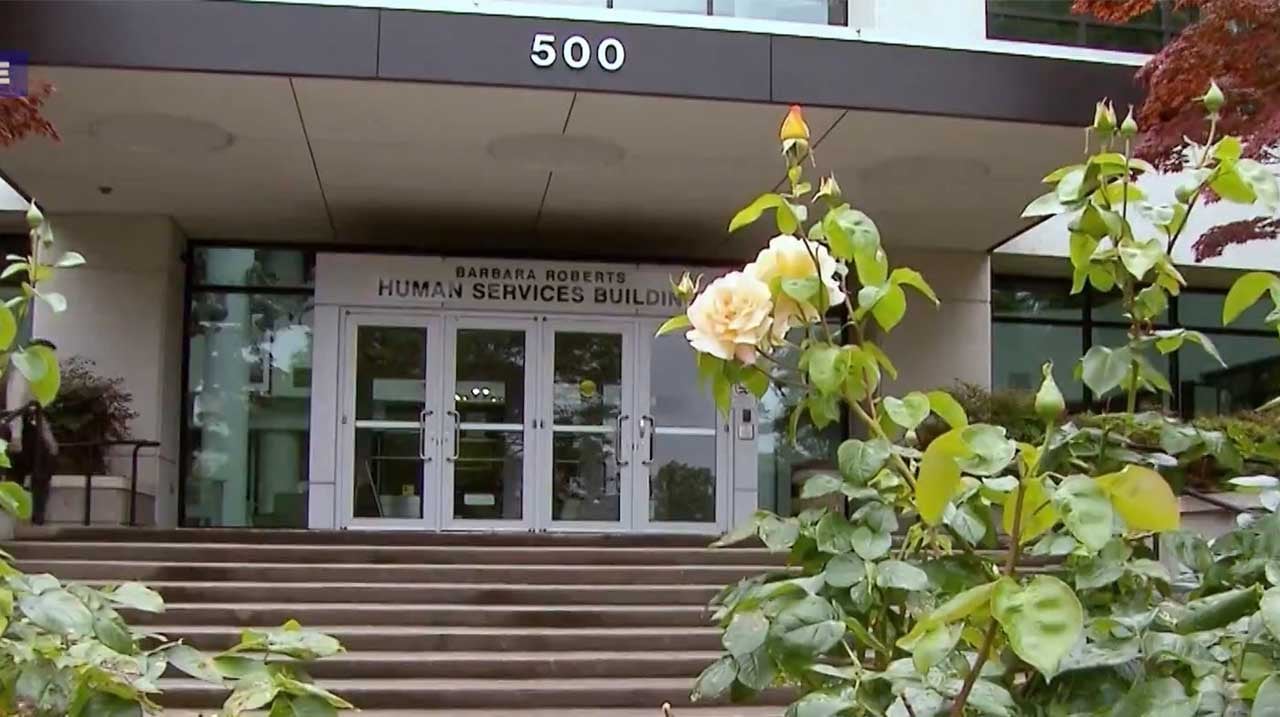
A recent report indicates that, while Oregon performed better on foster care than its last review in 2016, the state is below average in several areas, including maltreatment in foster care and recurrence of maltreatment within 12 months.
Report On Foster Care In Oregon
Oregon’s child welfare agency investigates a broader range of individuals for child abuse. A report by the Bipartisan Policy Center shows the state applies lower thresholds for defining maltreatment than other states, resulting in a higher maltreatment in foster care rate and recurrence rate when compared to other states.
The Child and Family Services Review (CFSR) by the Children’s Bureau within the Administration for Children and Families of the Oregon Department of Human Services (ODHS) Child Welfare program- based on Puerto Rico and 25 states’ performance from 2024 to 2025- shows Oregon’s progress, and areas where the state needs to improve.
In total, Oregon ranked at or above average in 15 of 18 qualitative case review outcomes compared with the other states included.
But the state- already below average on maltreatment in foster care, recurrence of maltreatment, faster responses to maltreatment reports for children already in care, and efforts to move children to reunification, guardianship, adoption, or other permanent placements- needs to improve its performance.
Sources: Oregon Department of Human Services and ACF Child Welfare Outcomes data
Dailytidings.com
Oregon scored above average in multiple categories, such as:
- 84% in preventing entry or re-entry into foster care, (Up 2% from 2016).
- 95% overall for its concerted efforts to keep siblings together (Up 5% from 2016).
- 91% for concerted efforts to place with relatives (Up 14% from 2016).
- 83% for its efforts to preserve children’s connections to their neighborhood, community, faith, extended family, and friends (Down 5% from 2016).
Improvement is needed for Oregon foster care in these areas:
- Faster responses to maltreatment reports of children in care.
- Supporting positive relationships between the child in foster care and their parents beyond visitation.
- Making dedicated efforts to achieve reunification, guardianship, adoption, or other permanent living arrangements for children in care.
Interim Child Welfare Director Rolanda Garcia said, “We are committed to continuing to improve how we serve families and children.”
The 2025 Q4 ODHS Child Welfare Progress Report does show progress. To improve practices, ODHS commissioned an independent statewide safety assessment and is implementing the resulting Safety Action Plan to improve protections, which now include:
- Updated tools to help workers assess and document safety decisions consistently.
- Monthly safety plan reviews for every child.
- Expanded support for foster families to reduce the stress that can contribute to placement instability.
Oregon has also opted to participate in the Administration for Children and Families’ new pilot program, A Home for Every Child, as part of its improvement plan.
The pilot simplifies reporting by focusing on the 1:1 ratio of resource homes to children in care.