
Oregon Drinking Water Not Contaminated After Washington Chemical Spill Reaches Columbia River

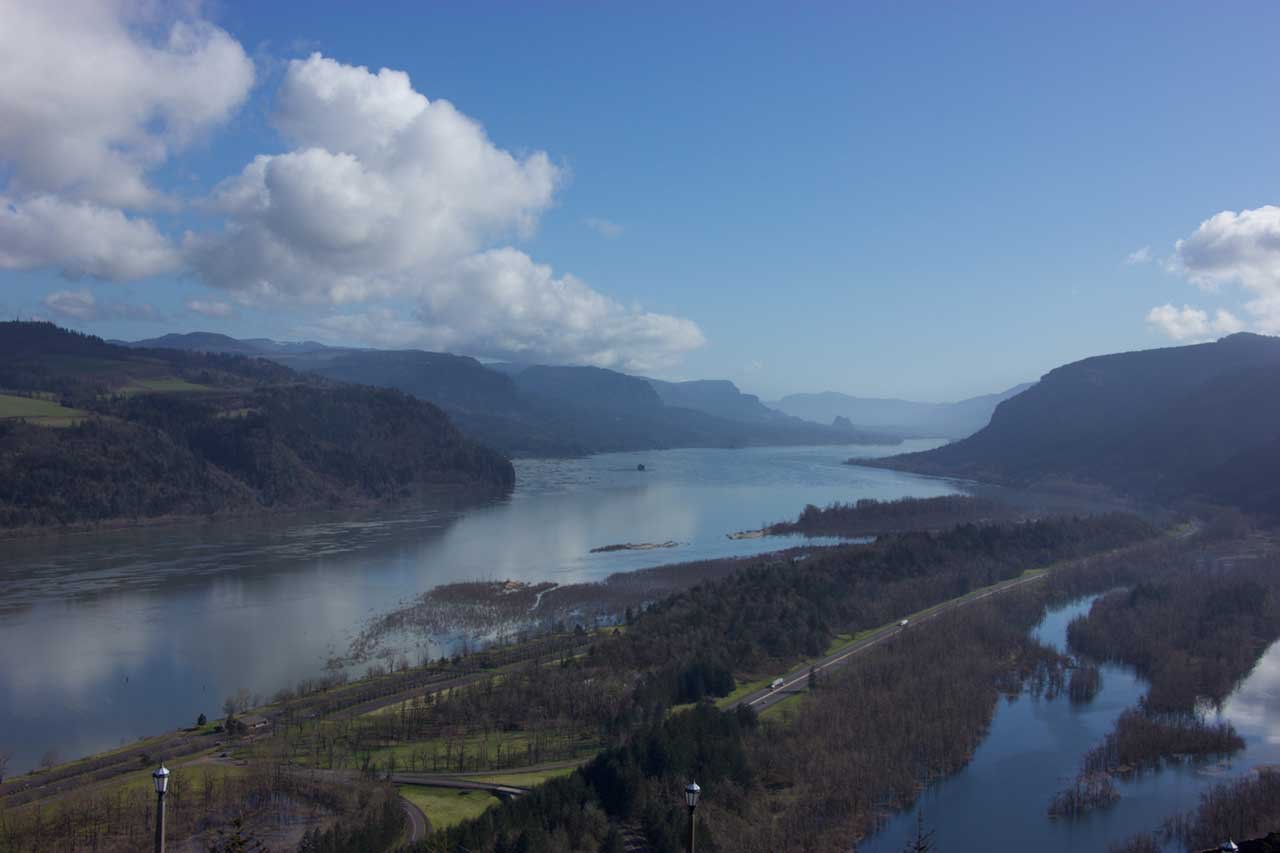
While a deadly tank implosion at the Nippon Dynawave Packaging mill in Longview, Washington, leaked alkaline “white liquor” into the Columbia River, officials have emphasized that Oregon’s drinking water is not contaminated.
The current structural concerns are strictly isolated to Longview’s localized ditch system and well field.
Concern Over Oregon Drinking Water After Washington Chemical Implosion Leaks Into Columbia River
To manage the spill, a joint task force- including local fire officials, the EPA, and the Washington Department of Ecology– is actively flushing the contaminated water away from residential neighborhoods.
Crews are pumping clean water from the Cowlitz River and opening nearby fire hydrants to dilute the caustic chemical before it discharges into the Columbia River, minimizing the risk to aquatic life.
The primary containment challenge is Longview’s drainage ditch system, which sits directly above a sole-source aquifer that supplies the city’s drinking water.
Sources: City of Longview, Washington Department of Ecology and U.S. EPA secondary drinking water standards
Dailytidings.com
Untreated white liquor has a highly alkaline pH of around 13, behaving similarly to industrial drain cleaner.
Thanks to ongoing flushing operations, monitored pH levels at the main pumping stations are currently holding between 7 and 8.5 (neutral to slightly alkaline). Officials noted that if pH levels spike, pumping will halt immediately for alternative neutralization.
Washington Ecology reports no negative impacts on local air quality or municipal water systems. However, residents should avoid nearby ditches and dikes during active testing. A lingering “rotten egg” sulfur odor may occur as the chemical dilutes and releases gases, but monitoring has confirmed no dangerous airborne contamination exists.
Oregon readers should separate two things: the chemical (white liquor) spill reached a shared river, but concern over Oregon drinking water has not been raised by officials. The flushing plan is ongoing and is being actively monitored.