
Oregon Consumers Sue Nike and Other Major Brands Over Tariff-Driven Price Hikes

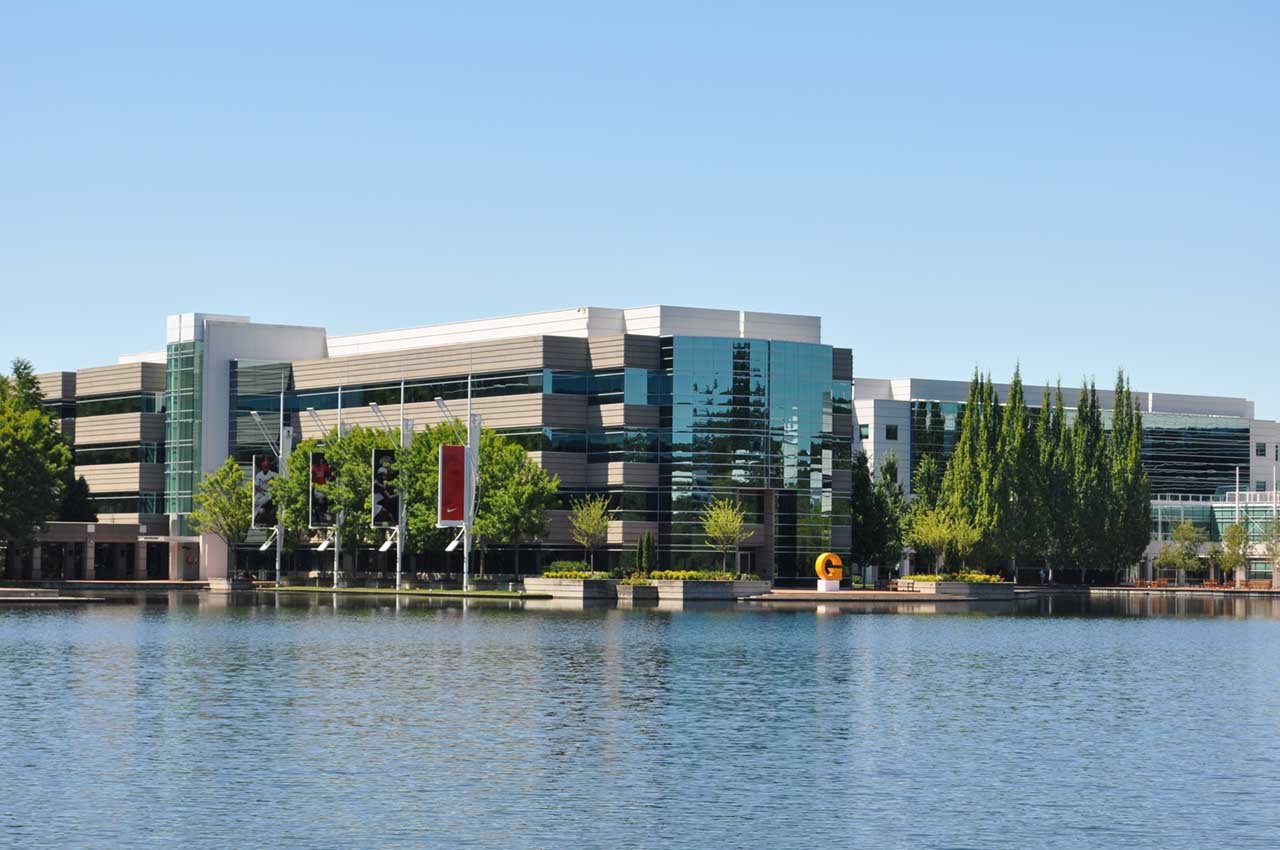
Nike is among several major companies, including FedEx, Costco, Ray-Ban, and Nintendo, that have been named in a class action lawsuit filed in Oregon last Thursday on behalf of consumers.
The lawsuit claims that the sportswear giant stands to gain ‘double recovery’ by raising product prices during tariff hikes, and then later recovering those costs through government refunds.
The class action was filed on behalf of consumers in several states who purchased Nike products during the Trump tariff era, between June 1, 2025, and February 24, 2026. During that period, Nike raised the price of some of its sportswear shoes by $5 to $10, and clothing by $2 to $10.
Source: Reuters report on Nike tariff refund class action
Dailytidings.com
Nike is Heavily Reliant on Manufacturers Heavy Impacted by Trump’s Tariffs
Nike is largely reliant on countries like China, Indonesia, and Vietnam to manufacture its footwear and apparel, countries that were all heavily impacted by Trump’s tariffs.
It is well documented that the sportswear giant has been progressively losing market share, with its footwear dropping to 22.9%, after a 3 percentage point fall in 2025.
Despite Turnaround Efforts, Nike Has Lost Market Share for Three Consecutive Years
Despite CEO Elliott Hill’s turnaround efforts, the 22.9% drop was the third consecutive year that Nike lost market share, according to Euromonitor International data obtained by Reuters.
At the beginning of this month, 4.67% of Nike’s outstanding shares were on loan, a proxy for short selling, according to data from S&P Global Market Intelligence.
That represents over 11 times more than the 0.41% shares on loan when Hill was reappointed in October 2024 in a bid to turnaround Nike’s fortunes.
Nike reported a 9% decrease in revenue for the 2025 fiscal third-quarter, with direct revenue down 12% and gross margin down 330 basis points.
Source: Nike fiscal 2025 third quarter results
Dailytidings.com
These losses were partly attributable to bigger discounts and inventory obsolescence reserves – goods sitting in storage that may be outdated, damaged, expired, unpopular, or unlikely to sell.