
Oregon Clean Energy Group Sues Defense Department Over Frozen Wind Project Reviews

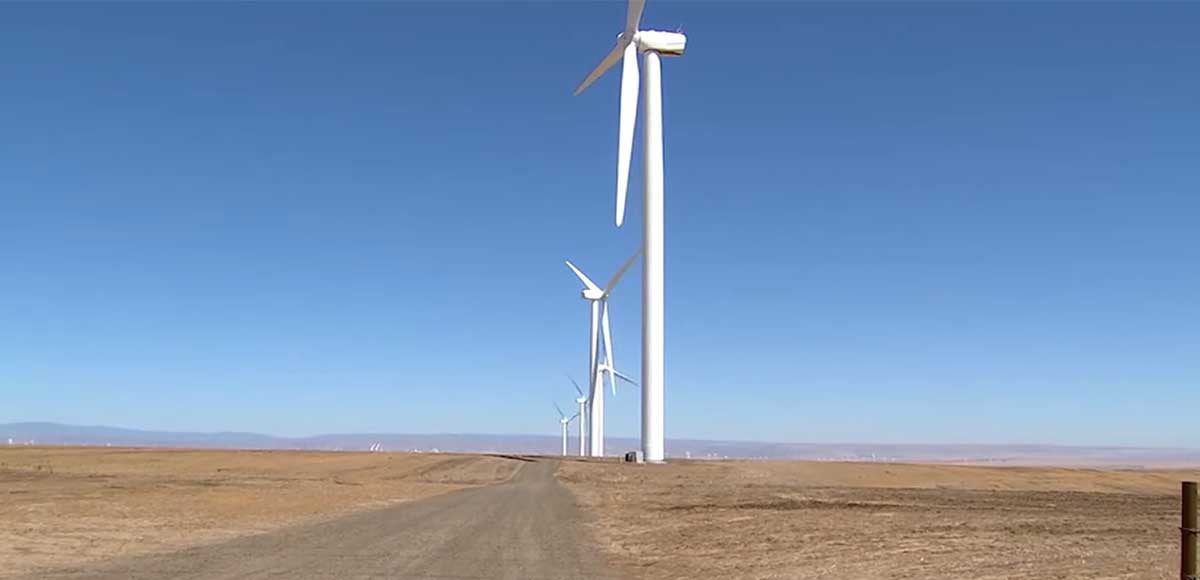
Clean energy groups nationwide- including Portland-based Renewable Northwest- filed a lawsuit on May 31 against the US Department of Defense (DoD), which the groups accuse of following an anti-wind energy political agenda by refusing to approve wind projects.
Oregon Lawsuit Against Defense Department’s Resistance to Wind Energy
The groups say in the lawsuit against the DoD that Donald Trump’s 2nd Administration treats wind energy “like an adversary rather than a regulated industry.” It alleges that the Pentagon exploits a routine process to advance an anti-wind-energy political agenda by refusing to approve wind projects.
Wind energy accounted for about 11% of the country’s utility-scale electricity generation last year.
Locally, Portland General Electric (PGE) included wind energy that made up about 13% of its resource mix in 2025. About 15% of PacifiCorp’s energy mix came from wind energy in Oregon in 2024.
Source: Pacific Power 2024 Oregon fuel mix bill insert
Dailytidings.com
A halt in federal wind project reviews could impact reliability in the Northwest. Yet numerous wind projects are currently on hold, including at least six projects in Oregon.
Renewable Northwest said the department’s halt on approvals for new wind energy projects affects over 100 land-based wind projects across 21 states, putting 30 gigawatts and $50 billion in investment at risk nationwide.
Source: Associated Press summary of Charles River Associates analysis
Dailytidings.com
The May 31 lawsuit, Renewable Northwest v. Hegseth, challenges a de facto moratorium on US wind energy permitting.
The plaintiffs allege the DoD has unlawfully frozen the Siting Clearinghouse review process since August 2025, effectively blocking the Federal Aviation Administration from issuing required hazard determinations for over 125 projects nationwide.
By refusing to finalize mitigation agreements or meet statutory 75-day review deadlines, the DoD is accused of violating the Administrative Procedure Act.
For Oregon- a state with aggressive renewable energy goals that rely heavily on utility-scale wind development- this federal gridlock is particularly disruptive.
With developers unable to secure federal sign-offs, critical Pacific Northwest projects remain stalled, jeopardizing regional energy stability and climate commitments.
Much like recent judicial rebukes of similar anti-wind executive actions in New York v. Trump, this case seeks to compel the DoD to resume its legal duty and restore a predictable, timely approval pathway.