
Oregon Bill Will Protect Residents From Subsidizing the Cost of Large-Scale Electricity Users Like Data Centers

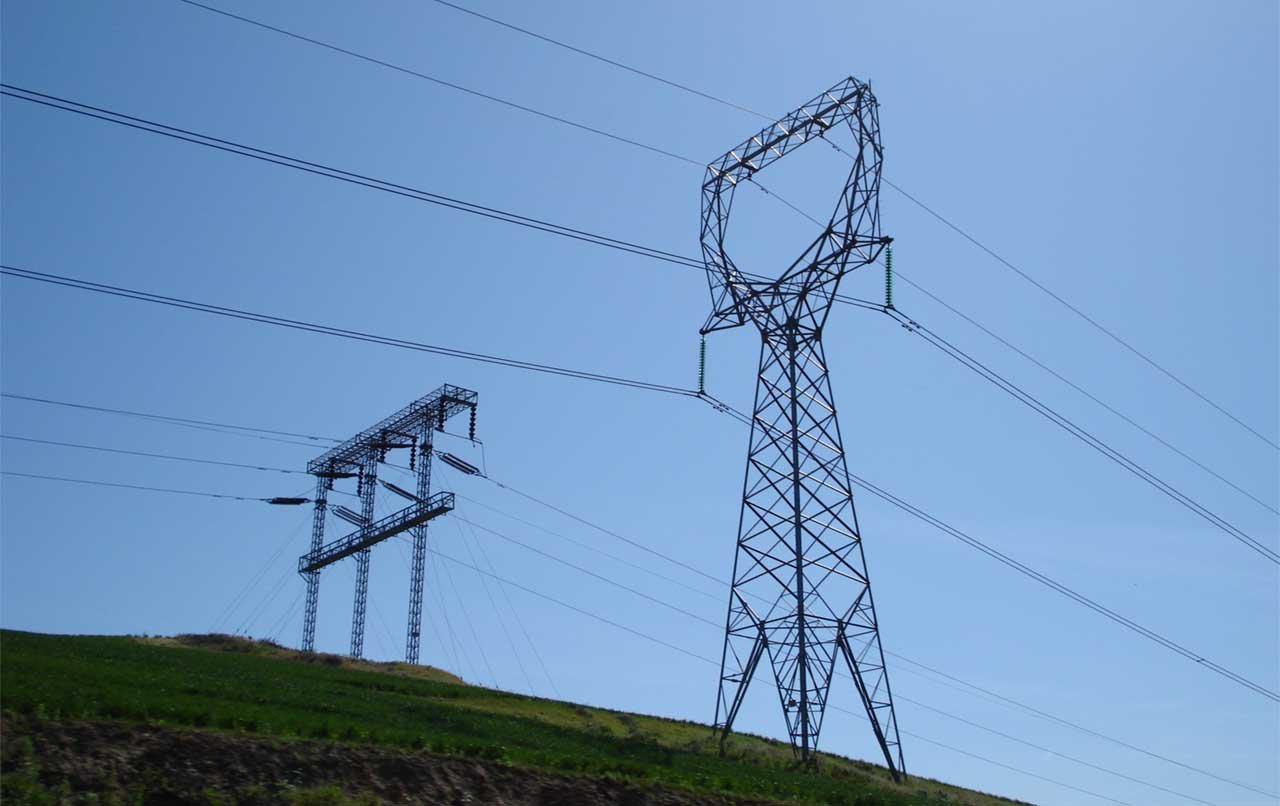
While large data centers have been encouraged to operate in Oregon with attractive incentives like tax reductions, residents and small businesses have helped foot the bill for the huge amounts of electricity these operations consume.
The PUC Will Create Separate Tariff Rates
However, the House of Representatives aimed to rectify the situation when it passed House Bill 3546 yesterday, instructing the Public Utility Commission (PUC) to create separate tariffs for households and large-scale energy users.
Source: Oregon Legislature / OLIS, Enrolled House Bill 3546 (2025)
Dailytidings.com
The Citizens’ Utility Board says a 30-megawatt data center uses the same amount of energy as a city like Ashland, while large AI centers can consume the energy it would take a city like Eugene a year to use.
Together, these industries consume 11% of all the electricity generated in Oregon.
| Sector | Approx share of Oregon electricity sales (2024) | Why it matters here |
|---|---|---|
| Residential | About one third | This is the rate class the bill aims to shield from large load system costs |
| Commercial | About two fifths | Many small businesses sit here, also exposed to broad cost shifts |
| Industrial | About one fourth | HB 3546 splits out an extra large load class from the broader industrial bucket |
| Transportation | Minor amount | Not central to the bill, but growing as Oregon electrifies |
There Was a 6,500% Increase in Power Generation by Portland Utility in 2023
Illustrating the rapid growth of these industries is the 6,500% increase in the amount of power generated for their use by Portland General Electric in 2023, compared to the previous 10 years.
The power utility provided in more than one million megawatt hours to server farms during that period, and forecasts further increases in data center power consumption in the foreseeable future.
HB 3546 defines large power consumers as industries using, or capable of using, upwards of 20 megawatts.
Lawmakers heard power utilities must continuously upgrade infrastructure and services, at a cost of millions of dollars, to keep pace with demand.
The bill allows PUC to allocate these overheads to large-scale consumers instead of spreading the cost across all electricity users. This move will protect residents and small businesses from overly burdensome rate hikes.
Data Centers Will Have to Sign Contracts for a Minimum of 10 Years
Data and AI centers will also have to sign contracts of at least 10 years with their power supply utilities. The contracts will include minimum payment commitments, irrespective of whether or not they use all the power requested.
The long-term contracts will give power utilities a safety net to invest in new infrastructure and services without the risk of financial losses.
The House Bill has been welcomed by Oregon Governor, Tina Kotek, who says that she will sign the legislation into law the moment it arrives on her desk.