
Klamath River Dam Removal Was Not an Instant Cure as Fish Parasite Threatens Young Salmon

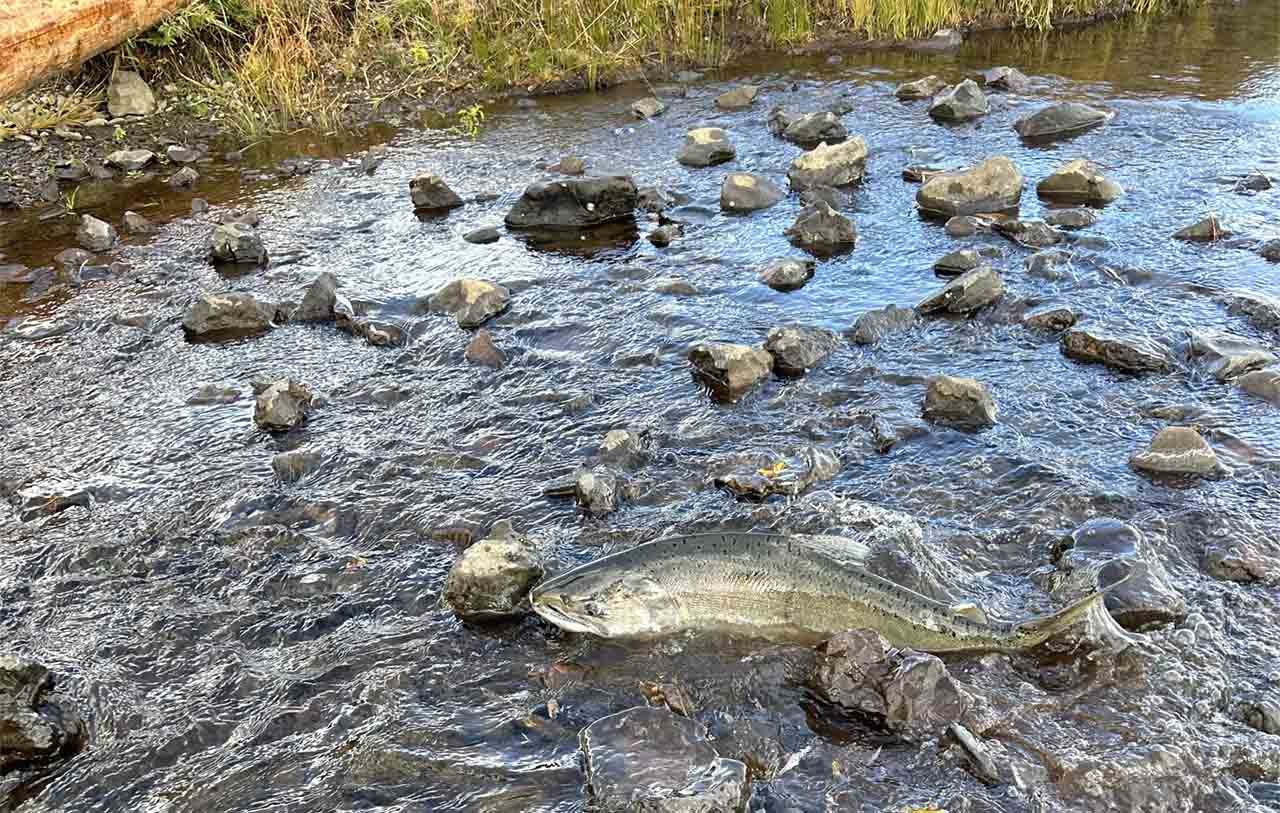
KLAMATH COUNTY, Ore. — Monitoring of the Klamath River continues after elevated levels of a potentially dangerous fish parasite were detected. The Karuk Tribe confirmed that the river still needs time and water to heal following the dam removals.
Klamath River in Healing Process Despite Fish Parasite
A fish parasite, Ceratonova shasta (C. shasta), that can cause serious disease in juvenile salmon was detected at the Klamath Dam, and is occurring during a difficult water year marked by low snowpack, early snowmelt, low flows, and high water temperatures.
These conditions can increase stress on juvenile salmon and create more favorable conditions for disease transmission.
But the Karuk Tribe has emphasized that the removal of the Klamath River dams remains a historic and necessary step toward salmon recovery.
Sources: Klamath River Renewal Corporation and NOAA Fisheries
Dailytidings.com
Strong adult salmon returns have occurred, and there has been a significant outmigration of juvenile salmon from river reaches that had been devoid of salmon for a century.
Karuk Vice Chairman Kenneth Brink said, “But no one should confuse dam removal with an instant cure.”
The Tribe views the parasite’s presence as a sign that the river is still in the early stages of healing, and that recent disease detections should not be interpreted as evidence that dam removal has failed.
The occurrence demonstrates the complexity of river recovery after more than 100 years of altered flows, blocked habitat, degraded water quality, and disrupted ecological processes.
Karuk Senior Biologist Toz Soto confirmed that the Klamath is recovering, but it is not yet recovered fully.
Salmon are now using their historic range, including areas with cold spring water, but this year’s historic low flows and associated warm-water conditions are hard on young fish and can increase the risk of disease.
Soto noted that large numbers of wild juvenile salmon migrated out to sea before disease rates peaked, and that most of the dying fish appeared to be from the Fall Creek Hatchery.
The US Fish & Wildlife Service is also working collaboratively with the Arcata Fish and Wildlife Office (AFWO) and the Karuk and Yurok tribes to monitor the prevalence of Ceratonova shasta infections in juvenile salmon in the Klamath River.
| Lead lab support | California Nevada Fish Health Center |
| Field sampling | AFWO, Karuk and Yurok biologists |
| Test method | QPCR testing of juvenile Chinook |
| Key measures | Infection prevalence and DNA copy number |
| Goal | Regular updates during outmigration |
Source: U.S. Fish and Wildlife Service juvenile salmon health monitoring update
Dailytidings.com
Soto said, “One good year or one bad year will not define the future of this river.”