
Traffic Congestion in Oregon Returns to Pre-Pandemic Levels, Costing Motorists Time and Money
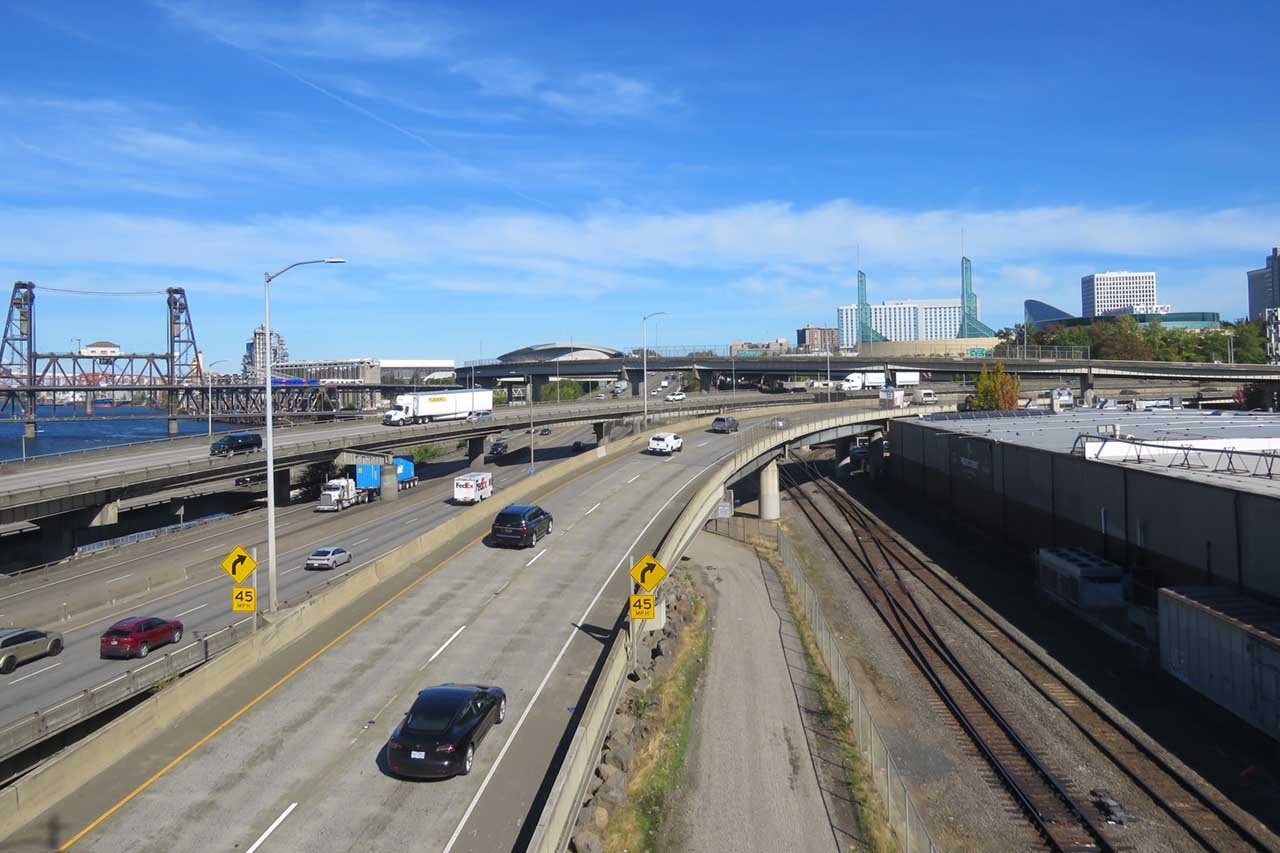
Traffic congestion throughout Oregon has returned to pre-pandemic days, but it is the Portland Metro area that costs motorists the most time and money.
On average, Portland-area commuters spend 41 hours stuck in traffic at an annual cost of $755, according to Inrix, a traffic analytics company that has released its 2025 Traffic Scorecard.
Sources: INRIX 2025 Traffic Scorecard, ODOT State-of-the-System reporting referenced in article
Dailytidings.com
According to a State-of-the-System Report by the Oregon Department of Transportation (ODOT), traffic congestion has increased statewide by 4% since 2023, reverting commute conditions to pre-pandemic levels.
However, 91% of Oregon’s 444 congested traffic corridors are in the Portland Metro area.
Highway 26 is the Most Congested Traffic Corridor in Oregon
Ranked as the most congested traffic corridor in Oregon is Highway 26, between the Highway 217 Interchange via the Vista Ridge tunnels.
ODOT confirms that the Interstate bridge and I-5 at I-84 rank as the 128th and 30th most congested truck bottlenecks.
Inrix found that last-mile speeds by motorists into downtown Portland during the morning commute slow to a crawl of 14 m.p.h., wasting time, gas, and costing businesses money.
Portland Ranks as the 25th Most Traffic Congested in the U.S.
Portland is ranked as the 25th most traffic-congested city in the U.S., and 113th globally for the worst congestion, costing drivers hundreds of dollars in gas, vehicle maintenance, and tolls.
| Metric | What your story reports | Why it matters |
|---|---|---|
| Annual delay per commuter | 41 hours | Shows Portland is back to pre-pandemic style delay levels |
| Annual cost per driver | $755 | Puts the time loss into household budget terms |
| Where congestion is concentrated | 91% of Oregon’s congested corridors in Portland metro | Explains why statewide congestion debates focus on the metro |
| ODOT long view | Population +25% vs VMT +9% since 2000 | Supports demand management, transit, and bottleneck targeting |
Inrix based its findings after analyzing traffic congestion patterns in more than 900 cities in 36 countries.
ODOT says while it cannot build its way out of traffic congestion, its focus is on relieving bottlenecks and areas with high accident rates. Its responsibility is to ensure efficient traffic flow on interstates and highways, and to connect bike-ways and walkways along those routes.
Source: ODOT State-of-the-System – Mobility page and 2023 Transportation Needs and Issues Survey
Dailytidings.com