
Thousands of Empty Affordable Homes in Portland Prove Oregon’s Housing System Is Broken
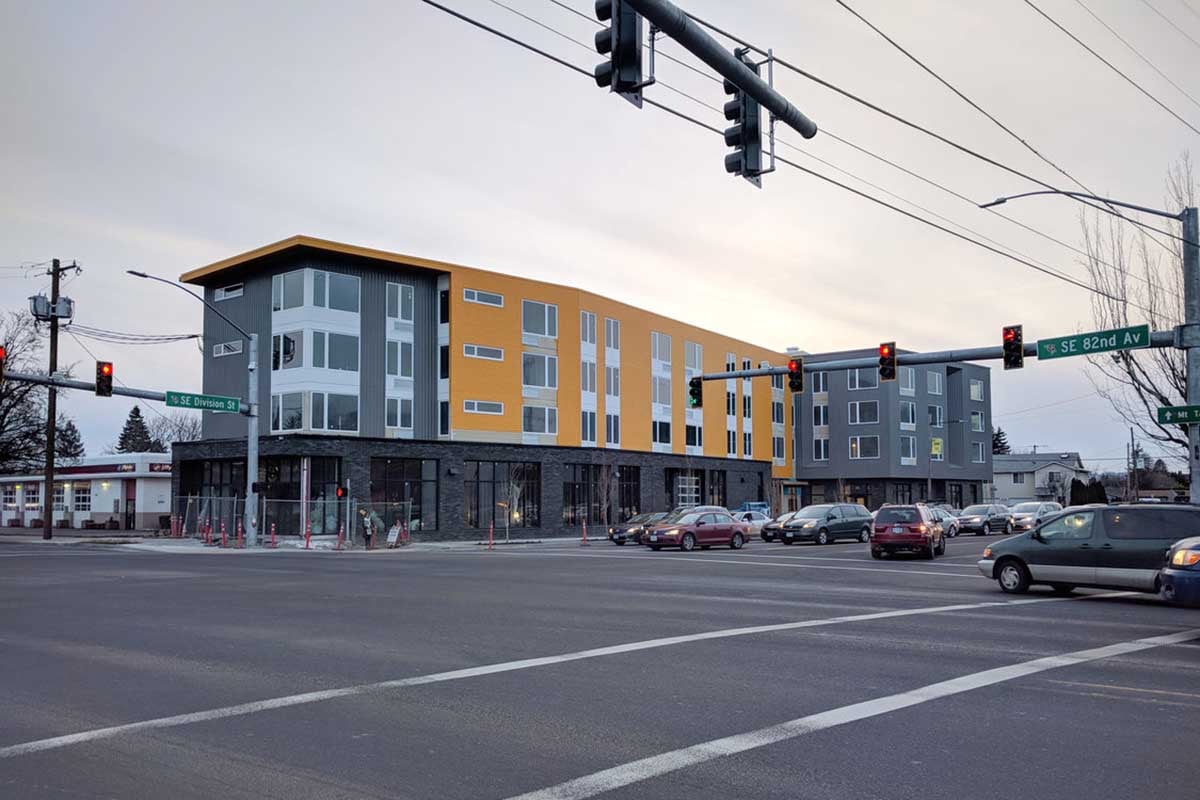
A flawed affordable housing system has resulted in 1,863 subsidized rental units standing unoccupied in Portland, while 16,000 homeless people in Multnomah County desperately need a roof over their heads.
Source: CoStar reporting and Home Forward vacancy figures referenced in this article
Dailytidings.com
Figures released by CoStar, a real estate analytics company, indicate that taxpayers continue to help finance the provision of affordable housing stock despite a vacancy rate of 7.4% of Portland’s 25,409 apartments.
Industry experts argue that the current allocation process for affordable homes is ineffective, citing factors such as administrative delays, a narrowing price gap between subsidized and market-rate units, and restrictive eligibility requirements as contributors to persistent vacancy rates among subsidized housing.
Source: Multnomah County homelessness dashboard figures reported in April 2025 coverage
Dailytidings.com
A Narrowing Rental Price Gap Drives the Increase in Vacant Homes
Apart from administrative red tape that delays occupancy, the narrowing of the price gap between market-related units and subsidized housing is the main driver of increased vacant stock.
Housing operator Reach Community Development indicates that the narrowing price gap has placed subsidized rentals in many buildings out of the reach of low-income earners.
Another problem for the subsidized housing market is that market-rate buildings generally offer better amenities and do not require annual income verification, a prerequisite for subsidized housing.
Add to that the high eviction rate of subsidized tenants who fall behind on rental payments, and you have a system that is failing the very people it is trying to assist.
Meanwhile, Portland housing officials report ongoing efforts to resolve issues causing delayed occupancy rates. In contrast, industry experts argue that a more effective solution would be for the state to offer operating subsidies, enabling affordable housing providers to reduce their debt burdens and lower rents for low-income tenants.
Nearly 50% of Portland’s Affordable Units are Rented to Tenants in the 60% Area Median Income Level
According to the most recent vacancy report, Portland’s housing authority, Home Forward, has 956 vacant affordable apartments on its books. This equates to a 14% vacancy rate, or one in seven units unoccupied.
| Metric | Figure cited | Why it matters |
|---|---|---|
| Citywide subsidized vacancies | 1,863 units | Taxpayer-supported homes not reaching renters |
| Portland subsidized vacancy rate | 7.4% of 25,409 apartments | Signals process and pricing issues, not just supply |
| Home Forward vacancies | 956 units - about 14% | One in seven units unoccupied within the county's main housing authority |
| Home Forward renters at 60% AMI | Nearly 50% | Suggests limited reach to the lowest-income households |
| Home Forward renters at 50% AMI | 29% | Middle low-income brackets filling a large share of units |
| Biggest shortage bracket | 0%-30% AMI | Where affordability gaps and homelessness pressure are most acute |
Another eye-opener is that nearly 50% of Home Forward units are rented to tenants in the 60% area median income bracket, and 29% of the units are rented to 50% area median level earners.
However, it is in the 0 to 30% area median income level where the greatest shortage of homes exists, and the continual increase in rentals is placing these units out of their financial reach.
Another hurdle for Home Forward is the funding shortfall from the U.S. Department of Housing and Urban Development, which has forced the Portland housing authority to stop its Housing Choice Voucher Program.