
Oregon’s Ron Wyden Joins Bipartisan Effort to Curb Federal Surveillance Before April 30 Deadline

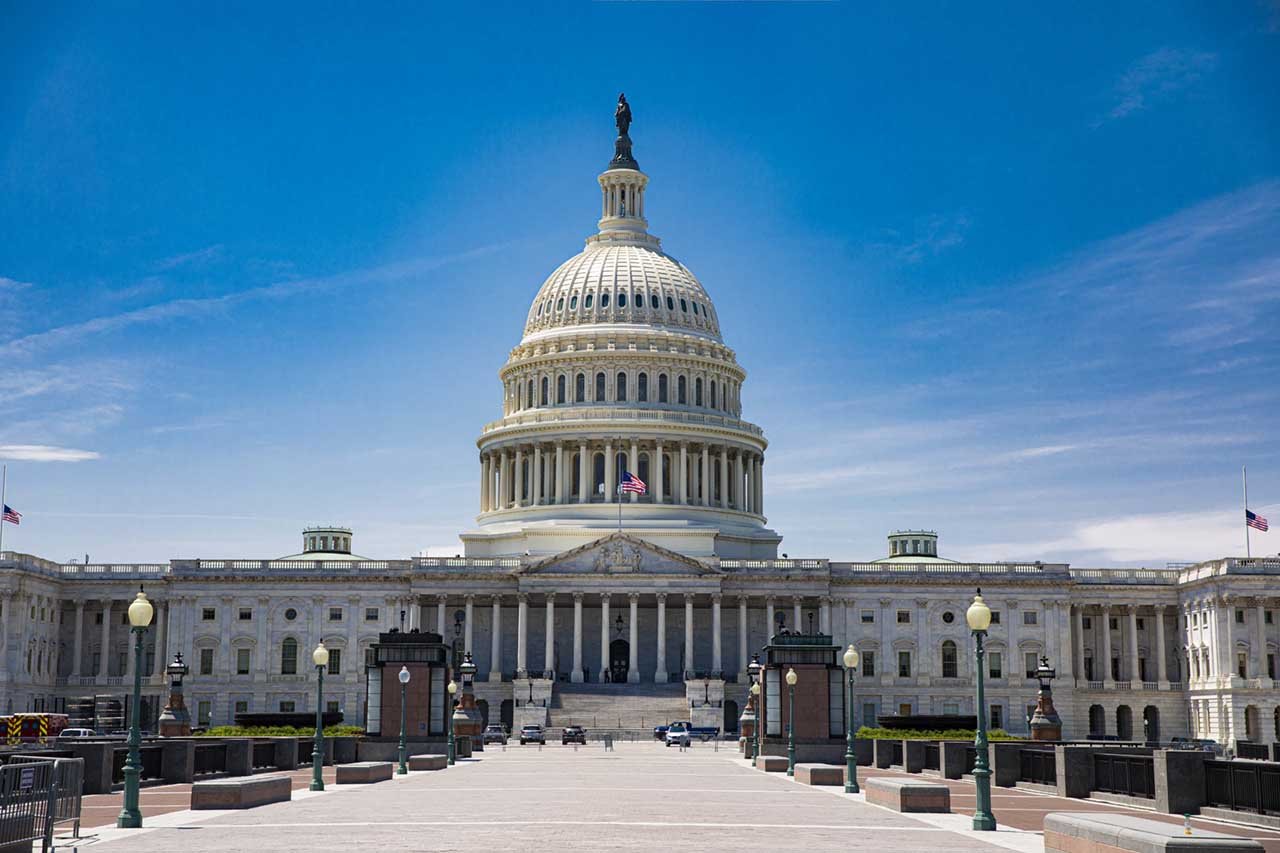
Oregon Democratic Sen. Ron Wyden and Kentucky Republican Thomas Massie are both fighting an attempt by the federal government to ‘unconstitutionally spy on Americans.’
This comment by Massie on X followed a late-night session in which lawmakers tried to pass what Massie terms as ‘two bad versions’ of the Federal Intelligence Surveillance Act (FISA), which will allow the federal administration to spy on American citizens.
Last night between midnight and 2am, they tried to pass two bad versions of FISA…
Both would have allowed Feds to unconstitutionally spy on Americans.
We stopped both versions, but the fight isn’t over. Eventually, it was decided to give them two more weeks to fix FISA. https://t.co/VkckZwH5j4
— Thomas Massie (@RepThomasMassie) April 17, 2026
Oregon Senator Ron Wyden is now trying to force reforms before the new April 30 deadline.
I just viewed 2 Top Secret FISA docs.
1) FISA Court opinion that raises serious concerns about FBI implementation of FISA 702.
2) letter by Senator Wyden describing a secret government interpretation of FISA law.
The Constitution requires I vote No on FISA 702 reauthorization.
— Thomas Massie (@RepThomasMassie) April 16, 2026
Massie, from Kentucky, said the attempt to pass the two FISA regulations would preserve the government’s ability to search Americans’ communications without sufficient limits.
Section 702 of FISA Allows Intelligence Agencies to Spy Without a Warrant
The dispute centers on Section 702 of FISA, described by Massie as ‘unconstitutional,’ which allows U.S. intelligence agencies to collect foreign intelligence without a traditional warrant. Critics have long argued that Americans’ calls, emails, and messages can be swept up in the process.
Congress could not reach a long-term solution this month, instead granting a short extension to April 30. In the interim, the surveillance law remains in place.
Oregon Sen Ron Wyden says senators should reject any move that hands over surveillance authority without strong protections for American citizens.
He points to a growing concern over how often domestic communications can be searched under the program.
With the new deadline approaching, Wyden and Massie are now part of the same broader push from opposite chambers to force changes before Congress approves anything more permanent.