
Oregon Judge Blocks Trump Policy on Salmon Protections and Warns the Columbia River Faces Irreparable Harm
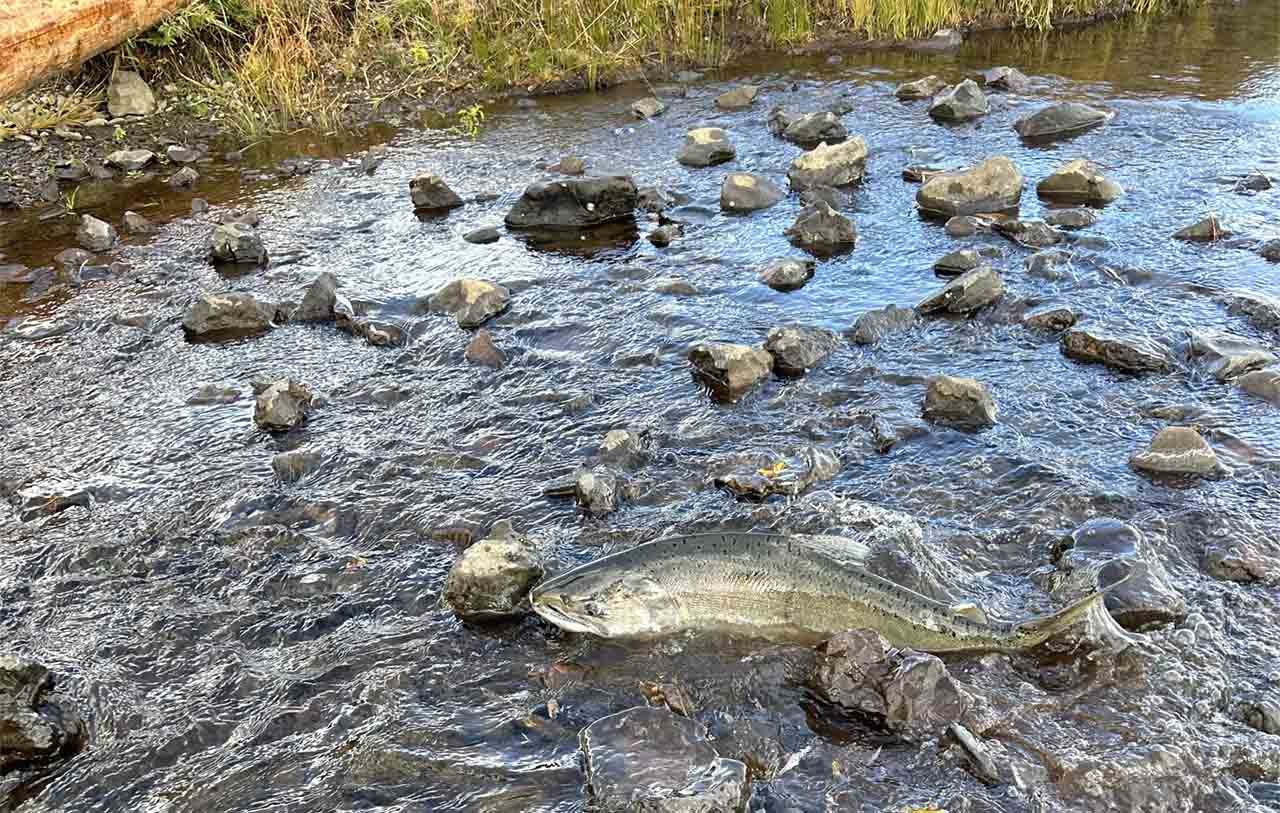
A federal judge again rejected the government’s plans on Wednesday in his ruling that immediate operational changes be effected by the federal government to prevent irreversible harm to the Columbia River salmon.
Court Rules Columbia Basin Salmon Protections Must Be Reinstated
After 25 years of litigation over Columbia River salmon, Judge Michael H. Simon granted a preliminary injunction to the Plaintiffs against the National Marine Fisheries Service, US Army Corps of Engineers, US Bureau of Reclamation, and US Fish and Wildlife Service. He found that the latest federal strategy, the 2020 Biological Opinion, repeats the same legal errors courts have struck down for decades.
Source: NOAA Fisheries 2020 Columbia River System Biological Opinion page / US Army Corps Columbia and Snake River navigation locks release
Dailytidings.com
As salmon populations have dwindled to quasi-extinction levels (the population has 50 or fewer natural-origin spawners for four consecutive years), Judge Simon noted that “For decades, the battle for the life of threatened and endangered salmon and steelhead has not been fought at the end of a hook and line, nor in the woven threads of a fishing net. Instead, the greatest battle has been waged in the courts.”
The judge found that the First Trump Administration’s 2020 Biological Opinion repeats fatal flaws from earlier rejected plans- including the previously struck down 2004 BiOp- and said the plan could not succeed for at least four reasons:
- The BiOp’s jeopardy analysis improperly considered the environmental baseline, resulting in a flawed analytic approach that is both impermissibly comparative and unacceptably limited.
- The BiOp’s jeopardy analysis impermissibly relies on uncertain benefits.
- The BiOp does not properly account for climate change.
- The BiOp fails properly to engage in a recovery analysis.
On climate change, the court found federal agencies failed to account for compounding harms, as the government’s own modeling shows that the harm caused by the proposed action is significantly greater when climate change is considered.
The judge regards the evidence of irreparable harm as overwhelming, including that the species’ prognosis is “as bad as—or worse than—it has ever been.”
The judge rejected the Administration’s arguments that intermittent strong returns signal recovery.
He also emphasized that federal obligations to tribes heighten the public interest in relief, saying “Upholding the promise of these treaties is a vital public interest, not least because, like other treaties, they form part of the ‘supreme law of the land.”
The ruling orders increased spill and lower reservoir levels—not dam removal. But the message is clear: after 25 years, the government’s approach remains fundamentally broken.
With salmon at “quasi-extinction” levels and tribal treaty rights hanging in the balance, the court has made clear that business as usual must end.
Governor Kotek Welcomes Court Ruling On Columbia Basin Salmon
Oregon Governor Tina Kotek welcomed the court order directing the restoration of salmon protections on the Columbia and Snake Rivers, calling it a win for the future sustainability of endangered salmon and for the sovereign tribal nations who have fought for generations to protect them.
Here is where the eight main lock dams sit on each river:
| River | Dam | River mile |
|---|---|---|
| Columbia | Bonneville Dam | 145 |
| Columbia | The Dalles Dam | 191 |
| Columbia | John Day Dam | 216 |
| Columbia | McNary Dam | 292 |
| Snake | Ice Harbor Dam | 10 |
| Snake | Lower Monumental Dam | 41 |
| Snake | Little Goose Dam | 70 |
| Snake | Lower Granite Dam | 107 |
She confirmed that the ruling establishes dam operations similar to those over the past five years, with some modest adjustments in spill and reservoir elevations to reduce the harm to migrating salmon and steelhead.
The governor also highlighted that recent preliminary analysis by the Northwest Power and Conservation Council found this will have modest impacts on power generation and supply.