
Oregon Hazelnut and Specialty Crop Farmers Could Land a Big Share of the New $12 Billion Tariff Aid
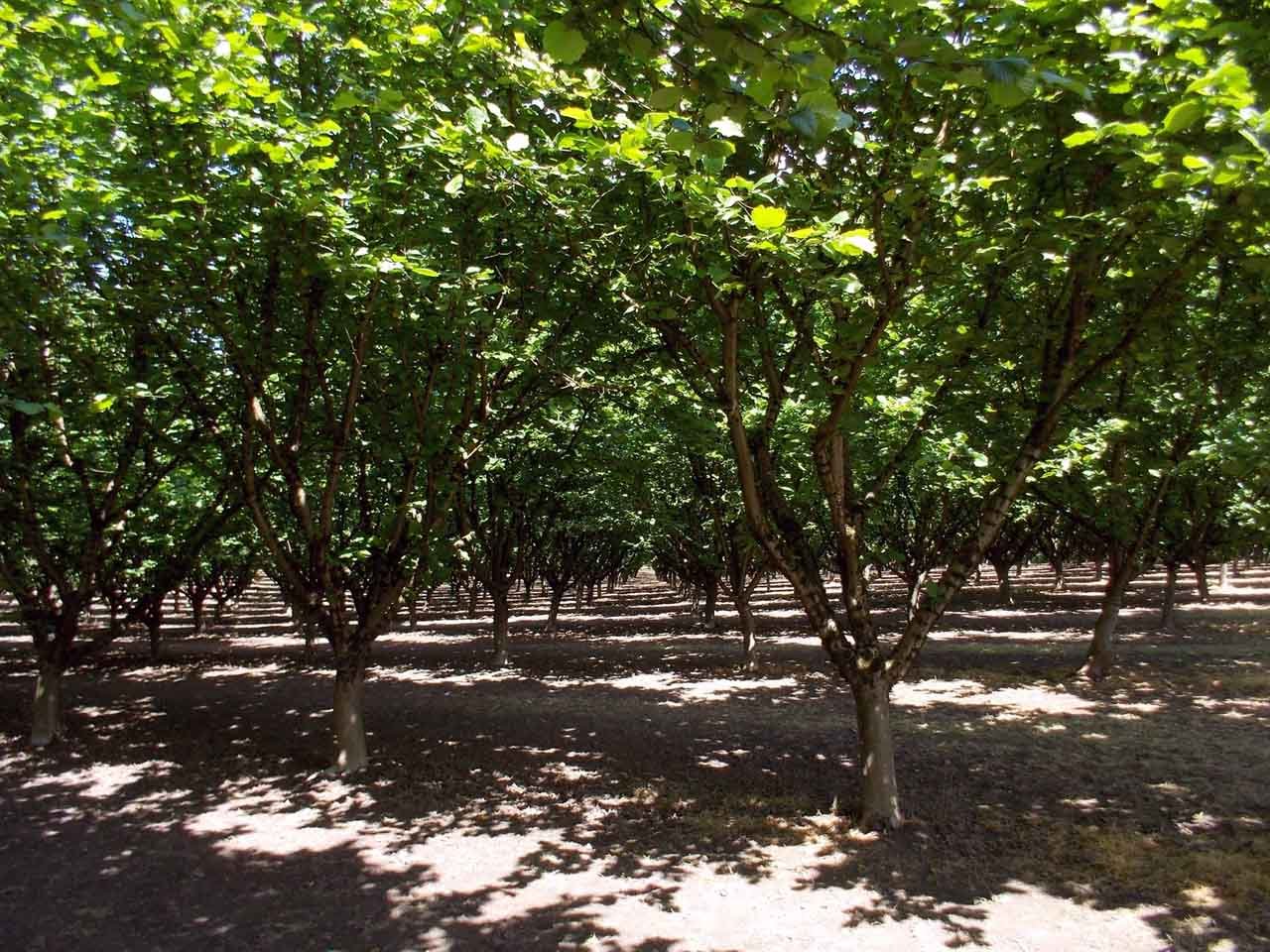
Oregon hazelnut and other specialty crop farmers are in line for a significant chunk of the $12 billion the federal government has set aside to bridge increased agricultural production costs fueled by the uncertainty surrounding tariff increases.
Oregon has a $2 billion annual turnover of agricultural goods to overseas buyers, making the state sensitive to tariff swings.
As producers of 99% of all hazelnuts farmed in the U.S., and with a diverse basket of specialty produce, Oregon should qualify as a major beneficiary for a slice of the $1 billion bridge finance package set aside for this sector of the farming industry.
Tariff Anxiety and Market Uncertainty
Oregon food and agricultural leaders are concerned that tariff wars will significantly hurt their livelihoods and severely impact the U.S. agricultural sector.
Their concerns follow President Donald Trump’s decision in early March to impose a 25% across-the-board tariff on all imports from Canada and Mexico. He also slapped an additional 10% tariff on all Chinese goods entering the U.S.
The State’s Hazelnut Industry Produces 99% of the U.S. Annual Output
Oregon’s annual hazelnut production exceeds $110 million at the farm-gate level. Each year, the state produces approximately 96,800 tons of hazelnuts, valued at $162.6 million.
The state produces 99% of all hazelnuts grown in the U.S., with 97,0000 acres under cultivation, involving about 1,000 families.
Source: Oregon Department of Agriculture Top 20 commodities and OSU Extension hazelnut industry overview
Dailytidings.com
Oregon is a Specialty Crop Powerhouse
Oregon is home to a diverse agricultural industry that produces over 220 different commodities every year.
As a top producer of hazelnuts and seed grass, the state’s specialty bucket includes hazelnuts, blueberries, Christmas trees, pears, onions, sweet cherries, hops, potatoes, and ornamental nursery products.
The production value of greenhouse and nursery stock in 2022 exceeded $1.2 billion.
Oregon’s Export Oriented Farm Economy Faces Tariff Risk
In addition to hazelnuts, Oregon farmers cultivate a wide variety of specialty crops—including Christmas trees, berries, grass seed, hops, ornamental nursery stock, pears, and wine grapes—solidifying the state’s status as a leader in premium crops and horticulture.
Source: USDA NASS Oregon facts and figures commodity values for 2022
Dailytidings.com
The U.S. Department of Agriculture (USDA) has announced the $12 billion bridge finance package to assist American farmers impacted by trade disruptions.
The USDA states that the bridge payments will assist farmers until investments from the One Big Beautiful Bill Act (OBBBA) reach eligible farmers at the beginning of October in 2026. Increases of between 10% to 21% are expected for crops such as corn, soybeans, and wheat.
The bulk of the bridge financing – $11 billion of the $12 billion – will be channeled to row crop farmers of barley, chickpeas, corn, cotton, lentils, oats, peanuts, peas, rice, sorghum, soybeans, wheat, canola, flax, and seeds such as mustard, rapeseed, sesame, and sunflower.
Deadline for Bridge Finance Applications is December 19
Qualifying Oregon farmers have a deadline of December 19, 2025, for bridge finance payments to reach them by February 28, 2026. Farmers must ensure that acreage reporting is factual and accurate.
| Item | What USDA says | Why Oregon specialty growers care |
|---|---|---|
| Program size | $12B total bridge payments in 2025-26 | Creates a $1B carveout for specialty crops |
| Acreage reporting deadline | Dec 19, 2025 at 5 p.m. ET | Accurate 2025 acres determine eligibility and rates |
| Expected payment timing | Payments targeted by Feb 28, 2026 | Cash flow help ahead of the 2026 season |
| Longer-term bridge to OBBBA | Reference price boosts for covered crops begin Oct 1, 2026 | Specialty growers rely more on the separate $1B pool |