
Oregon Could Soon Regain Control Over Gray Wolf Management as Congress Moves to End Federal Protection
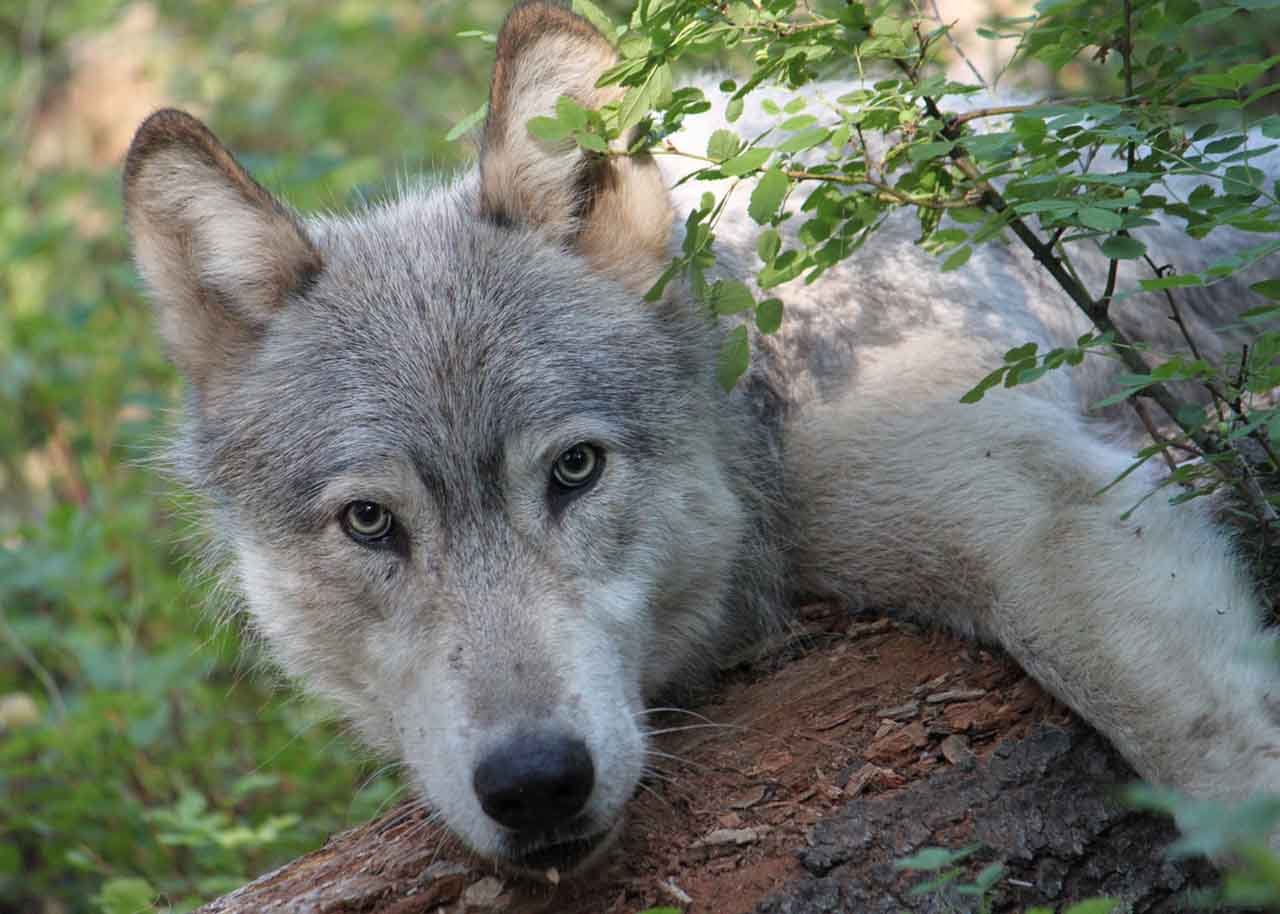
Gray Wolves may soon be removed from federal protection and enjoy state protection. The Pet and Livestock Protection Act passed the House of Representatives yesterday with bipartisan support, restoring wildlife management authority to state agencies.
Gray Wolf Delisting From Federal Protection List
Bill HR 845 directs the Department of the Interior to remove ‘protections’ for the Gray Wolf (Canis lupus), considered an endangered species for 50 years, under the Endangered Species Act of 1973 (ESA) under the List of Endangered and Threatened Wildlife, published on November 3, 2020, under the first Trump Administration.
Source: Congress.gov H.R. 845 bill text and actions
Dailytidings.com
The bill removes the gray wolf in the lower 48 states but excludes the Mexican wolf (C. l. baileyi) from the endangered and threatened species list.
After 6,000 gray wolves were projected on the federal list, the first Trump Administration argued that they were no longer under threat.
The Biden administration then reopened petitions to re-list the wolves. In California, the District Court vacated the rule on February 10, 2022, restoring the gray wolf’s protection status prior to its promulgation.
Federal protection has received sharp criticism, and the bill would federally delist the wolf in the last states that effectively manage wolf populations rather than exterminate them. Many believe the federal government’s approach to gray wolf management has failed.
In Alaska, which is home to at least 7,000 gray wolves, wolves have never been listed under the ESA.
Source: Oregon Department of Fish and Wildlife / Oregon Wolf Population table
Dailytidings.com
A USDA 2010 survey showed wolves were responsible for about 8,100 cattle deaths (1.3% of predation losses)
A 2024 Montana Fish, Wildlife & Parks report indicates that 25 to 100 cattle and a smaller number of sheep fell prey to gray wolves each year. Still, predation numbers have declined in recent years. Hunters and trappers also kill roughly 300 wolves a year in the state.
Delisting advocates, including the National Cattlemen’s Beef Association and the Public Lands Council, support the legislation to delist the wolf. Wildlife conservation groups say non-lethal deterrents have been proven to keep wolves away from livestock, pets, and wildlife, and have criticized the bill.