
Oregon Bill Aims to Hide Lottery Winners’ Identities While Cracking Down on Discount Ticket Sales for Tax Evasion
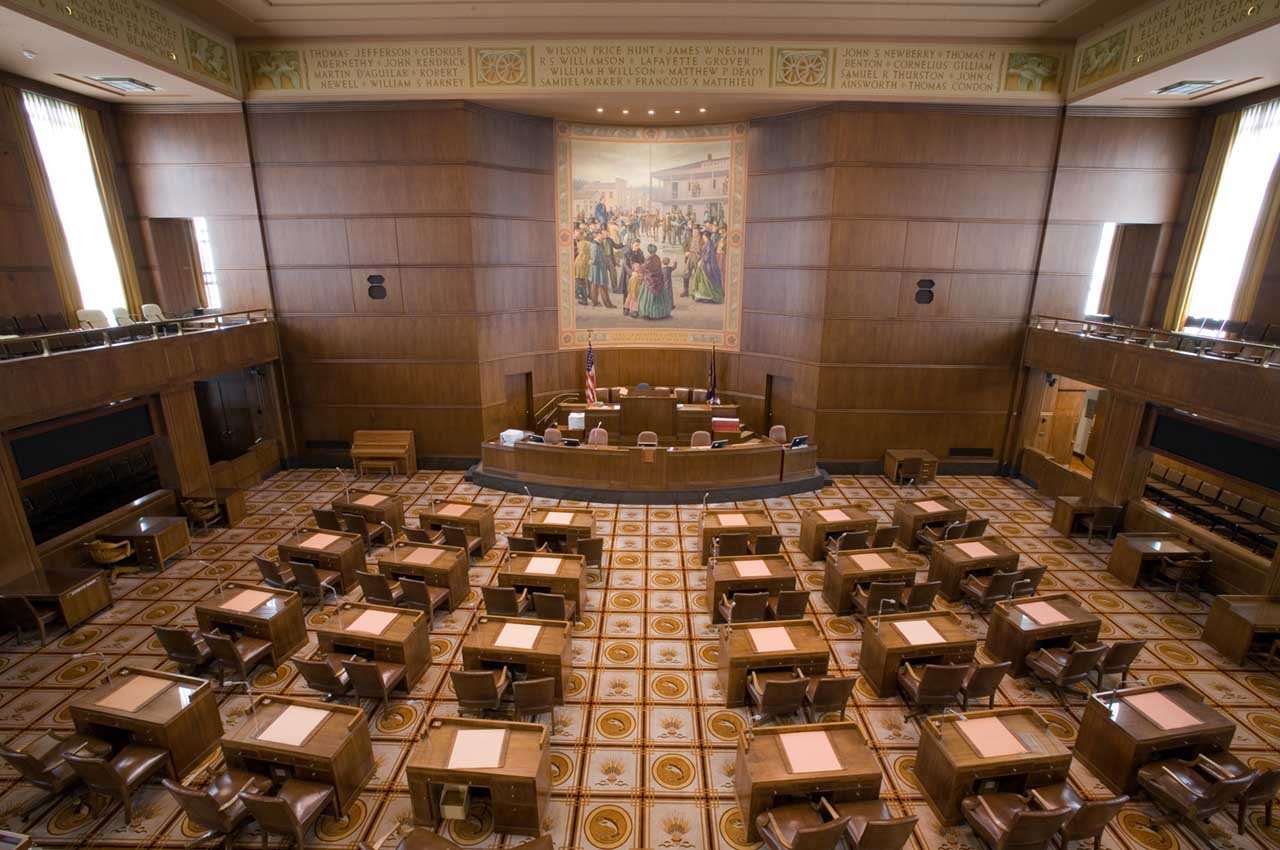
The names of people winning Oregon lotto games will be kept anonymous if a State Senate Bill is passed.
Oregon, like 23 other states, allows public disclosure of lottery winners. The ruling was regarded as integral to transparency and public trust.
The anonymity decision has been criticized by observers who believe accountability by lottery officials could be shielded.
Lotto Revenues Last Year Were $1.7 Billion
Here is how the Oregon Lottery operates today and where the money goes.
Sources: Oregon Lottery annual report and audit – retailer data and player research
Dailytidings.com
The Oregon Lottery began in 1985 and in 2024 revenues were $1.7 billion. After prize payments and expenses, the lottery generated an income of $942 million that supports various state and veteran services, schools, parks, and economic development.
The lottery reform bill aims to stop lottery prize winners from selling their tickets to third parties at a discount, allowing opportunists to redeem tickets at face value.
This followed the exposure by a local news network that winnings amounting to millions of dollars were paid locally to ‘opportunists’ who bought winning tickets from original owners at discount prices and sent the winnings to a business in Australia.
Investigators discovered that the Oregon Lottery had created a cottage industry that bought millions of dollars worth of tickets from the original owners at 50 cents to 80 cents on the dollar.
They revealed that this practice enabled the ‘opportunists’ to evade tax on the full value of the prize.
Here is how each Oregon Lottery dollar is divided between prizes, the state and operating costs.
Source: Oregon Lottery audited financial statements for the latest fiscal year
Dailytidings.com
The Names of Frequent Winning Tickets Sent to the IRS
Investigators said workers at Oregon Lottery were aware of the practice, and in 2023 began sending a list of the names of claimants winning on multiple occasions to the Department of Revenue.
The local news investigators made known that they had identified an Australian company that operated a duplicate lottery in Australia and sold Powerball and Mega Millions lotteries to players in New Zealand and Australia.
According to investigators, the company purchased tickets at a Beaverton bar that were identically numbered. They found that the Pit Stop Sports Bar & BBQ Grill became the largest retailer of the two lottery games in the state.
The investigation also revealed that a ‘Mike Platzer’ had made 104 claims over five years for winning tickets amounting to $4.8 million in prize money.
Here is a quick timeline of how frequent winners and discounted tickets pushed Oregon toward reform.
- 1985: Oregon Lottery launches to fund public programs.
- 2010s: Discounting of winning tickets quietly spreads among some retailers and brokers.
- 2023: Local investigation exposes frequent winners and the Australian-linked ticket scheme.
- 2023: Lottery begins sending names of frequent winners to the Department of Revenue and tightens retailer rules.
- Current session: Lawmakers debate an anonymity bill while pushing for stricter oversight of prize claims.