
Nike Joins 76 Footwear Brands Urging Trump to Exempt Shoes from Devastating Reciprocal Tariffs
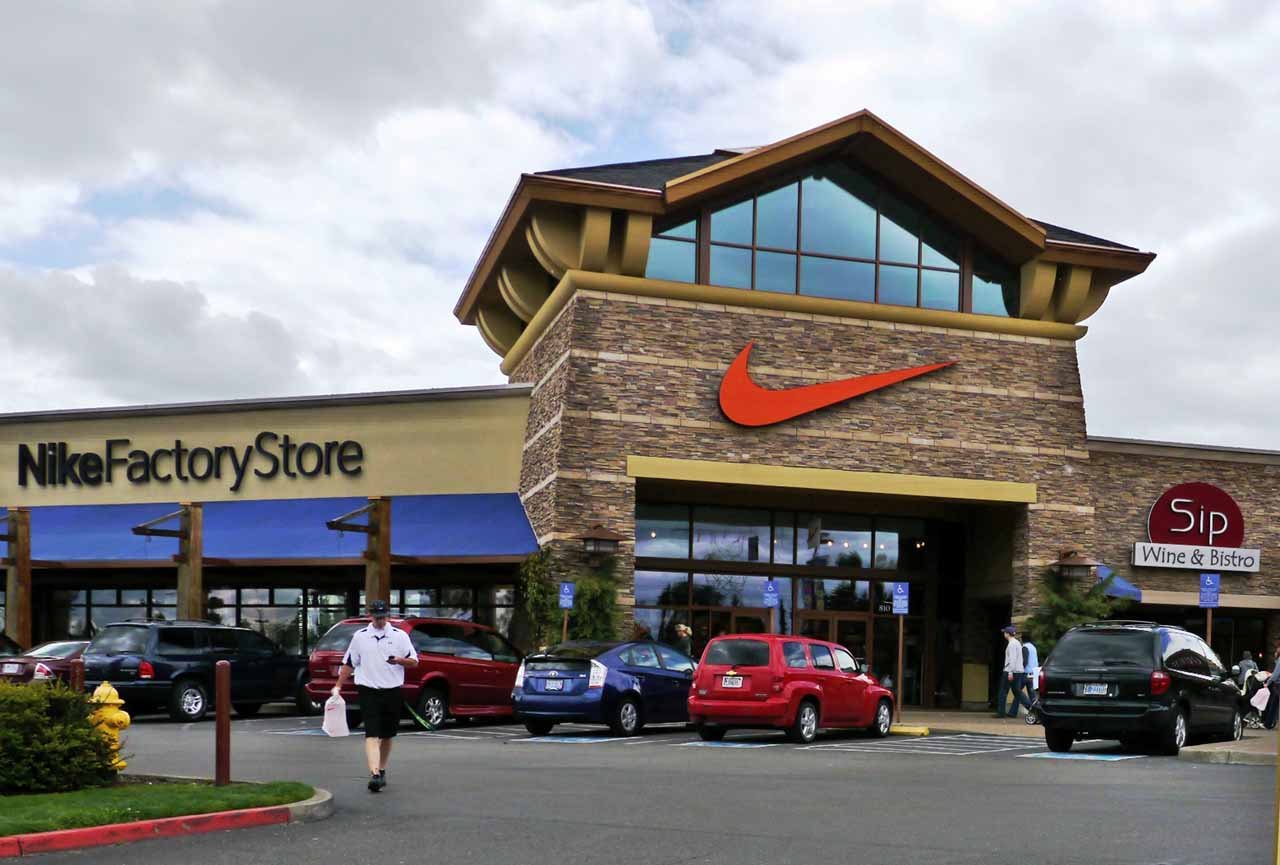
Footwear giants Nike and Adidas added their brands to a letter from 76 footwear brands to Trump asking for exemption from reciprocal footwear tariffs.
Footwear Brands Want Tariff Exemption
The Footwear Distributors and Retailers of America (FDRA) issued a formal letter requesting an exemption from tariffs on April 29.
76 major footwear companies, including Nike, Adidas, Puma, Skechers, and Crocs, asked that Trump exempt all footwear from the administration’s reciprocal tariff plan introduced in early April that is expected to devastate American companies and drive up consumer prices, yet still won’t bring manufacturing back to the U.S.
Source: FDRA letter to President Trump, April 29, 2025
Dailytidings.com
President Trump introduced the plan imposing new duties on imports from most countries, with rates reaching as high as 145% on consumer goods, including footwear.
| Country | Reported reciprocal rate (April 2025) | Why footwear brands care |
|---|---|---|
| Vietnam | 46% | Largest athletic shoe production base for several major brands |
| Indonesia | 32% | Second major hub for performance and lifestyle footwear |
| China | 34% plus other existing China tariffs | Still a large share of global shoe capacity and U.S. imports |
| Cambodia | 49% | Growing sourcing alternative for value-focused brands |
Although tariffs on most countries have been paused for 90 days for negotiations, China was excluded from the pause, and higher duties on Chinese-made shoes are already in effect. The FDRA letter calls for footwear from all sources to be fully exempt, not just those from China.
Source: Nike FY2024 supply chain disclosures as summarized in April 2025 reporting
Dailytidings.com
According to the FDRA, before the new tariffs plan, footwear was already one of the most heavily taxed consumer categories- including base tariffs of 20% – 37,5% on children’s shoes. Adding reciprocal tariffs means some brands now face duty rates between 150% and 220%. Many feel tariffs on shoes are a tax on working families.
China’s Commerce Ministry indicated it is evaluating a possible return to trade talks with the U.S. In the meantime, companies don’t know how they’ll pay the unexpected duties on products already arriving at U.S. ports, leaving cash flow, staffing, and future production at risk. The industry could be negatively affected for the rest of 2025 and beyond.
- Apr 2, 2025 – Trump signs Executive Order launching reciprocal tariff policy.
- Early Apr 2025 – Higher country rates begin rolling out.
- Apr 29, 2025 – FDRA sends letter signed by 76 brands seeking footwear exemption.
- May 2025 – Industry warns of price spikes and supply disruption for 2025 back-to-school cycle.