
Oregon’s Controversial Drone Rules Get a Public Hearing Today as Wildlife Advocates Request Stronger Safeguards
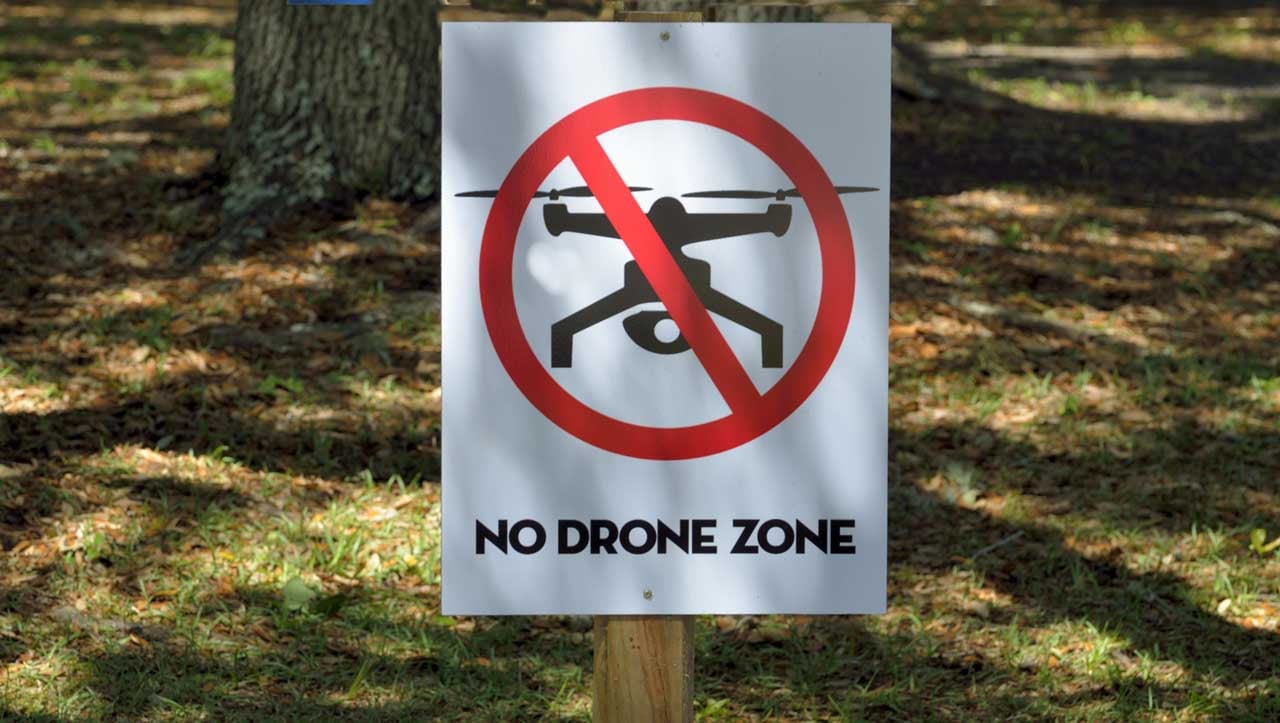
The drone takeoff and landing policies initiated by the Oregon Parks and Recreation Department (OPRD) in 2022, which have been subject to public scrutiny, reach the next level today (January 20) at a virtual public hearing midway through the public comment period, which runs from January 1 to February 15.
Drones In Oregon State Parks: Public Hearing & Comments
Rulemaking was paused after the initial public engagement and discussion with the Oregon State Parks and Recreation Commission at its April 13, 2022, meeting to consider public feedback and strengthen the framework guiding future rules around drones (unmanned aircraft systems).
In the meantime, an ORPD internal work group with expertise in recreation management, natural resource protection, and visitor use considerations was charged with developing criteria to help identify where drone takeoff and landing may be appropriate on park property and along the ocean shore.
Rulemaking resumed in 2025 under a new Rule Advisory Committee (RAC) comprising representatives from recreation user groups, conservation organizations, natural resource specialists, and other stakeholders.
These are the terms OPRD is using to define where drones can operate:
| Term | What it means in the draft rules |
|---|---|
| Unmanned Aircraft System (UAS) | Drone as defined in Oregon law (ORS 837.300) |
| UAS Operation Area | A designated site shown on an official map where UAS can operate, subject to posted conditions |
| UAS Pass | Authorization for one UAS to operate in a designated launch area on a specific date |
| Park Property | Any state park area under OPRD jurisdiction, including trails and corridors |
| Closed Area | A park or portion of a park closed to public entry, marked by signs, website notice, or staff instruction |
OPRD has now filed the proposed drone rules with the Oregon Secretary of State and is currently accepting public comment to review and refine them before presenting them to the Oregon State Parks and Recreation Commission.
Source: Oregon Parks and Recreation Department rule page and notice of proposed rulemaking
Dailytidings.com
The public comment period is open from January 1 to February 15. Comments can be sent to the OPRD Department for the attention of Katie Gauthier at:
- 725 Summer St NE, Suite C, Salem, OR 97301
- Email: [email protected]
The Drone Virtual Public Hearingis today. Register on Zoom here.
The goal is to have a final set of regulations ready for implementation in 2026.
Drone Disturbances In Oregon State Parks
Conservation groups are pushing for stricter limits on drones in Oregon State Parks beyond takeoff/landing rules to prevent nest failures and population impacts. Drone disturbances have caused repeated wildlife disruptions in the parks, including flushing nesting birds and marine mammals.
The Bird Alliance of Oregon urged State Parks to restrict drone use to protect wildlife. The Alliance noticed that its Snowy Plover and Black Oystercatcher programs document many drone-wildlife disturbances each year on the coast and said that improper drone use is increasingly a cause of these disturbances, leading to nest failures.
They want the rules strengthened to best protect nesting birds, marine mammals, and other wildlife from drone disturbances.
NOAA Fisheries has also observed that drone noise and close proximity can disturb marine wildlife.
Source: NOAA Fisheries Marine Life Viewing Guidelines and Distances
Dailytidings.com
The agency wants buzzing, hovering, landing, taking off, or taxiing near marine mammals to be avoided, as it harasses the animals and causes stress. It can even alter animal behavior.