
Oregon Whooping Cough Cases Hit All-Time High After Years of Slipping Maternal Vaccination Rates
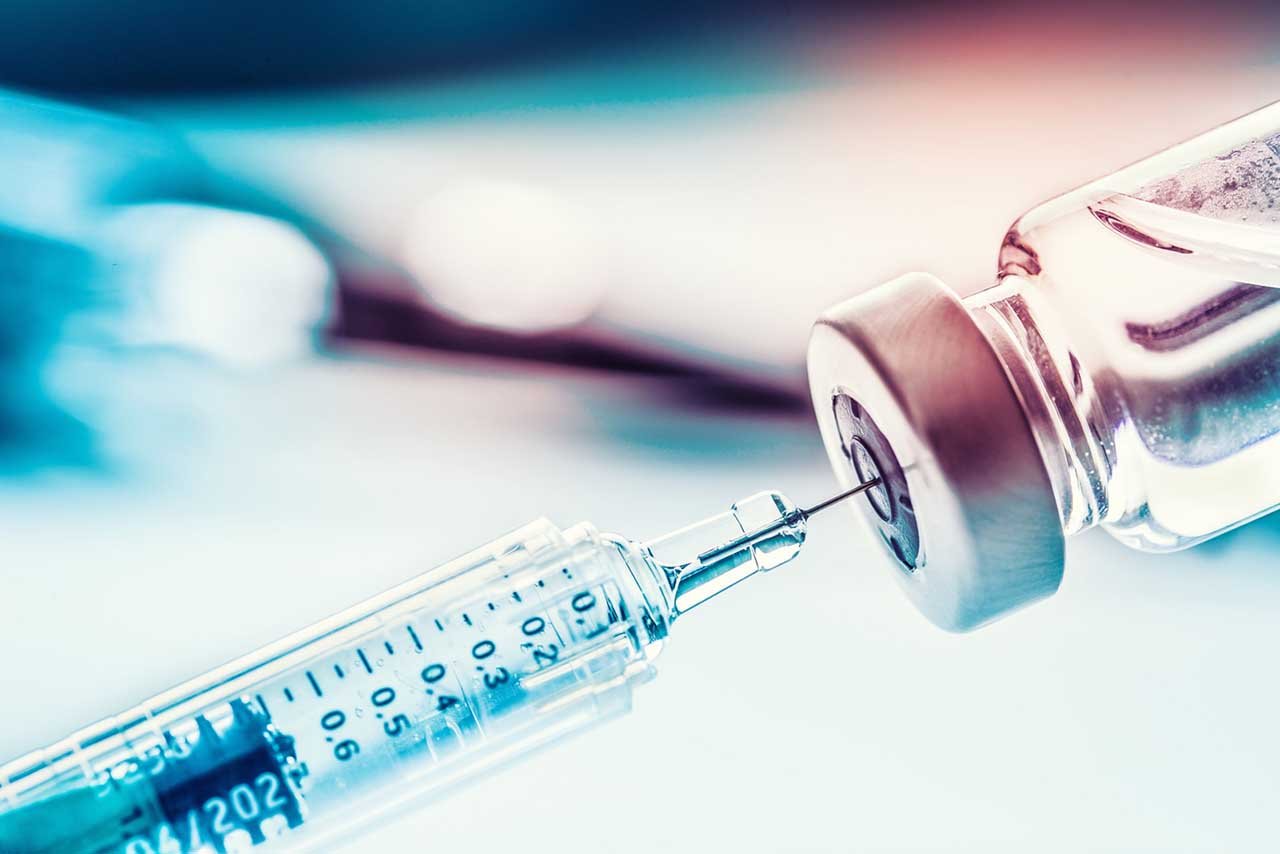
Recent Oregon Health Authority (OHA) data indicate that pertussis, also known as whooping cough, cases have reached an all-time high. The agency is now urging Oregonians, especially babies, to get vaccinated to protect against this serious illness.
Oregon’s Pertussis Surge And Vaccine Push
Pertussis has spiked across the US. Oregon recorded 1,252 pertussis cases by the end of last year after the current outbreak began in spring 2024. OHA reported yesterday that a record-high 1,475 pertussis cases broke the state’s all-time annual record of 1,420 from 1950.
Sources: Oregon Health Authority pertussis updates and Pregnancy Immunization Data dashboard / CDC pertussis surveillance summaries
Dailytidings.com
Pertussis, commonly known as whooping cough, can cause severe disease in people of all ages, but babies are at highest risk of serious illness, hospitalization, and death from infection.
It is a bacterial infection that spreads easily through droplets when someone coughs or sneezes. Vaccination is the best way to prevent severe disease and hospitalization.
To help reduce the spread of pertussis, vaccination is the best shield. The pertussis vaccination is recommended for everyone from infants and children starting at 2 months through 4 to 6 years old, adolescents at age 11 or 12, and any adult who has not previously been vaccinated.
| Who | Vaccine | When / how often | Why it matters |
|---|---|---|---|
| Infants and young children | DTaP | Series at 2 / 4 / 6 months / 15-18 months / 4-6 years | Builds first protection in the age group with highest risk of severe disease |
| Adolescents | Tdap | Single dose at 11-12 years / catch up through 18 years | Boosts waning childhood immunity and cuts spread in schools |
| Adults | Tdap then Td or Tdap | One Tdap if never received / then Td or Tdap booster every 10 years | Reduces coughing illness and protects vulnerable contacts |
| Pregnant people | Tdap | One dose during each pregnancy / ideally weeks 27-36 | Passes antibodies to the baby before birth / best shield before first shots |
| Adults who are around newborns | Tdap | One dose if never received / at least 2 weeks before close contact with baby | Adds a ring of protection around infants who are too young to be fully vaccinated |
Because babies’ immune systems are too weak to protect against infection until they get vaccinated at 2 months old, the American Academy of Pediatrics recommends that every pregnant person receive a single dose of the Tdap vaccine during their third trimester (weeks 27-36) to protect their newborn against pertussis.
OHA urged people to ensure they and their families are up to date on vaccinations, especially pregnant women and people who spend time with babies. Spouses, partners, grandparents, and any other adults who are regularly in the baby’s life should also consider receiving a Tdap dose at least 2 weeks before the baby’s birth.
The medical director for communicable diseases and immunizations at OHA’s Public Health Division, Howard Chiou, M.D., Ph.D., noted the statewide decline in maternal Tdap vaccination rates and said:
“One of the most important things someone can do to protect their newborn is to get the Tdap vaccine during pregnancy.”
Low Maternal Tdap Rates Put Newborns At Risk
Yet new OHA Pregnancy Immunization Data shows that Oregon’s maternal pertussis vaccination rate is too low, especially in rural counties.
Sources: OHA Pregnancy Immunization Data dashboard / CDC and national pertussis coverage reports for pregnant people
Dailytidings.com
The maternal Tdap rate fell to 69% in 2024, down from 72% in 2020, with huge county variation.
This gap matters because pregnancy vaccination is the most direct shield for newborns before their first shots. Dr Chiou confirmed that this is a dangerous trend.
Visit the OHA pertussis page for more information about pertussis in Oregon.