
Oregon Places 30 Logs in Rock Creek to Restore Salmon Habitat in New Clatsop State Forest Project
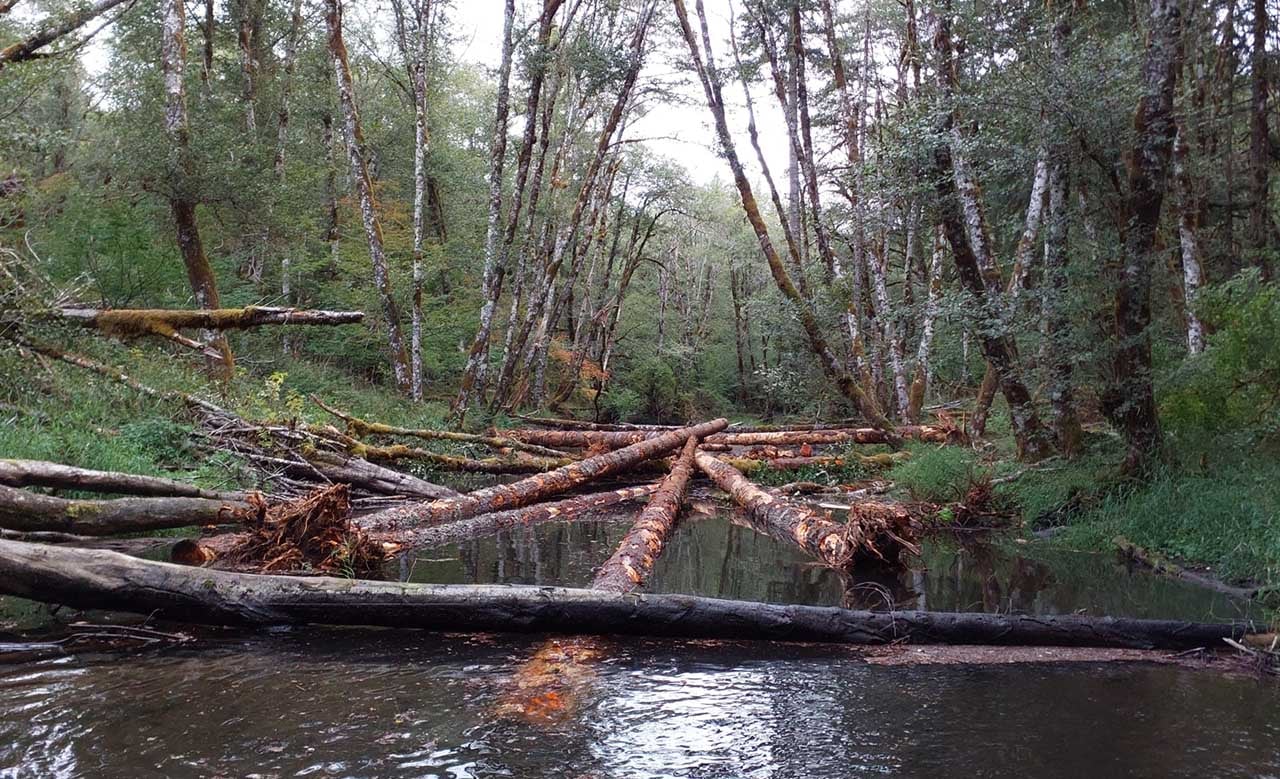
An Oregon Department of Forestry (ODF) stream enhancement project on Rock Creek in the Clatsop State Forest that included new wood to help influence the formation of pools, spawning gravels, and provide cover for aquatic species, ultimately to improve stream habitat and water quality, was recently completed.
Clatsop State Forest Stream Enhancement Project Set To Restore Natural Stream Processes
The goal of ODF’s Clatsop State Forest stream enhancement project was to restore natural stream processes and instream complexity on Rock Creek by placing large wood into the stream channel to improve spawning and rearing habitat, fish production, and water quality.
Research from Oregon restoration sites shows what large-wood projects like this typically achieve.
Source: Jones et al. (2014) — 91 Oregon restoration sites · Dailytidings.com
The overarching goal is to enhance Oregon’s state forests for all its residents.
Rock Creek is a tributary of the Nehalem River in Clatsop County. It is home to several anadromous fish species (fish that live in saltwater but migrate to freshwater to spawn), including Endangered Species Act-listed Coho salmon, fall Chinook, winter steelhead, and Pacific lamprey. Cutthroat trout and other native fish species are also found in Rock Creek.
Broad studies of wood placement show how added structure shapes salmon and trout recovery.
Source: Roni et al. meta-analyses · Dailytidings.com
Large-wood placement slows water, deepens pools, and traps gravel—quickly improving habitat for salmon and trout.
ODF partnered with the Oregon Department of Fish and Wildlife (ODFW), private landowners and operators, and, in many cases, non-profit groups like local watershed councils.
The project cost around $5,000, excluding staff time spent planning and implementing the plan. Thirty trees were used across five sites, enhancing approximately 1,000 feet of stream.
Erik Moberly, Aquatic and Riparian Specialist for ODF’s State Forest Division, confirmed that:
“The trees, some with root wads attached, that were placed will help influence the formation of pools, spawning gravels, and provide cover for aquatic species.”
Moberly also confirmed that these projects positively impact forest management plans for actively managed state forest lands: economic, environmental, and social benefits to Oregonians.
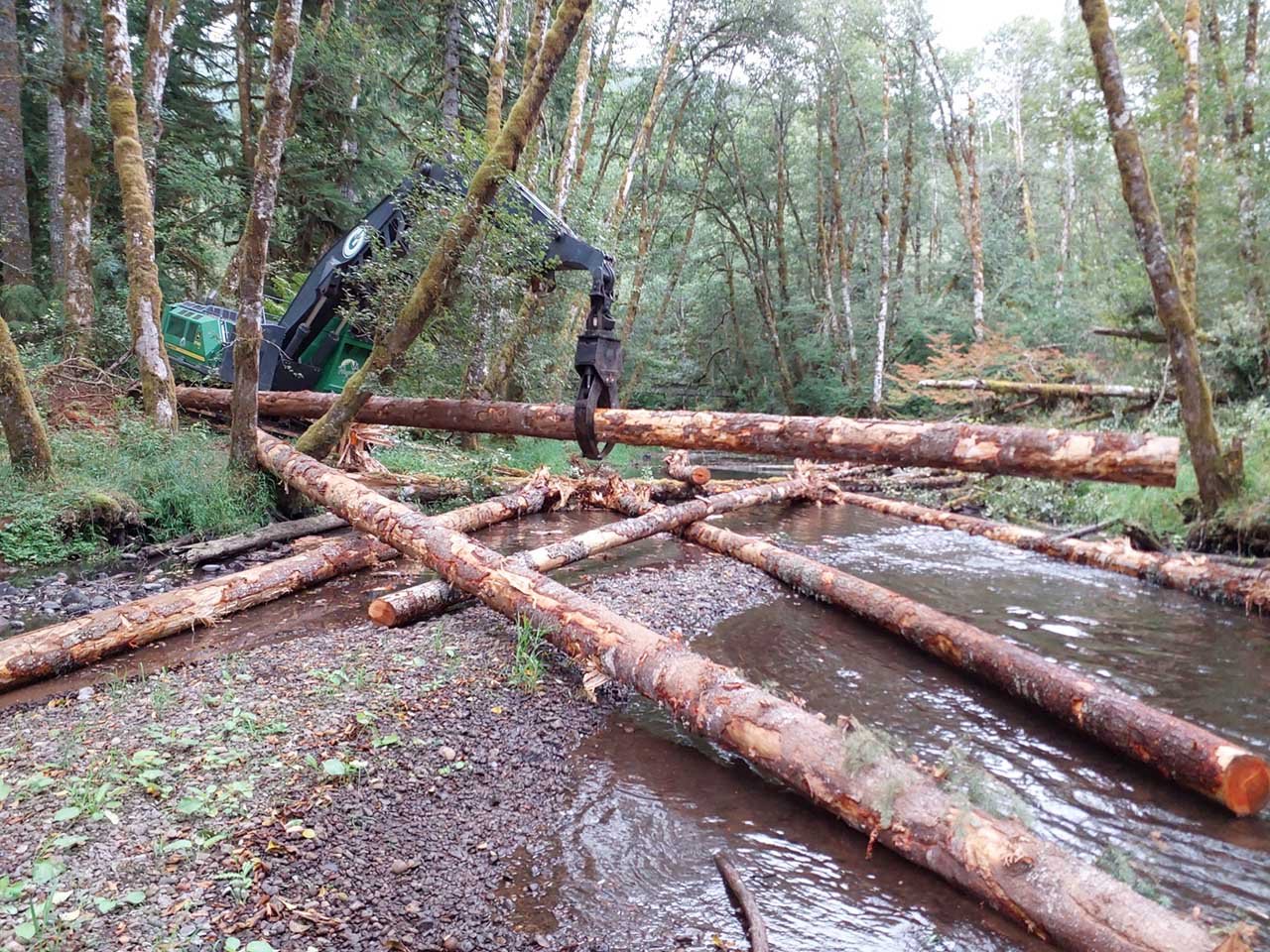
Mike Morton, a road specialist from the Forest Grove District, administered the contract. Selected trees, based on size and stream characteristics, came from an adjacent timber sale to keep costs down. The trees were staged near the placement sites.
The placements were initially planned to be implemented using a cable yarder, but Stimson Lumber agreed to provide access to its road network, enabling more precise placement of the logs. A Bighorn Logging excavator was used to move the trees into the stream.