
Oregon May Withhold Payments to the Federal Government After Trump Threatens to Cut Off Funds to Sanctuary States
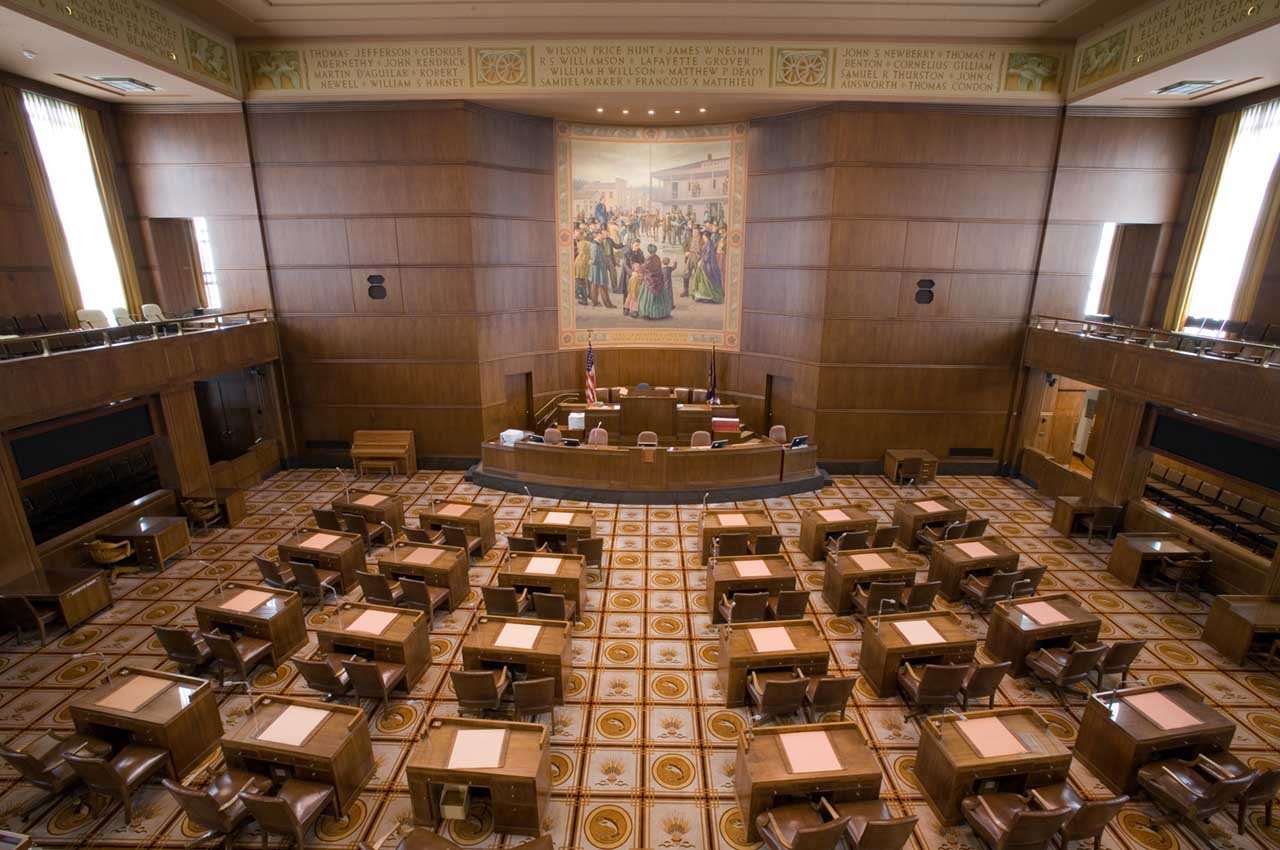
A Democratic Oregon lawmaker has proposed a bill, dubbed the “Recourse Act,” that seeks to allow the state to withhold certain payments it owes the federal government when the federal government unlawfully withholds payments owed to Oregon.
Oregon Proposes ‘Recourse Act’ Over Stalled Federal Funding
Since January, President Donald Trump has been threatening to pull federal funding from sanctuary jurisdictions, including Portland and Oregon, unless they comply with federal immigration enforcement efforts.
The administration said payments to sanctuary cities or states will stop beginning February 1.
The move is part of a broader crackdown on policies the Trump Administration claims “protect criminals” by limiting cooperation with federal immigration authorities.
On January 20, President Trump said:
“We’re not going to pay sanctuary cities anymore as of the beginning of the month. We’re not going to pay them anymore. They are a sanctuary for criminals.”
Oregon’s most recent budget shows the state anticipates about $44 billion in federal funds to cover state costs over the 2025–27 biennium, or roughly $22 billion a year.
Source: Oregon Legislative Fiscal Office / 2025 to 27 Legislatively Adopted Budget summary (all funds breakdown)
Dailytidings.com
In Portland, Oregon’s biggest city, federal grants make up 4% of the city’s $8 billion budget, and roughly $350 million in federal grants support local programs.
Rep. Willy Chotzen (D-Portland), the bill’s sponsor, confirmed that the ‘Recourse Act’ bill applies only if a federal court has ordered the president to send funding to Oregon, which has been refused.
The bill, to be introduced on February 2, allows the governor to direct state agencies to withhold payments to the federal government if funds are not released as required by a court order, requiring approval from both the Attorney General and the State Treasurer.
Source: Washington Legislature / SB 6218 bill text (payment examples list)
Dailytidings.com
The bill does not detail specific programs or funding amounts, leaving those decisions for future review if passed. Payments withheld would go into a new Federal Money Holding Account in the State Treasury, separate from the General Fund. Funds would be continuously appropriated for movement without further legislative action.
Blue States Respond To Trump Holding Back Federal Funds
Oregon’s ‘Recourse Act’ bill is part of a broader blue-state playbook taking shape, as Democratic-led states float retaliation-style recourse proposals to counter ongoing federal funding threats.
| State | Bill | Trigger | Who can order withholding | Where withheld money sits |
|---|---|---|---|---|
| Oregon | “Recourse Act” (proposed) | Federal court order for payment is refused | Governor with Attorney General + State Treasurer approval | Federal Money Holding Account (State Treasury) |
| Washington | SB 6218 | Funding withheld due to valid state law or in contravention of a court decision | OFM Director in consultation with State Treasurer | RECOURSE act escrow account (for certain cases) |
| New York | S6915 | Federal nonpayment in contravention of a court decision | Governor + Comptroller + Budget Director acting jointly and unanimously | Held funds available for appropriation as state funds |
In Washington State, a new bill, SB 6218 – 2025-26, proposes withholding of state payments to the federal government if federal funding is withheld, in line with valid Washington state law, including the Ways & Means Act.
New York’s Senate Bill S6915, introduced in the 2025-2026 Legislative Session, similarly establishes the ‘Reciprocal Enforcement of Claims on Unpaid or Reduced State Entitlements Act.’
The bill seeks to establish a mechanism by which the State may withhold payments to the Federal government if the Federal government, in contravention of a court decision, fails to pay funds owed to the State of New York. The bill is currently in the Senate Committee on Finance.