
Oregon Losing Millions in Tax Revenue as Fewer Washington Workers Commute to Portland’s Weakening Job Market
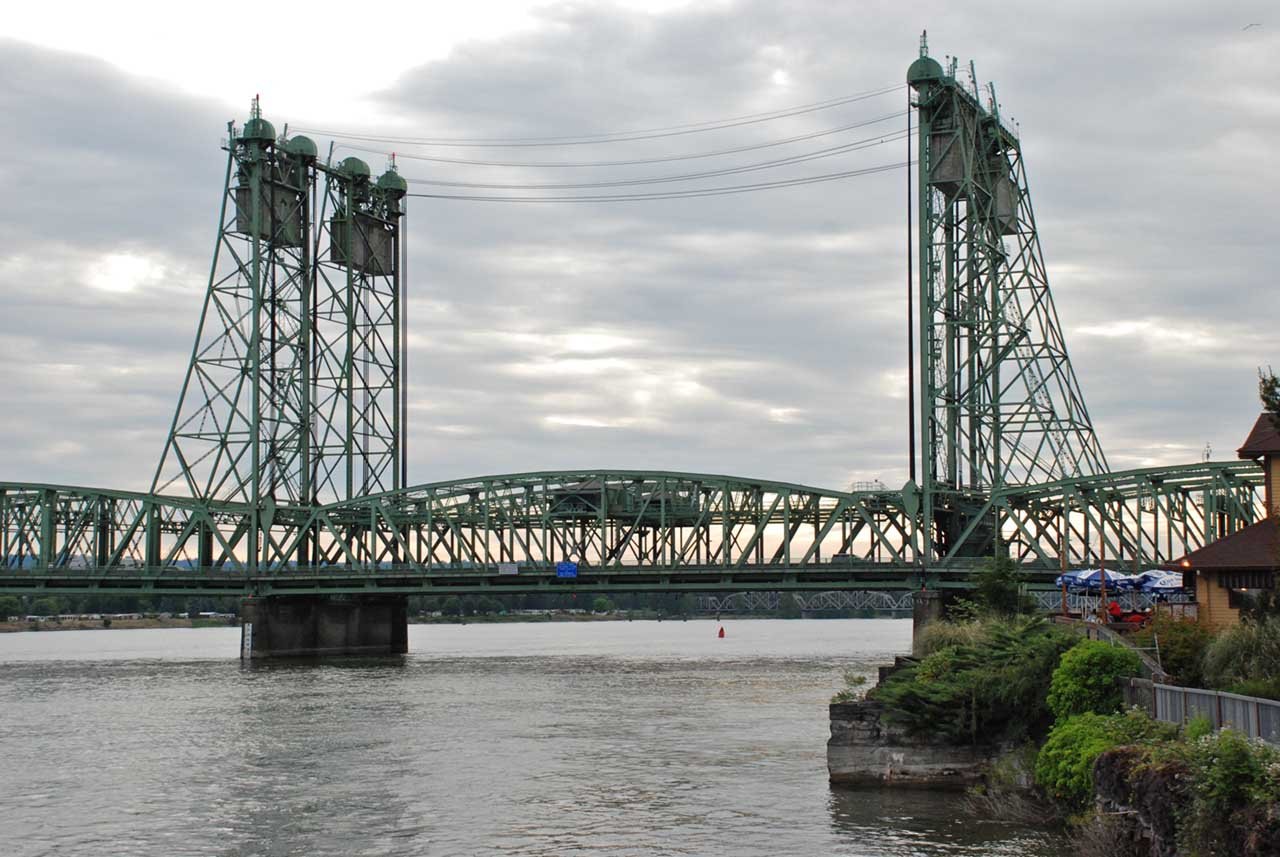
As the allure of the Portland job market continues to fade, Oregon is losing tax revenue paid by neighboring Washington state’s Clark County residents who cross the Columbia River daily in their work commute.
Washington State Residents Pay Oregon More Than $250 Million in Income Tax
Oregon collects in excess of $250 million from Clark County residents who pay more income tax to the Beaver State than the combined residents of 31 of Oregon’s 36 counties.
The number of Clark County commuters has dwindled by 8% since 2019, and by 2023, dropped from 79,000 to 72,000.
Source: Oregon Department of Revenue personal income tax statistics for tax years 2019 and 2023
Dailytidings.com
The reason for the reduced influx of out-of-state workers is attributed to remote work and job location by Chris Allanbach, the head of the state’s Legislative Revenue Office.
His reasoning is reinforced by the fact that Oregon is the second-highest state employing the most remote workers, a scenario that has grown exponentially since the COVID pandemic.
Portland Has Never Fully Recovered From the Impacts of the Pandemic
As the number of Clark County workers shrinks, so does Portland’s deteriorating job market. The city has one of the slowest job market growths in the nation, and has never fully recovered from the pandemic.
However, while fewer people may be crossing the Columbia River, those who do earn more. According to data, Clark County residents earned $3.8 billion in 2023, an average of $53,000 each. That figure is substantially more than the 2019 earnings of $49,000 per person.
While Oregon is losing a quiet stream of outside tax revenue as Portland becomes less attractive for commuters from Clark County, the decline is not too substantial. Clark County residents contribute only 2% of the state’s income taxes.
The Irony is a Reversal of Fortunes for Oregon
The irony is that Oregon now finds that instead of workers crossing the Columbia River to work in Portland, Beaver State residents are crossing the river to work in Clark County.
| Measure | Figure | Why it matters |
|---|---|---|
| Portland region jobs in 2025 | Down 8,800 | The region ranked fourth worst nationally for job change last year |
| Clark County jobs / 2015 to 2025 | Up 39,000 / 26% | That is the regional growth story pulling jobs north of the river |
| Clark County employment vs 2020 | 114% of 2020 level | Clark County has moved beyond its pre pandemic baseline |
| Portland multifamily pipeline / 2025 | 656 units | Lowest since 2011, signaling weaker future growth capacity |
| Regional multifamily permit share | Clark County 57% / Portland 29% | Development momentum has shifted across the river too |
Clark County has experienced a recent significant job boom resulting from rapid population growth, which has transformed it from a Portland “bedroom community” into a regional business hub.
Its added attraction is the unique tax advantages on offer. There is no personal or corporate tax payable in Washington, resulting in the addition of 39,000 jobs between 2015 and 2025, representing a 26% increase.
In contrast, Portland continues to lose its share of the job market, with 8,800 posts lost in 2025, ranking the city as the 4th worst nationwide.
The decline is driven by high local taxes, safety concerns, and high housing costs.