
Oregon Lawmakers Propose Adding 1,700 Acres for Industrial Expansion in an Agricultural Area Northwest of Hillsboro
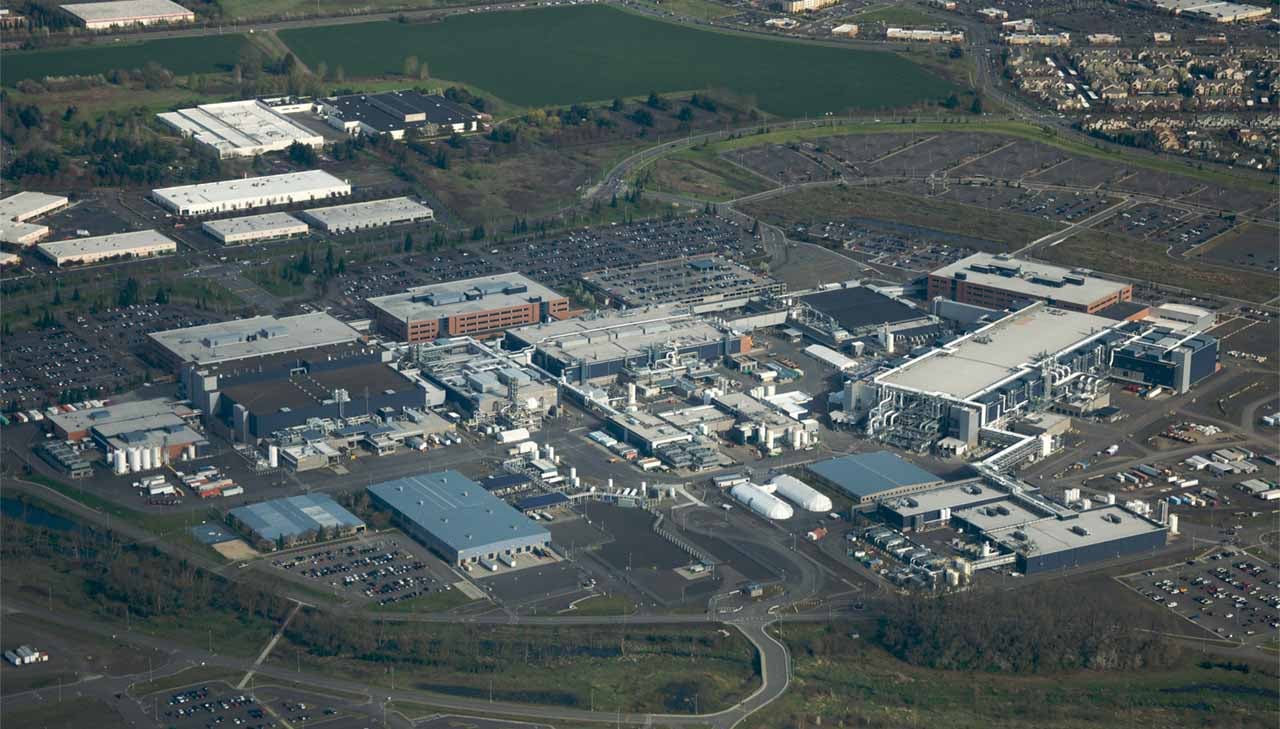
An Oregon Senate bill proposes adding 1,700 acres of industrial land, excluding additional data centers, to a predominantly agricultural area northwest of Hillsboro.
This highly contentious proposal is likely to attract fierce opposition from farmers and environmentalists who have in the past raised their voices against the intrusion of industry in predominantly agricultural areas.
The Bill Aims to Attract Large Corporate Employers to Oregon
Senate Bill 1586 is championed by Sen. Janeen Sollman, who states that the bill’s goal is to attract large corporate employers, such as Intel, to the region, rather than providing additional land for the establishment of more data centers.
Here is what SB 1586 actually does on paper.
| Topic | What it does | Primary source |
|---|---|---|
| Land use | Adds rural reserves in Washington County to Metro for high technology and advanced manufacturing use | SB 1586 introduced summary |
| Semiconductor R&D credit | Modifies the tax credit allowed for semiconductor research | SB 1586 introduced summary |
| Incentive programs | Creates and amends tax break programs tied to advanced manufacturing, enterprise zones, and regionally significant industrial sites | SB 1586 introduced summary |
| Permitting timelines | Directs certain agencies to publish permit processing deadlines and a permit catalog within 60 days of the effective date | SB 1586 introduced summary |
| Political support | Introduced with 36 listed sponsors across both chambers | SB 1586 introduced cover page |
| Local acreage context | Hillsboro has referenced a potential 1,700 acres adjacent to Hillsboro made eligible for UGB expansion under SB 4, with 373 acres described as a subset | City of Hillsboro news post |
Not only do data centers consume huge amounts of electricity, placing the grid under extreme pressure and forcing tariff increases to cover the cost of continual upgrades to infrastructure, but they have also absorbed hundreds of acres of industrial land within the existing city limits of Hillsboro.
The state introduced tax concessions to attract giants like Meta and LinkedIn to establish data centers in Oregon, and the bill proposed by Sen. Sollman could have doubled those incentives.
Not only does SB 1586 propose to add 1,700 acres of Industrial land near Hillsboro, it also wants to expand research tax credits. Tax breaks will save more than $450 million in property taxes this year through local government exemptions.
Conservationists Will Oppose the Allocation of Land for Industrial Expansion
Land-use rights have long been a contentious issue, and the proposed allocation of 1,700 acres for industrial use is expected to face strong opposition from a coalition of land conservationists.
If the conservationists are successful, several local governments that support an expanded industrial zone will be left disappointed. They regard industrial expansion within city limits as an attractive draw card for generating additional tax and utility income streams and creating more job opportunities for Oregonians.
SB 1586 Has the Bipartisan Support of More Than 35 Co-Sponsors
However, Sen. Sollman is confident that SB 1586 will be passed by Oregon lawmakers during the current legislative short session as it has the bipartisan support of more than 35 co-sponsors.
Opponents Fear that Residential Consumers Will Have to Foot the Bill
Oregon data centers are projected to consume 20-25% of the state’s electricity by 2030, with current usage already at 11-15% and rising, forcing utilities to plan massive grid upgrades and creating long-term electricity rate increases for all customers.
Source: EPRI Powering Intelligence (May 2024) Figure A11, Oregon Dept of Energy Oregon Energy Strategy key findings (Nov 2025)
Dailytidings.com
Data expansion is inevitable, and it is predicted that they will be responsible for 20% of total grid consumption by 2030.
Consumer advocates and regulators warn that residential consumers may have to foot the cost of more lines and substations to serve energy-hungry data centers. Already, PGE residential consumers have been subjected to rate increases of up to 50% in recent years.