
Oregon Job Forecast Shows 6 Percent Growth by 2034 Even as Employers Struggle With Ongoing Workforce Gaps
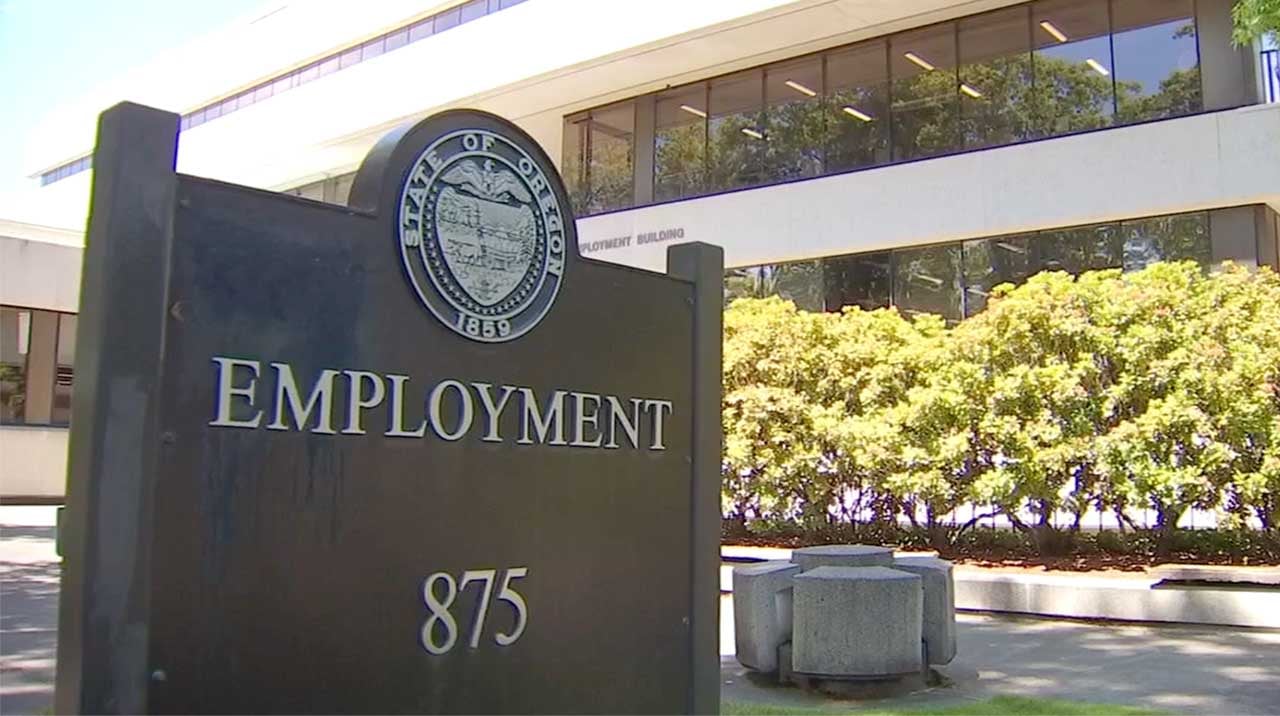
A recent report from the Oregon Employment Department (OED) projects that the state’s total jobs will increase by 6% by 2034. Still, job growth across sectors will not be equal.
Oregon Job Market Growth Forecasted
According to the OED, in addition to the 2.2 million jobs in Oregon in 2024, 141,000 new jobs will be created between 2024 and 2034, reflecting modest economic growth.
Source: Oregon Employment Department projections via QualityInfo, released Dec 18 2025
Dailytidings.com
In addition, jobs in the state are opening on an ongoing basis as workers leave their occupations.
2.4 million job openings will be created by 2034 to replace workers who retire, leave the labor force for other reasons, or make a significant occupational change, creating many opportunities for job seekers.
The projected 6% increase in employment between 2024 and 2034 includes:
- Private-sector gains: 125,500 jobs
- Government,: 7,700 jobs
- Self-employment: 7,400 self-employed Oregonians.
By 2034, the number of job openings due to job growth and replacements is expected to total nearly 2.6 million.
The projected growth rate across broad sectors by 2034 is as follows:
- Federal government: Projected to decline by 3% (-1,000 jobs) (lowest)
- Private health care and social assistance sector: Growth of 13%
- Construction and professional and business services sectors: 10% growth, specifically the construction of buildings and specialty trade contractors will each add +11%, including businesses that offer construction-related services such as site preparation, plumbing, painting, and electrical work.
- Professional and technical services: +15%, including:
- Architectural and engineering services +23%
- Computer systems design and related services: +10%
- Legal services: -3%
Source: Oregon Employment Department projections via QualityInfo, released Dec 18 2025
Dailytidings.com
Private health care and social assistance combined are expected to add the most jobs over the next 10 years (+40,400).
This is attributed to the state’s aging population, longer life expectancies, and an expected rebound in the state’s long-term population growth.
| Sector | Projected 2034 jobs | Most recent peak jobs | Peak year |
|---|---|---|---|
| Manufacturing | 189,100 | 207,300 | 2006 |
| Financial activities | 101,900 | 106,600 | 2006 |
| Retail trade | 204,500 | 211,400 | 2018 |
Oregon’s Current Work Shortages
While Oregon’s jobs are forecast to grow, and job-seekers in some of the state’s key industries, especially healthcare, manufacturing, and childcare industries, are likely to find jobs waiting for them, the availability differs across sectors.
But there are shortages in businesses, community organizations, higher education institutions, and state agencies.
A recent Higher Education Coordinating Commission report indicated that the state continues to experience significant workforce shortages but struggles to capitalize on workforce opportunities in industries and occupations critical to equitable prosperity for all Oregonians.
The Commission expressed concern that workforce-related priorities, programs, and other statewide initiatives are not always well-aligned, creating a fragmented, inequitable, and difficult-to-navigate workforce system.
The Commission suggested integrating proven best practices from Future Ready Oregon programs and aligning with Future Ready as a solution. Shared goals and strategies that could close the gaps in educational attainment and employment include:
- Centering underserved Oregonians
- Flexible state investments
- Education and training support
- Strategic community partnerships